 EN
EN

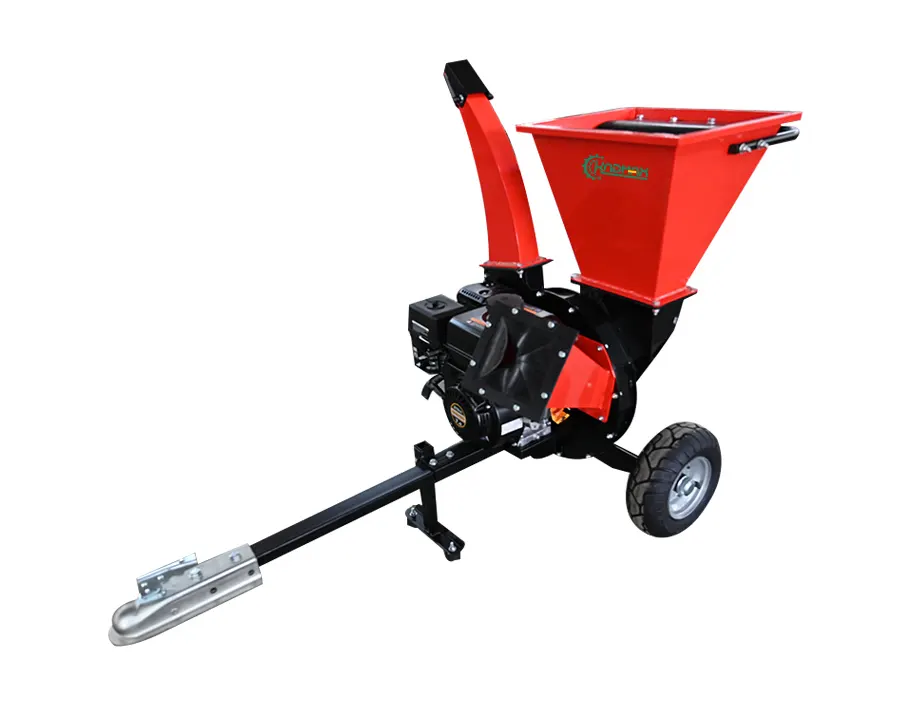
How Blade Geometry Affects Cutting Performance in Small Wood Chippers
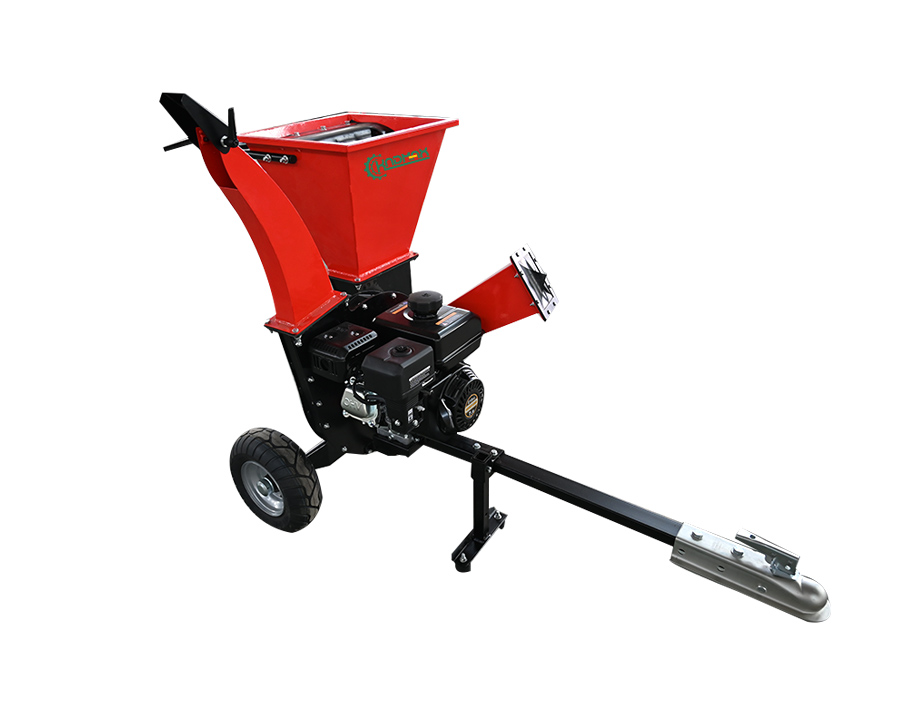
Shear vs. Impact Cutting: Why Bevel Angle and Mounting Design Dictate Chip Uniformity and Feed Rate
The shape of the blade makes all the difference when it comes to how a small wood chipper works its magic, either through shear cutting or impact cutting. These are really two separate approaches that deliver completely different results. Shear cutting blades typically have those 25 to 30 degree bevel angles and sit firmly in place without much movement. They slice right through fresh green branches that are still taut, creating those neat, even chips we all want. On the flip side, impact blades come with much steeper angles around 40 to 45 degrees and they're mounted with springs so they can bounce back after each hit. This setup lets them smash through dry or frozen wood instead of just cutting, which means they can process more material faster but the chips won't be as uniform in size.
A study from the Manufacturing Engineering Journal back in 2023 showed something interesting about cutting angles. When the bevel angle drops below 30 degrees, it actually cuts down on feed resistance by around 22%. This makes a big difference when working with soft woods such as pine, where processing speeds pick up noticeably. On the flip side, steeper angles hold up much better against the rough treatment hardwoods give them, especially those tricky knots that can really mess things up. Getting consistent chips and keeping materials flowing smoothly matters a lot for regular home projects or small business operations. That's why many operators pair shear geometry techniques with those special low friction mounts. These setups help prevent annoying jams and can handle pretty impressive volumes too, pushing through about 3.5 tons of dry pine per hour without breaking a sweat.
Dual-Bevel Reversible Blades vs. Single-Bevel Fixed Blades: Real-World Performance on Hardwood Branches
For dense hardwood branches around or below 8 cm thick like oak and hickory, dual bevel reversible blades really stand out compared to those single bevel fixed ones. The design has this balanced shape that spreads out the wear across all four cutting edges, which basically means twice as much use before needing replacement. Looking at actual field results, when operators flip those worn edges on the dual bevel blades, productivity only takes a 15% hit. But with regular single bevel blades doing the same work, we see productivity drop by about 40% instead. That makes a big difference in real world operations.
Single bevel blades definitely cut better at first in wet wood since all the force goes into one direction. But when dealing with mixed hardwoods, dual bevel blades actually produce chips that are 23 percent more consistent. And these dual bevel options last way longer too. Most homeowners find they need to replace their blades around 70 percent less often than with single bevels. That's a big deal for anyone who doesn't want to keep buying new blades every few months. Single bevels do have their place though. When working with frozen wood, they need about 37 percent less torque to get through, which makes sense if someone is stuck cutting ice encrusted branches. Still, they just aren't as adaptable across different situations compared to the dual bevel alternatives.
Optimal Blade Materials for Small Wood Chippers: Balancing Hardness, Toughness, and Wear Resistance
D2, DC53, A6, and A8 Tool Steels Compared: Carbide Distribution, Edge Retention, and Fracture Resistance in Mixed-Feed Conditions
What kind of material goes into making blades makes all the difference for how well small wood chippers perform over time. D2 tool steel stands out because it resists wearing down so much better than other options. This comes from having around 12% chromium in there plus those tiny carbides spread throughout the metal, which helps keep the cutting edge sharp even after lots of grinding work. But here's the catch: while D2 holds up great against abrasion, it doesn't take impacts very well at all. Run into a big knot or something stuck in the wood and these blades tend to crack right where they shouldn't. Many operators have learned this the hard way on job sites across the country.
The DC53 steel takes what works from D2 but adds something better too. Its carbide structure has been refined so it can handle impacts about 30% better without sacrificing the hardness we want around 60 to 62 on the Rockwell scale, plus keeps holding an edge just fine. When looking at A6 steel, there's actually a pretty good middle ground here. The amount of vanadium isn't too much or too little, which helps prevent cracks when things get rough during those unexpected feed changes that happen all the time when working with different materials together. Then there's A8 steel with its higher molybdenum content somewhere between 5% and 7%. This makes it stand up much better against rust related wear, something that matters a lot for tools used near water sources or down by the coast where moisture is always hanging around.
Cutting Efficiency Across Wood Types and Moisture Levels in Small Wood Chippers
Throughput Variability: Why Wet Oak Reduces Output by 37% vs. Dry Pine — and How Blade Selection Mitigates It
When it comes to small wood chippers, wood density and how much moisture is in the material really make a big difference in how much gets processed. Tests show that when machines try to handle wet oak instead of dry pine with everything else kept the same, output drops about 37%. There are actually two main reasons for this problem. First off, oak just plain takes around 40% more force to cut through compared to those softer woods. And then there's the water content issue too. When wood is too moist, it basically becomes slippery for the blades. This causes them to slip rather than cut cleanly through the material, leading to chunks that don't break apart properly but instead get pushed around without being fully processed.
Strategic blade selection directly counteracts these losses:
- Low-friction coatings, such as titanium nitride or tungsten carbide overlays, minimize gumming and adhesion in high-moisture woods.
- Aggressive hook angles improve bite and material engagement on dense hardwoods.
- Micro-bevel edges preserve precision across fluctuating moisture levels—maintaining sharpness without excessive brittleness.
Blades with 25°–30° primary bevel angles consistently deliver optimal chip uniformity across variable conditions, supporting stable throughput even in mixed loads of hardwood branches and coniferous debris. Matching blade geometry to seasonal wood variations ensures predictable, low-downtime operation year-round.
Extending Service Life: Wear Resistance Strategies for Small Wood Chipper Blades
Getting blades to last longer really comes down to picking the right materials and sticking to good maintenance habits beyond just regular sharpening. When blades stay sharp, they cut better and don't wear out as fast because dull edges put extra strain on machines. Take tungsten carbide coatings for instance these have been shown to cut down on wear and tear by around 40% when compared to regular surfaces, as reported in the Industrial Processing Journal last year. This kind of protection makes all the difference in extending blade life across various industrial applications.
Effective wear resistance begins with routine care:
- Clean blades thoroughly after each use to remove sap, resin, and wood fibers that promote corrosion and heat buildup.
- Apply corrosion-inhibiting lubricants to pivot points and mounting hardware—not just the cutting edge—to mitigate friction-induced wear.
- Rotate reversible blades before single-edge wear becomes excessive; this preserves geometry and delays sharpening cycles.
Hardening techniques for surfaces such as cryogenic treatment and induction hardening significantly improve resistance to damage caused by impacts with hardwood materials and random debris that might come into contact with blades during operation. Contractors who apply these methods regularly find they need to replace their cutting tools about twice as seldom compared to those using standard equipment. This means fewer interruptions in work schedules and ultimately saves money over time. For this reason, many professionals in the field now consider surface hardening not just beneficial but practically necessary, while even dedicated DIY enthusiasts are starting to recognize its value when investing in quality cutting instruments for home projects.
FAQ Section
What is the difference between shear and impact cutting?
Shear cutting utilizes blades with 25 to 30-degree bevel angles designed to slice through fresh green branches, providing uniform chip sizes. Impact cutting uses blades with 40 to 45-degree angles that are mounted with springs for flexibility, best suited for dry or frozen wood but resulting in less uniform chips.
Which blade type is better for hardwood branches?
Dual-bevel reversible blades are preferable for hardwood branches as they offer balanced wear across all edges, resulting in extended lifespan and consistent chip sizes compared to single-bevel blades.
What materials are recommended for wood chipper blades?
DC53 and A6 tool steels are highly recommended for small wood chippers due to their balance of hardness, wear resistance, and fracture resilience, making them suitable for mixed-feed conditions.
How can I maintain my wood chipper blades?
Regular cleaning to remove residue and application of corrosion-inhibiting lubricants help maintain blades. Additionally, rotating reversible blades and using hardening techniques significantly extend blade life.
How does moisture in wood affect chipper performance?
High moisture content in wood reduces cutting efficiency by making the material slippery, causing blades to slip instead of cutting effectively. Proper blade selection can mitigate this issue and maintain throughput.
Table of Contents
- How Blade Geometry Affects Cutting Performance in Small Wood Chippers
- Optimal Blade Materials for Small Wood Chippers: Balancing Hardness, Toughness, and Wear Resistance
- Cutting Efficiency Across Wood Types and Moisture Levels in Small Wood Chippers
- Extending Service Life: Wear Resistance Strategies for Small Wood Chipper Blades
- FAQ Section