 EN
EN

Core Functional Differences: How Small Wood Chippers and Wood Shredders Process Material
Cutting Mechanism: Rotating Knives vs. Flail Hammers or Beater Bars
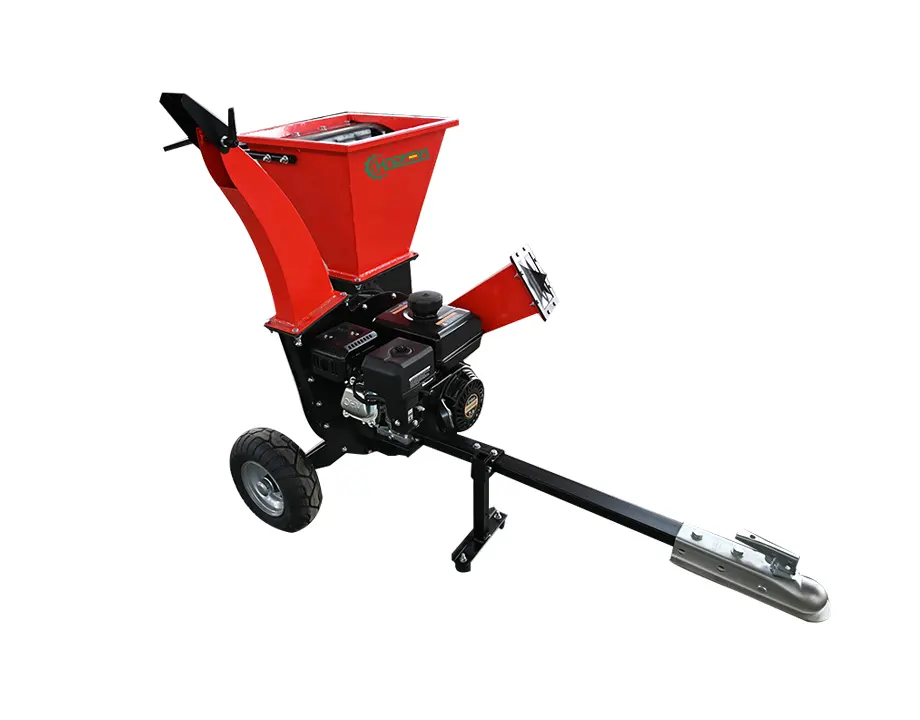
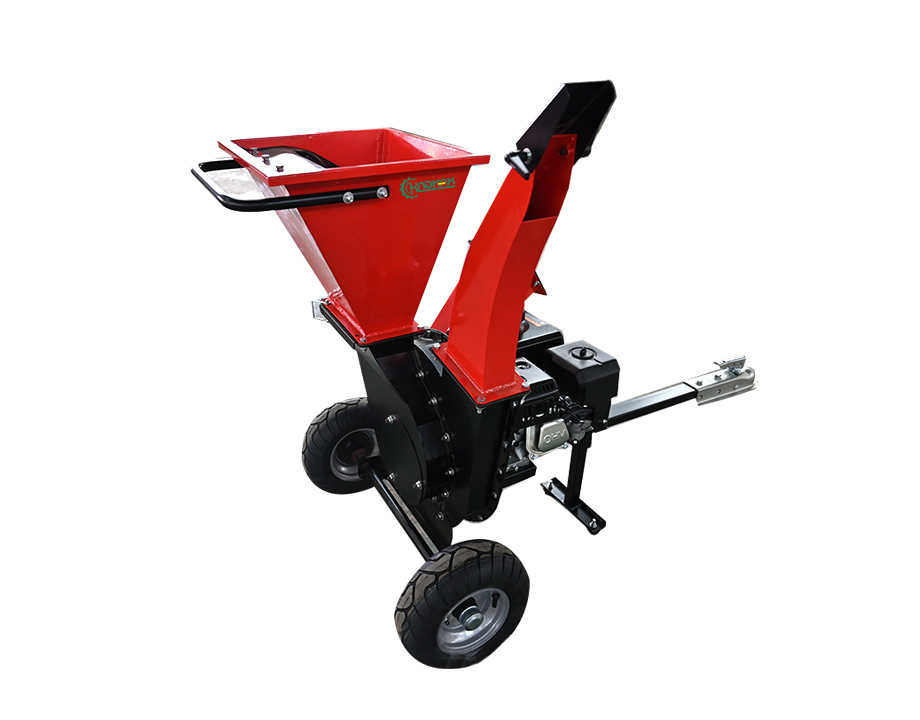
Small wood chippers have those tough spinning blades attached to a flywheel that cut branches into neat little chips. Think of it as precise slicing for clean timber processing results every time. Wood shredders work differently though. They use those hammer-like flails or beaters that basically smash stuff apart instead of cutting it. These machines are great for turning leaves, old vines, and rotten wood into mulch. The way these machines operate makes all the difference. Chippers focus on controlled cutting actions while shredders go for raw power to break things down. Because of this basic difference, what comes out looks completely different too. Chips from a chipper decompose faster and work better for certain projects compared to the coarser material produced by shredders.
Input Compatibility: Branch Diameter Limits vs. Soft Organic Volume Handling
Most small wood chippers can handle branches about 3 inches thick or smaller. They work by having the blades actually touch the wood as it goes through, and they come with a narrow feed opening that's really good at handling tough hardwoods and those dense pine branches. Shredders are different though. These machines have big open mouths that let all sorts of soft stuff go in - think brush piles from the yard, leftover hedge trimmings after pruning, even soggy leaves after rain. But here's the catch: shredders just don't have the power or right shape to tackle thicker, sturdier pieces of wood very well. Homeowners should know this when choosing equipment. If dealing mostly with tree branches and woody material, a chipper makes more sense. Shredders are what people want when they need to break down leaves, grass clippings, or that mix of plant matter that accumulates in gardens over time.
Output Quality and Application Fit: Chips, Shreds, and Mulch Readiness
Chip Uniformity, Size Control, and Landscape Mulching Suitability
Wood chippers on the smaller side create pretty consistent chips thanks to their precise cutting mechanisms, usually hitting around 90% size consistency give or take about 2 inches. This kind of uniformity means the chips break down slowly and evenly, which helps with water getting into the soil, keeps roots insulated, and lets air circulate better all important benefits when it comes to making good landscape mulch. Most models come with adjustable screens at the discharge end so folks can tweak the chip sizes depending on what they need them for finer stuff works great in flower beds while bigger chunks are better suited for walkways and paths. Because these chips have a structured shape rather than being all jagged, they don't tend to mat together as much, allowing air to keep moving through them and ultimately helping plants stay healthy over time.
Shred Consistency, Surface Area Impact, and Composting Efficiency
When wood goes through a shredder, it comes out as all sorts of uneven, fibrous bits with those rough, frayed edges. The surface area ends up being over three times what we get from regular chips. This bigger surface area really speeds things up for microbes getting established and oxygen moving around in compost heaps. Decomposition can pick up pace quite a bit, maybe even close to 40% faster in some cases. Sure, the different sized pieces might need some sorting if someone wants top quality mulch, but there's something special about that fibrous stuff. It works great at holding together in worm compost setups and actually holds soil in place on hillsides because the bits lock together like puzzle pieces.
Residential Use-Case Alignment: Matching the Tool to Your Yard Waste Profile
The choice between getting a small wood chipper versus a shredder really comes down to what kind of stuff fills up your yard most often and how frequently you need to deal with it. When dealing with lots of woody debris like branches smaller than three inches diameter or those bits left after pruning trees during spring cleanup, a good quality chipper turns all that into nice clean mulch much quicker than other options. On the flip side, if there's mostly leaves, grass clippings from bushes, or just general garden waste around, then a shredder works wonders breaking down these softer materials into something useful for composting purposes. How often people actually use their equipment matters quite a bit too. Most folks find compact models work best when they're tidying up regularly throughout the season, whereas bigger chippers tend to be worth investing in for those rare occasions when massive amounts of branches pile up after storms or major tree trimming projects happen. Getting this right about whether someone deals mainly with hard woods or softer plant matter makes a huge difference not just in how effective waste management becomes, but saves money over time since less needs to be hauled away from the property itself.
Practical Selection Criteria for Small Wood Chipper and Shredder Buyers
Portability, Noise Levels, and Storage Requirements in Compact Models
Residential users should prioritize ease of movement and space efficiency. Compact models under 100 pounds with integrated wheels simplify transport across lawns, driveways, and uneven terrain. Electric units operate at 70–85 decibels—significantly quieter than gas-powered alternatives (95–110 dB)—helping comply with local noise ordinances and minimizing neighborhood disruption. For storage-limited spaces:
- Foldable handles reduce garage footprint by up to 40%
- Vertical configurations occupy less than 4 square feet
- Weather-resistant covers prevent corrosion during off-season storage
When planning workspace logistics, weigh electric models’ cord-length constraints against gas units’ fuel storage and ventilation requirements.
Safety, Maintenance, and Long-Term Value for Homeowners
Critical safety features—especially automatic hopper-jam shutoff systems—greatly reduce injury risk, addressing a leading cause of yard equipment incidents (Consumer Product Safety Commission, 2024). Maintenance burden strongly influences total cost of ownership:
Frequently Asked Questions
What is the main difference between a wood chipper and a wood shredder?
Wood chippers cut material into uniform chips, while wood shredders break down material using flail hammers or beaters, resulting in rough, fibrous output.
Can a wood shredder handle thick branches?
No, wood shredders are designed for softer organic materials, and they struggle with thicker, sturdier wooden branches.
Which is more suitable for composting: chipped wood or shredded material?
Shredded material is better for composting due to its increased surface area, which allows for faster decomposition and microbial activity.
Are electric wood chippers quieter than gas-powered ones?
Yes, electric wood chippers operate at 70–85 decibels, which is significantly quieter than gas-powered models at 95–110 decibels.
What should I consider regarding maintenance when choosing a wood chipper or shredder?
Consider the maintenance cost, blade replacement frequency, and expected lifespan. Electric models tend to be more cost-effective and require less frequent maintenance compared to gas models.
Table of Contents
- Core Functional Differences: How Small Wood Chippers and Wood Shredders Process Material
- Output Quality and Application Fit: Chips, Shreds, and Mulch Readiness
- Residential Use-Case Alignment: Matching the Tool to Your Yard Waste Profile
- Practical Selection Criteria for Small Wood Chipper and Shredder Buyers
-
Frequently Asked Questions
- What is the main difference between a wood chipper and a wood shredder?
- Can a wood shredder handle thick branches?
- Which is more suitable for composting: chipped wood or shredded material?
- Are electric wood chippers quieter than gas-powered ones?
- What should I consider regarding maintenance when choosing a wood chipper or shredder?