 EN
EN

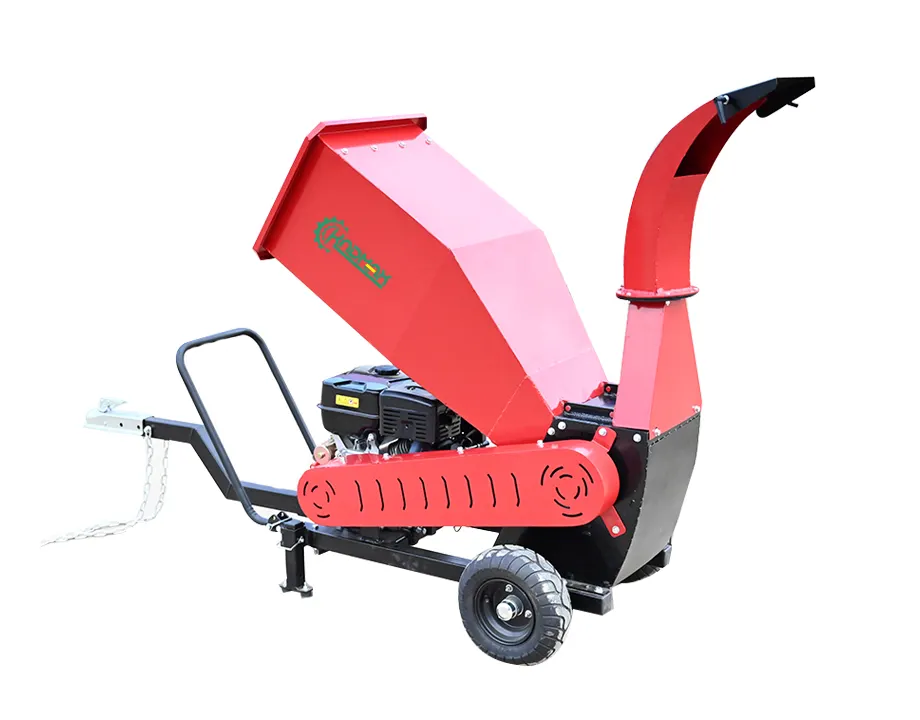
Why Farms and Ranches Need a Small Wood Chipper
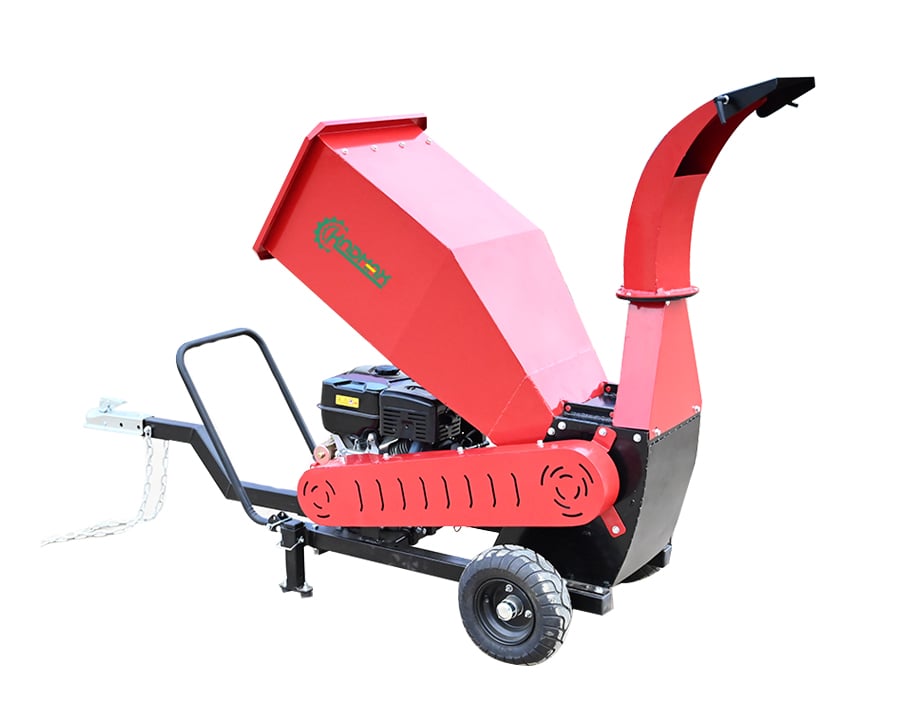
Solving On-Site Woody Waste Accumulation
On working farms and ranch operations across the country, there's always plenty of woody debris coming from regular pruning work, after bad storms hit, or when clearing new areas for planting. If farmers don't manage all this stuff properly, it builds up really fast around the property. Not only does it create serious fire risks, but it also becomes a hiding place for unwanted critters like mice and ticks. Plus, all that junk takes up precious ground space that could be put to better use. That's where a compact wood chipper makes such a difference. These machines take care of branches, brush piles, and leftover trimmings right there on site instead of having to load everything onto trucks and drive it away somewhere else. The process saves tons of backbreaking work, burns through less fuel, and cuts down on overall time spent dealing with waste management issues. What's even better is what happens next. Those freshly made wood chips become incredibly useful materials throughout the farm operation. Farmers spread them as mulch between crops to help retain soil moisture, lay them down in barnyards as clean bedding for animals without all the dust problems, or mix them into compost piles where they contribute valuable organic matter rich in carbon content.
Reducing Labor, Time, and Disposal Costs with Decentralized Chipping
The old ways of getting rid of farm waste stacking it up, loading onto trucks, hauling around, and tipping at landfills can run farmers as much as $750 for every ton they dispose of, based on what the USDA says about agricultural waste management. With decentralized chipping though, all those steps get skipped completely. When farmers process their debris while doing regular chores instead of setting aside special time for cleanup, they save themselves between 30 and 60 percent of the labor that would otherwise be spent manually removing everything. The volume shrinkage is pretty amazing too. Take ten cubic yards worth of loose branches and twigs, chip them up, and suddenly it's down to less than one cubic yard of compact material ready for reuse or much cheaper transportation. Looking at the bigger picture, this method cuts overall disposal costs by more than 85% across an entire growing season, which means most mid size farms start seeing money back within just a few months of switching systems.
Key Performance Features of a Reliable Small Wood Chipper
Matching Real-World Feedstock: Green, Wet, and Dense Brush
Most on-farm material isn't exactly what anyone would call perfect. Branches tend to be green when cut, sometimes holding as much as half their weight in water, plus they get all sorts of messed up from being left lying around after storms or pruning jobs. A good quality small chipper needs to tackle these messes without constantly getting stuck or needing constant clearing out. Look for machines with hardened steel blades that stay sharp even when things get wet and muddy. The ones with self feeding systems work wonders for grabbing those pesky vines and weird shaped shrubs that just won't cooperate. According to actual farmer reports, most folks find that chips can handle branches between 2 and 3 inches across cover about 8 out of 10 common tasks around the farmyard. That makes them way better suited for real world situations compared to electric models which max out at only 1.5 inches diameter. Especially important if dealing with heavy brush growth or freshly cut hardwoods that haven't had time to dry out properly.
Optimizing Power-to-Feed-Throat Ratio for Intermittent Farm Use
Farming operations tend to come in bursts rather than running nonstop all day long. That means chippers need to provide good power whenever they're called upon, instead of needing constant output like some other equipment does. Engines sized around 160 to 212 cubic centimeters work best here. They pack enough punch to handle about 15 to maybe 20 branches at once, but stay small enough and run cool enough so they don't overheat when moving from one task to another across the ranch. The feed opening measures roughly four to five inches wide, which makes loading material quick and straightforward while still giving operators full control over what goes into the machine. Mechanical setups with things like centrifugal clutches and those PTO driven systems actually beat out hydraulic options for these kinds of stop start jobs. Why? No messy oil leaks sitting unused in storage, less parts wearing down when just idling around, and getting back up and running much quicker after months of being put away for winter.
Durability and Serviceability: What to Look for in a Small Wood Chipper
For farm and ranch applications, reliability isn’t optional—it’s foundational. A small wood chipper must endure dust, moisture, impact, and variable loads while remaining serviceable in the field.
Agricultural-Grade Components: Bearings, Housing, and Blade Systems
Bearings that are sealed and lubricated with grease stand up better against dirt, sap, and rainwater getting inside them. According to tests done by the American Society of Agricultural and Biological Engineers, this kind of bearing can last about 40% longer before showing signs of wear. The housing itself is built using thick gauge steel that has been coated with powder finish. This construction holds up against constant pounding from rocks and other debris on job sites. Plus it doesn't rust easily even in places where there's lots of moisture or irrigation going on. For the blades, we're talking about high carbon steel with really tough cutting edges here. These blades typically need sharpening after around 100 hours of actual work time, which means less downtime overall compared to cheaper alternatives that might need replacing every few months in normal field conditions.
Modular Design and Compatibility for Mixed-Use Operations
Modular design goes beyond just being convenient it actually builds operational resilience into equipment. Machines that come with replaceable blades, adjustable feeding areas, and removable exhaust covers can save half the time when repairs are needed, which means the chipper stays active even when business is at its busiest. The ability to attach different components makes these machines versatile enough to handle all sorts of jobs without buying extra gear for each task. Things like easy-to-open panels and standard bolts let workers do regular checks and adjustments right where they're working, instead of waiting for service technicians or shutting down operations during busy periods. This kind of built-in flexibility really pays off in real world conditions.
FAQ
Why should farms and ranches use a wood chipper?
A wood chipper helps manage woody debris from pruning and storms, reduces fire risks, and provides usable materials for mulch, animal bedding, or composting.
How does decentralized chipping save costs?
Decentralized chipping eliminates the need for hauling debris to landfills, reduces labor, and cuts disposal costs by over 85% across a season.
What should I look for in a wood chipper?
Look for durable components, hardened steel blades, and a good power-to-feed-throat ratio, useful for handling green and dense materials.
Are wood chippers easy to maintain?
Yes, especially models with modular designs, which make servicing and replacing parts quick and easy directly on-site.