 EN
EN

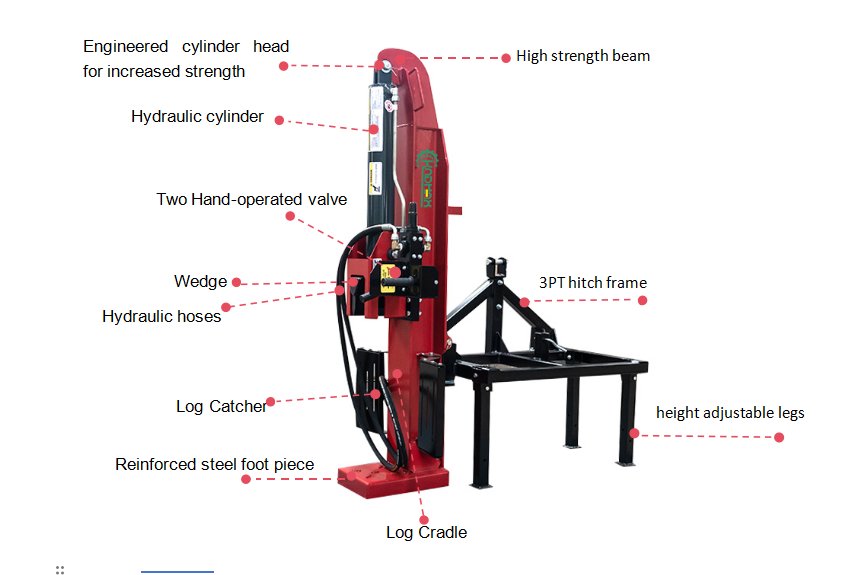
Engine Power and Fuel Efficiency: Matching Performance to Your Needs
Why engine specifications and power source matter in gas-powered log splitters
When looking at gasoline powered log splitters, it all comes down to knowing what kind of engine specs match up with actual firewood requirements around the property. Gas models beat out their electric counterparts when it comes to being able to move around easily and deliver real muscle power, making them great choices for folks working in areas without easy access to electricity. The heart of any good splitter is its engine, which powers the hydraulic system behind those heavy duty splitting actions. This affects everything from how fast logs get split to how much money ends up going toward fuel over time, plus whether the machine will hold up year after year. Horsepower matters because it determines how quickly cycles happen between splits, while torque gives that extra push needed to crack through really tough pieces of wood with knots or other stubborn features. Bigger engines definitely pack more punch but come at the cost of burning through fuel faster. Homeowners should think carefully about how often they actually need to split wood throughout the seasons before deciding if going big on engine size makes financial sense in the long run.
How horsepower and torque impact splitting performance
When it comes to splitting wood, both horsepower and torque matter, though they do so in different ways. Horsepower basically controls how fast the hydraulic pump moves the ram back and forth, which impacts how much work gets done over time. Torque, measured in those lb-ft units, gives the machine its muscle power. This rotational force is what actually breaks through the stubborn wood fibers, creating that solid pressure needed at the wedge point. Many people think bigger horsepower equals better results, but that's not always true. When dealing with frozen wood, knots, or green hardwoods, having enough torque becomes just as important. Most homeowners find that machines with around 5 to 8 horsepower and good low end torque can tackle logs about 24 inches thick. Of course, this works best when combined with a decent hydraulic system design too.
Matching engine size to your firewood volume and usage frequency
Choosing an appropriate engine size really comes down to how much firewood gets processed each year and what kind of wood is being worked with. For folks who only split maybe 1 or 2 cords worth annually, engines in the 5 to 6 horsepower range tend to work just fine most of the time. They get decent results without guzzling too much gas either. But when someone starts dealing with around 3 to 5 cords yearly or tackles tough stuff like oak and maple trees, stepping up to those 7 to 8 hp motors makes sense. These bigger engines handle heavier loads better and put less stress on the whole system. Anyone running operations commercially or going through more than five cords every season will want something even stronger though. Engines rated at 8 horsepower or higher come equipped with better cooling features so they don't overheat after hours of continuous operation. Getting this right means avoiding situations where the machine struggles to keep up or breaks down early because it's overworked. Plus nobody wants to waste money on extra fuel costs from buying a motor that's way larger than needed for their actual workload.
Splitting Force and Tonnage: Choosing the Right Power Level
Typical force range (4–30 tons) across consumer-grade log splitters
Gas powered log splitters for home use generally fall somewhere between 4 and 30 tons when it comes to splitting power. The smaller ones, around 4 to 10 tons, work pretty well for folks who only split wood now and then, especially if they're dealing mostly with softwoods or those little branches that come off trees. Mid sized splitters in the 10 to 20 ton range handle what most homeowners need day to day, getting through woods like maple or birch without much trouble. For people who split wood regularly or deal with big logs, the heavy duty models above 20 tons make sense. These bad boys can take on tough stuff like oak or pine with knots, and even handle oversized timber pieces that would give lighter machines a headache. Just keep in mind these heavier units require more maintenance and fuel consumption compared to their smaller counterparts.
Selecting optimal tonnage based on wood type, diameter, and hardness
Getting the right amount of power depends on what kind of wood we're dealing with. For softwoods such as pine or poplar that are less than 12 inches thick, around 4 to 10 tons typically does the job just fine. When working with medium density woods like cherry or ash, especially if they're over 18 inches across, going up to between 10 and 20 tons makes sense. The really tough stuff though – think live oak, black locust, or green hickory – these dense varieties often need 20 tons or more to split properly, particularly with bigger pieces or those odd shapes that just won't cooperate. Picking the correct weight rating means our equipment works better without getting pushed too hard, which matters a lot for keeping things safe during operation.
Hydraulic System Design: The Advantage of Two-Stage Pumps
Why hydraulic pump efficiency boosts productivity in log splitters
Hydraulic pumps take the power from engines and turn it into the force needed to move the splitting ram forward. When systems work efficiently, they boost productivity because cycles happen faster and less fuel gets burned overall. What makes two stage pumps special is how smart they operate. They start by pushing lots of fluid at low pressure so the ram retracts quickly, then flip to high pressure with less flow when actually splitting materials. The clever part? This back and forth lets operators get both quick movement and strong force from the same engine power. Most folks who've switched from single stage models notice a real difference in their day to day operations.
How two-stage hydraulics reduce cycle time by up to 50%
The two stage hydraulic system cuts down on cycle time by about half when compared against traditional single stage pumps. When retracting, these systems switch over to high volume operation, typically pumping around 11 gallons per minute which gets the ram back to its original spot pretty fast. As soon as there's resistance sensed during the forward movement, the system switches gears into high pressure mode, often going beyond 3000 psi to deliver maximum splitting power exactly where required. This automatic shift between modes completely changes things from the old school single stage approach that dragged along at a steady but slow pace. The result? Much quicker log processing capabilities and significantly reduced downtime across operations.
Single vs. two-stage pump: Evaluating cost vs. long-term value
Single stage pumps might cost less when bought new, but two stage models actually save money in the long run for most people who need them regularly. The problem with single stage units is they just keep running at the same speed no matter what, which makes everything take longer and burns through fuel much faster as months go by. Two stage pumps do cost more at first glance, sure, but they work quicker, burn less gas, and put less stress on engines. This matters a lot if someone cuts more than maybe five or six cords each year. Most folks who cut wood professionally find that after a couple seasons, all those extra hours saved plus the money not spent on fuel totally makes up for paying more initially for a two stage pump setup.
Essential hydraulic system care and fluid maintenance tips
Keeping a hydraulic system running well depends on regular maintenance. Stick to what the manufacturer says about hydraulic fluid and replace it roughly every 100 to 150 hours of actual operation time. Before starting up, always check those fluid levels. If the fluid looks cloudy or dirty, that's not good news at all. Cloudiness usually means water has gotten in somewhere or parts are wearing down over time. Don't forget to look at all those hoses and fittings too. Small leaks, cracks, or even minor abrasions can really mess with pressure readings and pose serious safety risks. When working in colder areas, make sure to pick fluids rated for low temperatures so everything starts smoothly without freezing issues. And when putting equipment away for storage, retract that ram completely. This simple step protects the seals from damage and stops rust from forming inside the cylinder where it shouldn't be.
Safety and Usability: Essential Features for Reliable Operation
Critical safety features: emergency stop, control locks, and two-hand operation
Operator safety should always come first when working with powerful machinery. Most machines have several built-in protections these days including those red emergency stop buttons everyone knows about but rarely tests until they need them. There are also control locks that keep things from starting accidentally while someone's adjusting settings or loading materials. And then there's the two-handed operation requirement which forces workers to keep both hands on controls instead of reaching into dangerous areas near where the actual cutting happens. All these safety measures work together to keep people alert throughout every machine cycle. Industry data suggests that when all these safety protocols are followed correctly, workplace accidents drop significantly around 60% in fact though this number varies depending on how strictly companies enforce their own safety rules.
How ram stop and split-one-log-at-a-time design improve workflow safety
The ram stop comes into play when the wedge reaches maximum extension, stopping it dead in its tracks before anything gets damaged on the cylinder or frame side of things. When paired with our unique single log splitting design, this mechanism keeps everything running smoothly without anyone feeling tempted to pile up multiple logs or speed through the cycle just to get more done faster. Processing each piece individually means there's no guessing where the split might go next, plus it cuts down on those dangerous flying wood fragments we all want to avoid. Safety improves alongside consistency too. What really matters though is how this method creates a natural working pace that doesn't wear operators out so quickly during long days at the machine, making fewer errors along the way as well.
Pre-use inspection checklist and warning signs of mechanical failure
It's important to take a quick look at things before firing up the equipment. Check those hydraulic fluid levels first, then scan around for any hoses that might be leaking or showing signs of bulging. Don't forget to run through all the safety controls too. Make sure every bolt and fastener is properly secured. If something doesn't seem right during operation, pay attention. Strange noises like grinding or whining can signal trouble ahead. The ram moving slower than usual or delivering inconsistent splitting power? That's another red flag. And anyone who sees fluid starting to seep out should definitely stop what they're doing. Catching these warning signs early makes all the difference between fixing small issues and dealing with expensive breakdowns or worse, dangerous malfunctions down the road.
Best practices for setup, stabilization, and efficient log positioning
Make sure to set up the log splitter on flat, solid ground so it doesn't tip over during operation. When working on hillsides, wheel chocks become essential, and don't forget to sweep out any debris from the log cradle area first thing. Position logs right in the center of the wedge, making certain the wood grain runs straight up and down for best results when splitting. Going beyond what the manufacturer says about maximum log size is asking for trouble down the road. Getting placement right makes all the difference in how well everything works together. The machine puts less stress on itself, which means fewer breakdowns, and operators face fewer surprises like unexpected kickbacks or sudden misfires. Stick to these basic setup rules and the splitter will last longer while keeping operations running smoothly day after day.
Frequently Asked Questions
What is the significance of horsepower and torque in log splitters?
Horsepower controls the speed at which the hydraulic pump moves, impacting the overall work done. Torque provides the necessary force to break through tough wood fibers, making both elements crucial for effective wood splitting.
Why should one prefer OHV engines over 2-stroke engines for log splitters?
OHV engines are more efficient, run quieter, and have better durability with superior lubrication systems. They are preferred for continuous log splitting tasks because they result in better performance and reduced maintenance costs compared to 2-stroke engines.
How does a two-stage hydraulic pump benefit a log splitter's performance?
Two-stage pumps enhance productivity by alternating between high and low pressure, which reduces cycle time by up to 50%, leading to faster log processing and lower fuel consumption.
What are the key factors to consider for maintaining a hydraulic system in log splitters?
Regular maintenance involves checking hydraulic fluid levels, replacing it every 100-150 hours, inspecting hoses for leaks or damage, and ensuring filters are clean. Selecting the right fluid for cold weather is also important to prevent freezing issues.
How can log splitters be safely operated?
Ensure to use safety features like emergency stops, control locks, and two-hand operations to prevent accidental starts and injuries. Following pre-use inspection checklists and adhering to setup best practices helps in maintaining operational safety.
Table of Contents
- Engine Power and Fuel Efficiency: Matching Performance to Your Needs
- Splitting Force and Tonnage: Choosing the Right Power Level
- Hydraulic System Design: The Advantage of Two-Stage Pumps
-
Safety and Usability: Essential Features for Reliable Operation
- Critical safety features: emergency stop, control locks, and two-hand operation
- How ram stop and split-one-log-at-a-time design improve workflow safety
- Pre-use inspection checklist and warning signs of mechanical failure
- Best practices for setup, stabilization, and efficient log positioning
- Frequently Asked Questions