 EN
EN

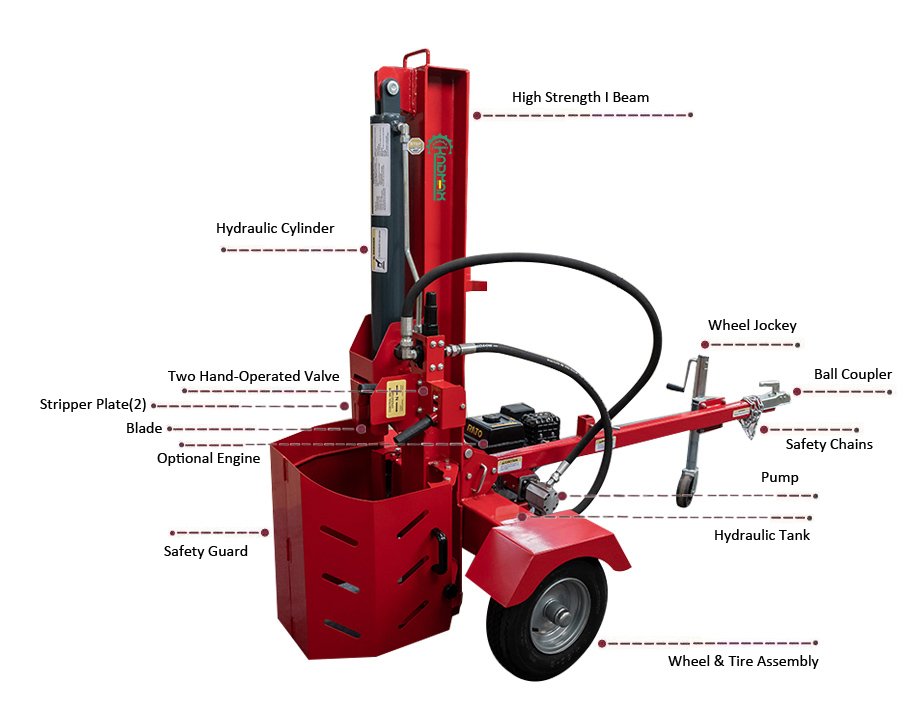
Understanding Power in Log Splitters: Tonnage, Force, and Real-World Performance
What Is Tonnage and Why It Matters for Log Splitter Power
The term tonnage basically describes how much force a log splitter can actually produce, and it's measured in tons. When looking at what kind of logs a splitter can tackle, this number becomes really important because it tells us about the machine's capacity for different types of wood and sizes. Machines with higher tonnage ratings obviously have more power behind them, which makes all the difference when dealing with tough hardwoods or big round logs. Take for instance a splitter rated at 25 tons versus something smaller like a 7 ton electric unit. The bigger one would easily split oak logs measuring around 24 inches across, whereas the smaller model might get stuck trying to handle anything thicker than about 12 inches. Getting a good grasp on these numbers lets people pick the right equipment for their particular needs with the wood they want to split, saving time and avoiding unnecessary stress on the machinery itself.
How Tonnage Ratings Determine Log Size and Splitting Capacity
The amount of pressure a log splitter can generate really matters when it comes to what kind of wood it can handle. For homes, most gas powered splitters work around the 20 to 30 ton range, which handles tougher woods like maple and oak just fine. Electric versions are different though they usually sit somewhere between 4 and 7 tons, making them better suited for softer stuff like pine or logs that aren't too thick. When dealing with knots or weird grain patterns in the wood, having more power makes all the difference. The machine works faster and requires less work from whoever is operating it. Getting the right tonnage for the job at hand isn't just about getting things done quicker it also helps protect the machine itself over time, so it lasts longer without breaking down unexpectedly.
Measuring Real-World Power: Looking Beyond Manufacturer Claims
The performance of log splitters in real life doesn't always match what manufacturers promise. Things like how efficient the hydraulic pump works, whether the engine maintains steady power, and the conditions during operation all play a role. Some independent testing has found that the actual force these machines produce can differ from their advertised tonnage ratings by as much as 15%, especially when they're running nonstop for hours. When looking at splitter performance, there are several important numbers to consider beyond just the tonnage spec sheet. How fast it cycles between splits matters a lot, along with what size logs it can handle without struggling. And let's not forget about how consistently it performs when pushing against tough wood. Anyone serious about getting good value should look past those flashy tonnage figures and focus on what really happens when the machine is actually splitting logs day after day.
Gas-Powered Log Splitters: High Tonnage and Heavy-Duty Performance
Tonnage Range of Gas Log Splitters: Up to 40+ Tons for Maximum Power
When it comes to heavy duty work, gas powered log splitters really stand out compared to their electric counterparts when looking at how much force they can generate. Electric versions usually max out around 7 tons, whereas gas models range from 8 to 34 tons for home use and go beyond 40 tons for commercial purposes. The extra muscle these gas machines have lets them tackle bigger logs, sometimes as thick as 26 inches, and tougher woods that would simply stop an electric splitter dead in its tracks. Plus, since they don't need to be plugged in anywhere, gas splitters keep getting bought by people who need maximum power regardless of where they happen to be working.
Electric Log Splitters: Power Limits and Practical Applications
Electric log splitters operate within a typical tonnage range of 4–7 tons, a specification that directly dictates their splitting capability and application scope. This power level makes them suitable for processing smaller logs and softer woods but presents challenges when handling larger or denser materials.
Typical Tonnage Range: 4–7 Tons and Its Implications for Splitting Capability
Electric motors in these machines typically max out around 4 to 7 tons of force. With that kind of power, they can handle logs about 18 to 20 inches long and roughly 10 to 12 inches thick when everything is just right. For regular home heating needs, this works pretty well. But there are limits to what these machines can do. They struggle with bigger logs, ones that have knots or are made from really dense hardwoods. Those tougher jobs often need something with at least 20 tons of splitting power, which goes beyond what most electric models can deliver.
Performance with Large or Dense Logs: Where Electric Splitters Fall Short
Electric log splitters tend to have trouble with big diameter logs, tough hardwoods such as oak and maple, or anything with tricky grain patterns. Most models just don't pack enough power to get through these materials without getting stuck. They might stop mid-split, need several tries, or simply give up where gas powered units would breeze right through. Anyone who splits more than a couple cords each year quickly notices this difference, especially when dealing with rough cut timber that hasn't been sized properly for splitting.
Power Comparison: Electric vs Gas Log Splitters in Real-World Scenarios
When put head to head, electric log splitters just don't pack the same punch as gas models. Take for instance a 7 ton electric unit trying to split a decent sized 16 inch oak log it often gets stuck or takes forever. Meanwhile, a 25 ton gas powered splitter would crush that same log right through in one go. After running these machines for hours on end, the gap widens even more. Electric motors tend to get hot and start acting up if they're worked too hard for too long. Gas engines though? They keep chugging along pretty much no matter how tough the job gets, which makes them much better suited for serious splitting tasks.
Advantages of Electric Models for Light-Duty and Residential Use
Electric log splitters might not pack the same punch as their gas counterparts, but they still have their place in certain situations. The fact that they run quietly, produce no emissions, and basically take care of themselves makes them great choices for folks living in neighborhoods with strict noise ordinances. Homeowners who only need to split around one or two cords of wood each year, or maybe deal with some fallen branches after storms, will find electric models totally sufficient. No worrying about storing fuel, no costly gasoline expenses, and hardly any maintenance required compared to gas machines. Plus, these electric splitters fire right up at the push of a button which is pretty appealing to people who want something simple and straightforward rather than wrestling with powerful machinery just to get the job done.
Direct Power Comparison: Speed, Efficiency, and Emerging Trends
Splitting Force and Cycle Time: Gas vs Electric Performance Benchmarks
When it comes to splitting force and how fast they work, gas powered log splitters really stand out compared to their electric counterparts. The big ones can push around 40 tons of pressure and split logs in just 10 to maybe 15 seconds flat. Electric models on the other hand usually top out around 7 tons, taking well over 30 seconds per cycle which makes them pretty impractical for anyone doing serious splitting day after day. Anyone who's tried splitting tough hardwoods or those massive diameter logs knows the difference firsthand. Gas engines keep going strong even when things get tough, whereas electric splitters tend to bog down or need several attempts to finish the job, especially with really stubborn wood.
Efficiency in Action: Processing Volume Over Time
When looking at how much wood gets split over time, the difference between models really stands out. Take for example a commercial grade 30 ton gas powered splitter which can handle around two full cords of wood every single hour. Compare that to most standard 5 ton electric versions that might barely finish half a cord in the same amount of time. The gap here goes beyond simple power output too. Gas engines keep delivering strong torque without getting hot enough to stop working, so they can run nonstop basically. Electric motors tell a different story though. They usually come equipped with built in thermal safeguards that kick in after prolonged operation, forcing those machines to take regular cooling breaks. These interruptions naturally cut down on overall productivity numbers.
Are Electric Log Splitters Closing the Power Gap? Technology Trends and Limitations
New tech stuff such as better direct drive systems and stronger torque motors is slowly making electric log splitters work better these days. Some recent models actually hit slightly higher tonnage numbers and complete cycles quicker than before. But there's a problem here folks. The electricity supply just isn't enough yet, plus motor designs have their limits too. That means electric versions still fall short when it comes to pure power and lasting operation compared to those old reliable gas engines. Battery improvements do make cordless models easier to move around, no doubt about that. Still, nobody expects them to handle all day long splitting sessions at commercial wood yards or big scale processing sites where constant heavy duty performance is needed hour after hour.
Choosing the Right Log Splitter: Matching Power to Your Needs
Residential Use: When an Electric Log Splitter Is the Smart Choice
Homeowners who need to split their own firewood for winter heating will find electric log splitters pretty handy. Most models fall somewhere between 4 and 7 tons of splitting power, which works great for regular woods people burn at home like pine, cedar, or those smaller hardwood varieties. The big plus? They run quietly enough not to bother neighbors in neighborhoods where everyone has their own little workshop going on. Plus no fumes means they can safely sit inside garages or sheds as long as there's decent airflow. Looking at how folks actually use them, these electric splitters generally handle about one to two cords worth of wood each hour. That's plenty fast enough for most folks just trying to stock up before cold weather hits.
Commercial Demands: Why Gas Remains the Standard for High-Volume Splitting
Most serious firewood businesses and big time users stick with gas powered log splitters because they just plain work better. These heavy duty machines pack between 25 to over 40 tons of splitting power, so they can handle tough stuff like oak, hickory wood, and those stubborn knot filled logs that tend to bog down electric versions. No need to worry about extension cords limiting where they can go around the yard or job site. Plus these rugged units hold up through long days of work, lasting anywhere from six to eight straight hours without breaking a sweat. For commercial scale operations, expect to see processing rates around four to six cords per hour when using top quality gas splitters. That kind of throughput makes gas models practically essential for anyone running a high volume wood splitting business.
The Rise of Hybrid Solutions: Balancing Power, Portability, and Sustainability
Hybrid log splitters are now coming onto the market that mix hydraulic power with several different engine choices. Most models offer electric, gas, and PTO setups so folks can pick what works best for their situation. When the power goes out or someone wants to be greener, they just flip a switch to electric mode. The machines still pack serious punch though, hitting around 25 tons of splitting force similar to traditional gas units. For people who only split wood now and then but still want something strong enough for big logs, these hybrids make sense. No need to buy a separate gas splitter that sits unused most of the time.
Key Decision Factors: Frequency of Use, Wood Type, and Power Availability
When picking out a log splitter, there are really three main things to think about first. How often do you need to split logs? Is this something you'll only do once in a while during certain seasons, or is it part of everyday business operations? What kind of wood gets split most frequently? Softwoods like pine versus harder stuff like oak makes a big difference too. And finally, what sort of power setup does the location have available? For folks who just tackle softwoods maybe 10 to 20 times a year around campfire season, an electric model works just fine. But businesses that cut through tough hardwoods hundreds of days each year absolutely need the dependable power of gas engines. The tonnage rating on any splitter should be matched against the hardest wood species encountered rather than going by typical conditions. This ensures the machine can handle those really tough pieces without breaking down when it matters most.
FAQ
What is the importance of tonnage in a log splitter?
Tonnage defines the force a log splitter can exert, measured in tons. It determines the types and sizes of wood the splitter can handle efficiently.
How does an electric log splitter compare with a gas log splitter?
Electric log splitters generally offer 4-7 tons of power, suitable for light-duty tasks, while gas log splitters provide up to 40+ tons, ideal for heavy-duty and commercial use.
Are electric log splitters closing the power gap with gas models?
Technological advancements are improving electric models, yet they still lag in raw power compared to gas equivalents, especially for extended, heavy tasks.
Table of Contents
- Understanding Power in Log Splitters: Tonnage, Force, and Real-World Performance
- Gas-Powered Log Splitters: High Tonnage and Heavy-Duty Performance
- Electric Log Splitters: Power Limits and Practical Applications
- Direct Power Comparison: Speed, Efficiency, and Emerging Trends
- Choosing the Right Log Splitter: Matching Power to Your Needs