 EN
EN

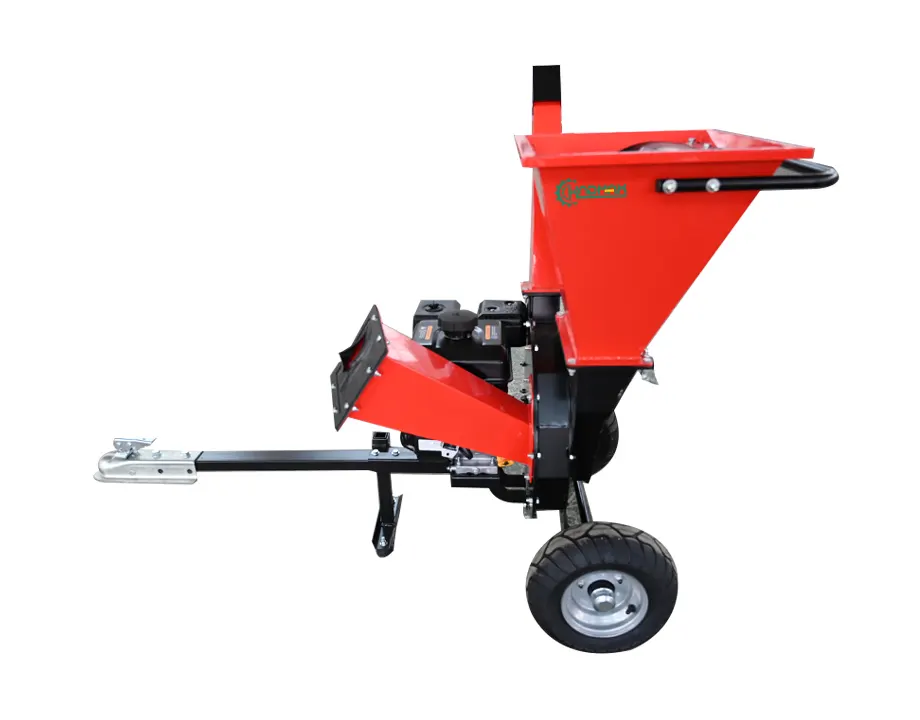
Neglecting Wood Shredder Safety Best Practices
Understanding common wood shredder accidents and injury risks
Working with wood shredders comes with real dangers that people often overlook until it's too late. Every year, workers get hurt on the job because they don't follow safety protocols properly. The injuries can be anything from simple cuts all the way up to bad situations where someone gets caught in the machine or hit by flying pieces of wood. About 59 out of every 100 accidents involving shredders actually happen to hands. Most of these happen when operators skip using the special push tools provided and instead try to feed material directly into the machine with their bare hands. There are plenty of other risks too. When wood isn't fed correctly, it can come back at high speed (that's what we call kickback). Loose clothes or jewelry might get snagged in moving parts as well. And let's not forget about the noise level either. These machines produce sounds louder than 85 decibels, which is enough to start damaging hearing over time if workers aren't wearing ear protection consistently throughout their shifts.
Following the manufacturer's manual and safety protocols
Following the manufacturer's instructions isn't just good practice, it's essential for staying safe when operating equipment. Before starting up, check for any problems like loose bolts, belts showing signs of wear, or blades that look damaged. Make sure those emergency stops actually work and double check that all the safety guards are properly fastened where they need to be. Keep the workspace clean and clear people who don't need to be there away from the machine while it runs. Always feed materials into the shredder using proper tools like push paddles instead of bare hands, and stay well back from anything moving around. According to industry professionals, sticking to these basic rules on a regular basis would stop the majority of accidents that happen with wood shredders every single year.
Are safety warnings taken seriously enough? A closer look
People still ignore safety protocols around wood shredders even though the risks are well documented, especially in backyard and farm environments. About three out of every hundred injuries from these machines happen to kids under twelve years old. That statistic alone should make parents and farmers think twice about letting young ones near the equipment without proper oversight. A lot of folks just don't realize how dangerous these machines can be, choosing to get the job done fast rather than taking time for safety steps. We see this all the time when workers skip using push sticks or forget their protective gear while handling the shredder. These shortcuts lead to accidents that could have been avoided if only basic safety practices were followed consistently.
Skipping Pre-Use Inspection and Routine Maintenance
Conducting thorough pre-operation inspections to prevent failures
Many wood shredder problems actually start because nobody bothered checking things before turning it on. Operators need to look at all the important parts like bolts, belts, blades, the machine housing, and that feed chute area where material goes in. Small cracks or bent components might not seem like much until they cause big trouble while the machine is running. According to industry reports from 2023, around two thirds of breakdowns in farm machinery happen because worn out parts went unnoticed. The good news? A simple visual inspection usually takes just a few minutes but saves hours of frustration later when something breaks down mid-job. We've seen too many cases where a quick check could have saved thousands in repair bills.
Maintaining blades, belts, and housing: The cost of neglect
Keeping those key parts in good shape makes all the difference for how well things run, how long they last, and most importantly staying safe. When blades get dull, motors have to work harder and eat up more electricity. Belts that are worn out tend to slip around or just plain break when put under stress. If the housing gets damaged somehow, it lets bits fly out which can be dangerous for anyone nearby. Machines that receive proper care generally perform about 20-25% better than those left alone, meaning less electricity is used overall and there's not as much money spent fixing problems down the road.
Case Study: Preventable farm downtime due to poor maintenance
When a farm in Illinois had their main wood chipper lock up during busy harvest time, they ended up losing three whole days of operation. The problem? Bearings gave out and there wasn't enough oil getting to critical parts, which eventually brought down the entire gearbox system. Fixing everything cost over eight grand before counting all the money lost because mulch couldn't be produced on schedule. What this shows is simple really scheduled checkups and sticking to basic maintenance routines would have stopped this disaster from happening in the first place. Most farmers know equipment failures happen, but proper care goes a long way toward preventing these kinds of expensive headaches.
Failing to Wear Proper Personal Protective Equipment (PPE)
Proper personal protective equipment (PPE) serves as the critical barrier between operators and serious injury. Despite its importance, inconsistent PPE use remains a major contributor to preventable accidents in wood processing.
Essential PPE: Hearing protection, eye protection, and helmets
Operators must wear ANSI-certified safety glasses or goggles to shield against flying debris, hearing protection to guard against sustained noise exposure above 85 decibels, and hard hats to prevent head injuries from falling objects or accidental contact with machinery.
Avoiding hazardous clothing: Loose items, jewelry, and long hair
Wearing loose clothes, letting jewelry hang around, or leaving long hair untied creates serious entanglement dangers when working near machinery. These things get snagged on spinning parts and can drag someone right into the equipment itself. According to various workplace safety statistics, about one out of every six injuries in wood processing facilities comes from getting caught in moving components. To stay safe, workers need to dress appropriately for the job site. That means wearing snug fitting garments instead of anything baggy, keeping hair securely tied back, and taking off rings, necklaces, or bracelets before turning on any machines. A few simple precautions make all the difference between finishing work safely and ending up with preventable injuries.
Establishing a safe work zone to protect operators and bystanders
A designated safety perimeter of at least 10 feet around the operating shredder minimizes risk to both operators and onlookers. This zone prevents accidental contact and protects against projectile debris. It should be clearly marked and enforced during all operations.
Using Incorrect Feeding Techniques and Poor Operator Positioning
Safe feeding practices: Use of push tools and controlled input
When operating machinery safely, operators must use proper push tools instead of bare hands to feed materials into the hopper area. Keep all body parts clear of those moving parts at all times. Feeding material too fast can cause problems. The ideal approach is to maintain a steady pace that matches what the machine can handle without overloading it. This helps prevent annoying jams and puts less stress on the motor. And remember this important rule: power down the entire machine first before trying to clear any blockages or make adjustments. No exceptions here. Safety comes first every single time.
Dangers of overloading and inserting unsuitable materials
Overloading increases the risk of motor burnout, blade damage, and dangerous kickback. Feeding oversized branches beyond the unit’s specifications can cause sudden jams, leading to operational failure. These practices compromise safety, accelerate wear, and raise maintenance costs.
Balancing speed and safety in high-volume wood shredder operations
High-volume operations require balancing throughput with safety. Begin with moderate feed rates and gradually increase while monitoring for vibration or strain. Machining best practices suggest reducing feed speed by 10–20% if stress indicators appear, ensuring optimal performance without compromising safety or output quality.
Trend: How automated feed systems reduce human error
Automated feed systems are increasingly adopted to minimize human error. They regulate input speed, prevent overloading, and eliminate direct hand-feeding, significantly enhancing safety. However, proper training remains essential—operators must understand system controls, emergency procedures, and troubleshooting to fully leverage these advancements.
Processing Forbidden Materials That Damage the Wood Shredder
Feeding inappropriate materials into a wood shredder is one of the most frequent and expensive operator errors. Many users unknowingly introduce substances that jeopardize both equipment integrity and personal safety.
Materials to never put in a wood shredder: Metal, rocks, vines, and debris
Nails, screws, bits of wire these metal items are probably the biggest troublemakers out there when it comes to damaging equipment. They can literally smash right through blades if they hit just right. Then there are rocks which basically sandpaper away at everything they touch. Cutting surfaces get worn down faster than normal, same goes for those bearings inside the machine. Fibrous stuff like vines and palm fronds tend to wrap around rotor parts. Once wrapped up, they create all sorts of problems from jamming to putting extra strain on motors until something gives way. And let's not forget about pressure treated wood or anything with paint coatings. When shredded, these materials release nasty chemicals into the air along with fine particles that nobody wants floating around. Both people working nearby and the surrounding environment end up paying the price for this kind of exposure.
How foreign objects cause internal damage and costly repairs
When foreign objects get into a shredder, they hit it with forces that go way beyond what was designed for normal operation. Metal debris is particularly problematic because it chips away at or completely destroys the blades. Replacing these damaged parts typically runs between around $200 for smaller models all the way up to nearly $2,000 for larger industrial units. The impact doesn't stop there either. Those sudden metal collisions send shockwaves through the machine that can wreck bearings, mess up rotors, and even knock out entire drive systems. What starts as one problem quickly becomes several when these failures happen together. Looking at industry numbers, companies report that fixing damage from foreign objects costs anywhere from three to five times more than regular maintenance work. And let's not forget about lost productivity during repairs, which can mean everything from just a few hours of downtime to full days without operational capacity.
Real-world consequences of improper feed material selection
Choosing the wrong materials can cause problems that go way beyond just fixing what breaks. Take this real world example from last year when some rocks got mixed in with the feedstock. That led to complete bearing failure right in the middle of busy season. The whole operation had to shut down for two weeks straight and cost around eight grand between fixing everything and lost production time. Most insurance companies won't cover damage from foreign objects, they usually blame it on something the operator should have prevented. And get this - manufacturers will cancel warranties if they find banned materials in there. So even if the equipment is brand new or properly maintained, once those prohibited substances are discovered, the owner ends up paying full price for all repairs without any recourse.
FAQ
What are the most common injuries associated with wood shredders?
The most common injuries associated with wood shredders are hand injuries, resulting from operators feeding materials directly into the machine without using push tools, along with cuts and injuries caused by kickback and flying debris.
Why is it important to follow the manufacturer's instructions?
Following the manufacturer's instructions is essential to ensure the equipment operates safely. It helps prevent maintenance issues and ensures emergency stops and safety guards are properly functional, minimizing the risk of accidents.
What types of materials should never be put in a wood shredder?
Nails, screws, metal bits, rocks, pressure-treated wood, painted wood, and fibrous materials like vines are prohibited as they can damage the blades and create safety hazards.
How can foreign objects affect the functionality of wood shredders?
Foreign objects can cause substantial internal damage, leading to costly repairs and damaging the blades and other components, often resulting in extended equipment downtime.
What personal protective equipment is essential when operating wood shredders?
Essential PPE includes ANSI-certified safety glasses, hearing protection, and hard hats to safeguard against flying debris, sustained loud noise, and potential head injuries.
Table of Contents
- Neglecting Wood Shredder Safety Best Practices
- Skipping Pre-Use Inspection and Routine Maintenance
- Failing to Wear Proper Personal Protective Equipment (PPE)
- Using Incorrect Feeding Techniques and Poor Operator Positioning
- Processing Forbidden Materials That Damage the Wood Shredder
-
FAQ
- What are the most common injuries associated with wood shredders?
- Why is it important to follow the manufacturer's instructions?
- What types of materials should never be put in a wood shredder?
- How can foreign objects affect the functionality of wood shredders?
- What personal protective equipment is essential when operating wood shredders?