 EN
EN

Core Differences Between Electric and Gas Wood Chippers
Power Source and Operational Principles of Wood Chippers
What sets electric and gas wood chippers apart is basically how they generate power. Gas versions run on internal combustion engines which need both fuel and oil. These machines pack quite a punch when it comes to torque for tough jobs, but come with the hassle of ongoing maintenance checks. On the other hand, electric models get their power from motors linked either to wall sockets or battery packs. They start right away without any fuss, produce no emissions whatsoever, and generally easier to operate day to day. The downside? Electric units typically don't reach the same maximum power levels as their gas counterparts. Because of these differences, each type performs better in certain situations, weighs differently, and works best for particular applications depending on what exactly someone needs to chip through.
Key Performance Factors: Start-Up, Runtime, and Reliability
Gas powered chippers run longer after refilling fuel tanks and don't need access to electricity, which makes them pretty dependable when working far from civilization or on long projects. The downside? They usually need those annoying pull cords to get going and tend to need maintenance more often than their electric counterparts. Electric models are much easier to start just flip a switch and they provide steady power right away without needing time to warm up. But there's a catch too. Corded electric chippers can only go where an outlet lets them, and battery operated ones eventually run out of juice mid-job. When it comes down to reliability, gas engines generally have more components that can break down over time. Electric motors typically have simpler designs with fewer things that might fail, so folks who only chip occasionally might find them more trustworthy in the long run.
Case Study: Suburban Homeowner vs. Landscaping Contractor Needs
For suburban homeowners dealing with seasonal tree trimming, electric chippers offer several advantages that make them worth considering. They run quietly compared to their gas counterparts, require less maintenance overall, and take up much less space when stored away after use. These machines work great for smaller branches that are 2 inches thick or less. On the other hand, professional landscapers often find themselves needing something different altogether. Gas powered models provide the kind of rugged performance needed to handle those thick branches over 4 inches wide while moving between job sites throughout the day. When deciding which type works best, most people end up looking at how often they need to use it, what kind of volume they're dealing with, and whether there's easy access to power sources at their usual work locations.
Performance Comparison: Power Output and Chipping Capacity
Gas Chippers: Handling Thick Branches Up to 3 Inches in Diameter
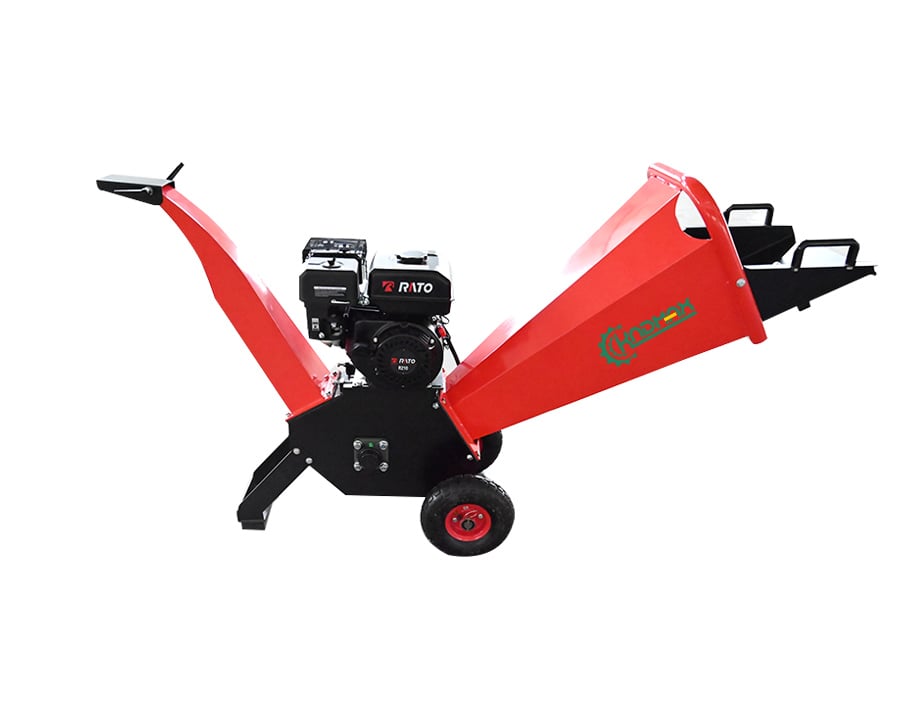
When it comes to sheer power, gas powered chippers really stand out from the crowd. Most models available for homes and businesses can tackle branches all the way up to about three inches thick. These machines typically run on engines ranging from six to fifteen horsepower, which gives them plenty of muscle to chew through tough or stringy wood without breaking a sweat. What makes these chippers so effective is their strong cutting systems like disc blades or drum cutters working at high speeds. This combination works great for places where there's just tons of branches and twigs piling up after storms or regular yard maintenance.
Horsepower, Reduction Ratio, and Real-World Chipping Efficiency
The efficiency of chipping operations depends on two main factors horsepower and what's called the reduction ratio, basically how much the machine can shrink down the volume of wood chips. Gas powered machines typically hit around 10 to 15 to 1 ratios, which means they cut down branch volume by roughly 90% to almost 95%. Electric versions tend to stick with more moderate numbers between 8 and 12 to 1. When we look at actual field performance, gas chippers generally handle full size branches about twice as fast as electric ones sometimes even three times quicker. This makes them stand out for jobs involving big volumes or particularly tough wood types where speed really matters.
Cost, Environmental Impact, and Noise Levels of Wood Chippers
Upfront and Long-Term Operating Costs: Electric vs. Gas Models
Most electric chippers come with a lower price tag right out of the box. Homeowners typically pay between $200 and $600 for these models, while gas versions tend to start around $500 and go all the way up to $2,000 for comparable power. The real money difference comes over time though. Electric models don't need gas money or regular maintenance checks. Gas powered machines eat through fuel constantly and require oil changes every few months too, usually costing somewhere between $20 and $40 each time they're serviced. Plus there are those annoying spark plugs that eventually need replacing. According to what I've seen in the market, people who stick with gas chippers end up spending roughly 40 to 60 percent more each year just keeping them running properly.
Emissions and Eco-Friendliness: How Gas Chippers Affect Air Quality
Gas chippers put out carbon monoxide, hydrocarbons, and nitrogen oxides into the air, which makes things pretty bad for local air quality. This is especially problematic in crowded neighborhoods where several units might be running at once. Even though newer models comply with EPA regulations, these machines still leave behind their mark on the environment. On the flip side, electric chippers don't release any harmful stuff directly into the atmosphere. And if someone runs them off solar panels or wind power, well, that's just about as green as it gets. For anyone worried about reducing their carbon footprint, switching to electric seems like the obvious choice despite some upfront costs involved.
Noise Comparison: Why Electric Chippers Are Quieter and Neighborhood-Friendly
The noise factor really sets these apart. Electric chippers run around 75 to 85 decibels, about what people hear when vacuuming their floors. Gas powered ones crank up to 95-107 dB though, similar to standing near a jet taking off. That difference of roughly 15-20 decibels means electric versions work much better in areas where quiet matters. Most folks can use them before sunrise or after sunset without waking up the whole neighborhood. Another plus point for electric models is they usually don't need special hearing gear. With gas chippers, operators generally have to wear those bulky ear protectors just to stay within safety limits while working.
Portability, Maintenance, and Safety Features by Type
Weight and Mobility: Evaluating Ease of Transport and Setup
Most electric chippers sit somewhere between 30 and 50 pounds, packed into neat little packages with wheels and comfortable handles that make them easy to push around the yard. Because they don't weigh much, these machines can be tossed into a garage or stored in a shed without taking up too much room. Gas powered versions tell a different story though. These bad boys often tip the scales past 100 pounds and come with a bulkier frame. Many folks find themselves needing special wheel attachments or even small trailers just to move them over rough ground. And let's not forget about all the extra space needed for storage plus the hassle of dealing with fuel safely.
Maintenance Requirements: Oil Changes, Spark Plugs, and Blade Care
Keeping gas chippers running properly means doing some regular maintenance work. Things like changing the oil after about 50 hours of operation, swapping out spark plugs when seasons change, and cleaning or replacing air filters regularly all help keep them performing well. Electric models cut out most of this hassle though. They don't need all those mechanical checks, so folks usually just have to sharpen blades now and then and give them a good wipe down once in a while. Looking at maintenance stats from 2023 shows something interesting too. People who own gas-powered units typically end up spending between three to five hours each year on service work, while those with electric versions barely need an hour total. That adds up to quite a bit of saved time over the course of a season for anyone dealing with yard debris.
Safety Mechanisms: Automatic Shut-Offs, Feed Chutes, and Operator Guards
Safety features are built into both electric and gas powered wood chippers these days. Most electric ones come with an instant stop function so the motor shuts down whenever someone opens the hopper cover. For gas models, manufacturers typically install automatic engine cut offs that kick in if the machine gets too hot or runs low on oil. Modern designs across all types usually have those funnel shaped feeding areas which help keep fingers clear of spinning blades, plus there are always those protective guards around to catch any chunks of wood that might fly out during operation. According to data from the Consumer Product Safety Commission back in 2022, folks who actually make use of these safety measures tend to get hurt about 72 percent less often than people using older machines without such protections.
Best Use Cases: Matching Wood Chipper Type to Residential or Commercial Needs
Homeowners and Small-Scale Yard Maintenance with Electric Chippers
Homeowners with small to mid-sized yards who need to prune now and then will find electric chippers work really well for their situation. These machines can tackle branches around 1 to 2 inches thick without making too much noise, plus there's no messing around with gas or complicated maintenance tasks. On properties that aren't too big (say under an acre), people love how easy they are to store and run. The quiet operation is a big plus compared to noisy gas models, and most folks appreciate not having to deal with fuel costs either. For those looking at long term savings and simplicity, these electric options often come out on top when considering both price and practicality.
Professional Landscapers and Frequent Use Requiring Gas-Powered Power
For landscapers who deal with heavy duty work every day, gas powered chippers are basically essential tools. They can handle those tough branches that measure around 3 to 4 inches thick, keep running non stop throughout long work hours, and get moved from one job site to another without needing any electrical hookups. These machines pack more punch because they have stronger engines, better gear reductions, and are built to last through rough handling. The construction quality means they hold up against all sorts of commercial use scenarios. Landscaping crews find them particularly valuable when working at different properties since the chippers maintain reliable performance no matter where they're deployed.
FAQ
What is the main difference between electrical and gas wood chippers?
The main difference lies in how they generate power. Electric wood chippers use motors powered by electricity from outlets or batteries, while gas chippers use internal combustion engines that require fuel.
Which type of wood chipper is better for small yard work?
Electric wood chippers are better for small yard work because they are easier to use, quieter, and require less maintenance. They are ideal for handling smaller branches around 1 to 2 inches thick.
Are gas wood chippers suitable for commercial use?
Yes, gas wood chippers are suitable for commercial use. They handle thicker branches around 3 to 4 inches and can run continuously for longer work hours without needing electrical hookups.
Table of Contents
- Core Differences Between Electric and Gas Wood Chippers
- Performance Comparison: Power Output and Chipping Capacity
- Cost, Environmental Impact, and Noise Levels of Wood Chippers
- Portability, Maintenance, and Safety Features by Type
- Best Use Cases: Matching Wood Chipper Type to Residential or Commercial Needs