 EN
EN

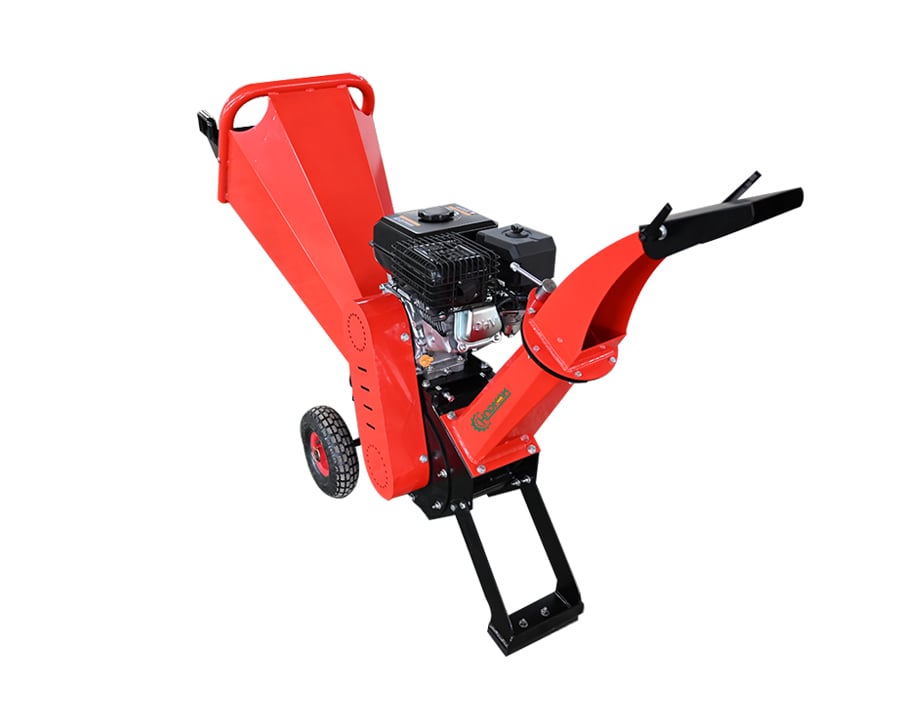
Addressing the Growing Volume of Forestry Residues with Industrial Wood Chippers
The Challenge of Accumulating Forestry Waste in Modern Logging Operations
Modern logging operations generate over 140 million tons of wood residues annually, contributing to 12 million metric tons of CO₂ emissions through outdated disposal methods like open burning (Industry Report 2023). This waste represents a missed opportunity—repurposing it could supply renewable energy to power 7.2 million homes each year.
How Industrial Wood Chippers Convert Residues into Uniform Biomass Efficiently
Drum and disc chippers used in industry settings can handle around 8 to 12 tons of plant waste each hour, turning branches and tree stumps into uniform chips ranging from 5 to 50 millimeters. These chips work great for biomass boilers that need consistent fuel sizes. The machines cut down on manual sorting work by about 92 percent, while making sure nearly all materials get used up, with utilization rates hitting close to 98%. Some newer models come equipped with smart feeding systems powered by artificial intelligence. These systems tweak blade speeds and angles depending on how dense the wood is, which helps boost overall production capacity by roughly 35% compared to older equipment.
Case Study: Pacific Northwest Logging Sites Reduce Waste by 68% Using On-Site Chipping
A 2023 trial across 12 Pacific Northwest sites deployed mobile chippers at harvest locations, reducing transportation costs by $18/ton and diverting 420,000 tons of slash from landfills. The resulting biomass now powers regional energy plants, generating enough electricity for 14,000 households annually.
Enhancing Sustainability Through Wood Waste Recycling and Carbon Footprint Reduction
Environmental Benefits of Industrial Wood Chipper Applications in Forest Management
When industrial wood chippers process branches, bark pieces, and those awkward bits of timber right at the site, they cut down waste volume significantly compared to older techniques. According to recent data from USDA Forest Service in 2023, this approach reduces waste by around 83%. These machines are also making a real difference in reducing open burning practices, which has been a big contributor to air quality issues worldwide. Open fires release particles into the atmosphere that account for approximately 12% of all global emissions. Some modern models come equipped with forestry management systems that let operators create either rich mulch material good for improving soil conditions or larger chips that actually benefit local wildlife habitats when spread across forest floors.
Reducing Landfill Use and Greenhouse Gas Emissions via Wood Waste Chipping
When wood waste gets diverted away from landfills, it stops methane from escaping. And this matters because methane is actually 28 times worse for the climate than carbon dioxide when looking at effects over 100 years. According to research from Climate Action Reserve back in 2023, every single ton of wood that gets chipped instead of dumped saves about 1.3 metric tons worth of greenhouse gases. Something interesting happening right now is mobile chipping operations going straight into forests themselves. These on-site units have slashed transportation emissions by nearly half in northern forest areas. Plus they create better quality biomass material for other uses too.
Balancing Energy Consumption in Chipping Operations with Net Environmental Gains
The latest chippers actually give back four times the energy they consume. For every kilowatt hour spent on processing wood chips, we save around four kWh worth of fossil fuels according to research from Renewable Energy Institute in 2023. Hybrid models that combine diesel with electric power cut down on emissions by roughly one third when compared to regular diesel machines. And there's another angle too. Because these machines help reduce the need for cutting down new trees, forests stay intact longer. The carbon stored in those untouched woods starts outweighing the energy needed for chipping operations after just about 18 months of operation.
Transforming Forest Debris into Valuable Biomass Fuel and Renewable Energy Feedstock
From Waste to Biofuel: Preparing High-Quality Wood Chip Feedstock for Energy Production
Industrial chippers create consistent wood chips containing under 5% bark, typically sized between 25 to 50 millimeters, which fits what most bioenergy plants need. When we talk about these standardized chips, they pack three times the bulk density compared to just hauling around raw wood waste, and that makes transportation way cheaper in the long run. A recent study from last year showed something interesting too: when processed correctly, these chips can generate anywhere from 18 to 22 gigajoules per ton of energy. That's actually similar to what lignite coal offers, but with dramatically fewer emissions across their entire life cycle, roughly 85% less pollution overall.
Growing Demand for Biomass Energy Drives Innovation in Industrial Wood Chipper Systems
The global biomass energy sector has seen pretty impressive growth lately, expanding at about 14% per year since 2020 according to the IEA report from last year. This rapid expansion has pushed equipment makers to come up with better machines that can handle larger volumes and incorporate smart features. We're seeing some real game changers in the field these days. Take those heavy duty chippers now capable of processing more than 50 tons per hour of both hardwood and softwood mixtures. There are also these fancy AI systems that keep track of particle sizes so we end up with less than 2% waste material that's too small. And let's not forget about the new mobile hybrid units which do multiple jobs at once including chopping, sorting through the material, and regulating moisture levels. All these upgrades have actually brought down the cost of making biofuels significantly. Manufacturers report savings between $12 to $18 per ton when using this newer equipment versus their older counterparts.
Case Study: European Power Plants Source 40% of Biomass from Processed Forest Residues
Energy companies across Scandinavia are making good use of about 2.7 million tons of logging waste each year thanks to their organized chipping operations. Take Finland as an example where they've been using wood chips from forests damaged by storms. These chips account for roughly 40 percent of what goes into their biggest district heating system. This switch away from coal has cut down on coal consumption by around 28% last year according to reports. And there's another benefit too - this practice actually helps reduce the risk of wildfires in those areas hit by storms, which makes sense when we think about it.
Strategy: Designing Zero-Waste Chipping Systems for Full Utilization of Forestry Byproducts
Leading manufacturers integrate bark separation and fiber extraction into chipping workflows, converting 98% of raw material into valuable outputs:
| Product | Use Case | Market Value per Ton |
|---|---|---|
| Premium wood chips | Biomass boilers | $85–$120 |
| Bark fines | Soil amendments | $25–$40 |
| Micro fibers | Composite materials | $150–$200 |
This circular model enhances profitability and supports compliance with the EU’s 2035 zero-waste forestry mandate.
Improving Operational Efficiency with Mobile and Smart Industrial Wood Chippers
On-Site Chipping at Harvest Locations Minimizes Transport Costs and Handling Time
Deploying mobile chippers directly at harvest sites eliminates the need to haul bulky debris to off-site facilities, cutting fuel costs by 22–40% per ton (USDA 2023). Operators in British Columbia report completing projects 35% faster by integrating chipping into harvesting workflows, removing the need for separate waste-handling phases.
Smart Sensors and Real-Time Monitoring Optimize Chipping Performance and Maintenance
IoT-enabled diagnostics and machine learning algorithms predict maintenance needs with 92% accuracy, reducing unplanned downtime by 67% (ForestTech 2024). AI-driven torque adjustment systems adapt in real time to variations in wood density, boosting throughput by 31% compared to manually operated chippers.
Streamlining Timber Processing and Waste Logistics with Advanced Chipping Technology
GPS and cloud systems working together make it much easier to coordinate all the different machines involved in logging operations including chippers, forwarders, and folks buying biomass products. Logging companies in Wisconsin have seen real improvements since implementing these systems. Idle time dropped nearly half, around 48%, while tracking where materials go from cutting down trees right through to delivery has hit about 98%. The equipment isn't just sitting there waiting anymore. What's really interesting is how modular these new systems are. Operators can switch configurations pretty quickly depending on what they need to produce at any given time. Whether it's making biomass fuel pellets, creating mulch for landscaping projects, or producing chips used for controlling soil erosion, the machines adapt well. This flexibility has boosted how often equipment gets used throughout the year by roughly 53% according to industry reports.
Expanding Reuse Applications: Mulch, Erosion Control, and Urban Forestry Solutions
Repurposing Wood Chips for Agricultural Mulch and Soil Conservation Projects
Chipped wood residue serves as effective agricultural mulch, reducing soil erosion by 42% and irrigation needs by 30% (USDA 2023). It suppresses weeds and slows nutrient runoff by 55% compared to bare soil, while promoting earthworm activity and microbial growth. Uniform chip size from modern chippers ensures consistent decomposition and long-term soil enrichment.
Sustainable Urban Forestry: Managing Tree Trimmings with Industrial Wood Chippers
Every year, cities across the country handle around 18 million tons of tree waste from parks and streets, turning it into useful stuff thanks to those big industrial chippers (U.S. Forest Service reported this back in 2022). What happens next? Well, all those branches and leaves get transformed into things like erosion control mats that hold soil in place and mulch that's actually safe enough for kids to play on in playgrounds. The newer chipping machines make sure the final product meets these ASTM standards for heavy metals, so nobody has to worry about toxic stuff getting into gardens or waterways. Take Portland, Oregon for example their urban forestry folks have managed to keep about 91% of this green waste out of landfills by organizing regular chipping operations. Not bad at all when we're thinking about how cities can become more resilient against climate change impacts.
FAQ
What are the main environmental benefits of using industrial wood chippers?
Industrial wood chippers substantially reduce waste volume, lower greenhouse gas emissions, and transform wood waste into valuable biomass, offering significant environmental benefits.
How do mobile wood chippers reduce costs?
Deploying mobile wood chippers on-site minimizes transportation costs by processing wood waste directly where it is generated, saving on fuel and time.
What type of energy savings can be expected from wood chipping?
The energy returned by chipping operations is four times higher than the energy consumed, offering substantial energy savings.
Table of Contents
- Addressing the Growing Volume of Forestry Residues with Industrial Wood Chippers
- Enhancing Sustainability Through Wood Waste Recycling and Carbon Footprint Reduction
-
Transforming Forest Debris into Valuable Biomass Fuel and Renewable Energy Feedstock
- From Waste to Biofuel: Preparing High-Quality Wood Chip Feedstock for Energy Production
- Growing Demand for Biomass Energy Drives Innovation in Industrial Wood Chipper Systems
- Case Study: European Power Plants Source 40% of Biomass from Processed Forest Residues
- Strategy: Designing Zero-Waste Chipping Systems for Full Utilization of Forestry Byproducts
- Improving Operational Efficiency with Mobile and Smart Industrial Wood Chippers
- Expanding Reuse Applications: Mulch, Erosion Control, and Urban Forestry Solutions
- FAQ