 EN
EN

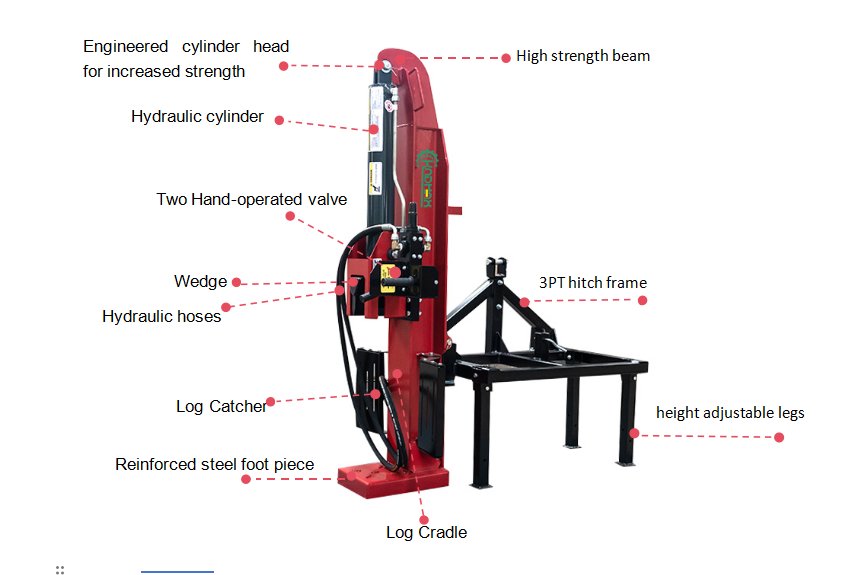
The Evolution and Efficiency of Gasoline Log Splitters in Firewood Processing
From manual axes to gas-powered automation: A revolution in firewood processing
Switching from old fashioned hand tools to those gas powered log splitters really changed how people prepare firewood. According to the Firewood Association report from last year, folks now save about 80% of the manual work compared to swinging axes around all day. Back in the day, splitting medium hardwood logs meant delivering over 40 solid hits with an axe. But these modern gas splitters? They can get clean splits done in just 3 to 5 seconds each time they run. What this means for actual users is they can chop through 2 or 3 cords worth of wood every hour instead of spending what used to be 6 to 8 long hours hacking away at logs with nothing but muscle power.
Understanding firewood processing efficiency with gasoline log splitters
Gas log splitters powered by hydraulics pack quite a punch, generating anywhere from 20 to 35 tons of force. These machines can split tough hardwoods such as oak and hickory that would give anyone using hand tools a real headache. The numbers back this up too. Some forestry folks at USDA have found that workers using these hydraulic splitters can get through around 15 to 20 logs every minute, while those chopping by hand manage only 3 to 5 at best. What makes these machines so efficient? They come equipped with automatic return features and controls designed for comfort. This means operators can keep going without stopping to rest their arms or recover from all that axe swinging, which gets pretty tiring after a while.
Why gas-powered log splitters outperform traditional hand-splitting methods
Gas engines give portable power that matches what electric models can do at 240 volts, but they don't need cords, which makes all the difference when working out in remote areas. According to testing done recently, gas powered wood splitters finish preparing firewood for the season about four times quicker than doing it manually. Plus, folks get hurt way less often too—around 62% fewer injuries according to the National Wood Fuel Alliance from last year. What really stands out about these machines is how consistent they are with torque output on those 4 to 6 horsepower engines combined with precise hydraulic control. Manual splitting just doesn't compare because there's so much variation depending on who's doing it and their strength level.
Power, Performance, and Hydraulic Force in Gas-Powered Log Splitters
Gas Engine Dynamics and Hydraulic System Integration for Consistent Splitting
Log splitters running on gas mix internal combustion engines with hydraulic systems to produce forces well over 25 tons, which makes them great for tough hardwoods such as oak and maple. The real magic happens when these machines use specific gallons per minute (GPM) flow rates along with pressure ratings usually between 2,500 to 3,000 pounds per square inch. This combination helps strike the right balance between how fast they work and how much power they deliver. Take for instance a splitter with a 13 horsepower engine connected to a dual stage hydraulic pump. Such a setup can push the splitting wedge through logs in just about 15 seconds flat, and still keep the same strong pressure going even when dealing with tricky knots or warped wood grain patterns that would stop lesser machines cold.
Tonnage and Splitting Capacity: Handling Tough Hardwoods with Ease
The amount of splitting power really depends on tonnage, which basically measures how much force gets applied across the log's surface area. Most gas powered splitters can push over 25 tons worth of splitting force, so folks can tackle those big 24 inch diameter hardwood logs without breaking a sweat. When we compare this to old fashioned manual splitting, there's a world of difference. Hydraulic systems keep maximum pressure going all through the splitting motion, which means cleaner cuts even when dealing with twisted knots or sticky resin filled wood that just refuses to split right. And let's face it, this makes a real difference in practice. Less waste ends up happening, and people actually get around 40 percent more usable firewood from their efforts compared to what they'd achieve with axes and mauls alone.
Balancing Portability and Power: Design Trade-Offs in Gasoline Log Splitter Models
When it comes to gas powered log splitters, manufacturers have figured out how to strike just the right balance between being easy to move around and packing enough punch to split logs effectively. For folks who live in homes rather than run businesses, compact vertical splitters ranging from 18 to 22 tons make sense because they're not too heavy to drag around the yard. Commercial operations need something bigger though, so they go for those big horizontal models that start at 30 tons or more. Getting the weight right matters a lot actually. Heavier frames help keep things stable when splitting really tough wood, but if a splitter has wheels for transportation, it loses about 10 to 15 percent of its splitting power. Most people who deal with all sorts of wood tend to settle on mid range splitters between 25 and 28 tons. These machines hit around 85 to 90 percent of their maximum power output and still fit nicely on standard trailers for moving them between jobsites without breaking the bank on specialized transport equipment.
Time Savings and Productivity Gains with a Gasoline Log Splitter
Cycle Time Reduction and High-Volume Output in Full Cord Processing
Gasoline powered log splitters cut down on processing time when they mix hydraulic strength with fast cycles. Manual splitting takes around 2 to 3 minutes for each log, but these machines can position, split, and retract the ram in just about 10 or 12 seconds flat. What does this mean for real world usage? An operator can get through an entire cord of firewood in less than 90 minutes something that would normally take anywhere from 8 to 10 long hours using nothing but an axe. Some horizontal models come equipped with automatic return valves which really ramps up productivity since there's no need to wait between logs during operation.
Quantifying Time Savings: Gas-Powered vs. Manual Firewood Preparation
A 2024 Firewood Efficiency Report demonstrates gasoline log splitters reduce seasonal wood processing labor by 82% compared to traditional methods. For a typical residential user cutting 4 cords annually:
- Manual splitting: 32–40 hours of intense labor
- Gasoline splitter operation: 6–8 hours with minimal exertion
The gap widens for dense hardwoods like oak or hickory, where gasoline-powered hydraulic systems maintain consistent splitting force regardless of wood density, unlike human operators whose effectiveness diminishes with fatigue.
Case Study: Residential Heating Needs vs. Commercial Firewood Production Timelines
One Vermont firewood company made the switch from hand splitting to three gas-powered splitters, which slashed their processing time for 50 cords down from around 320 man hours all the way to just 52 hours. Homeowners are seeing pretty much the same kind of results too. Most families can now split enough wood for the whole winter season (about 3 to 4 cords total) over just one busy weekend instead of spending weeks on end swinging axes here and there when they get around to it. The time savings really makes a difference for everyone involved. Business owners have extra hours to focus on deliveries and customer service while regular folks gain back valuable weekends that used to disappear into tedious wood splitting chores.
Reduced Physical Strain and Enhanced Safety with Automated Splitting
Minimizing Physical Effort: Benefits for Older Users and Frequent Operators
Gasoline powered log splitters take away all that backbreaking swinging, cutting down upper body strain by about 85% when compared to splitting logs by hand according to a study from Occupational Safety Journal in 2023. These machines are a real game changer for folks with arthritis problems or limited mobility, plus anyone who needs to split several cords of wood each week. The hydraulics do all the heavy lifting work, so people can just concentrate on getting the logs positioned right instead of wasting their strength trying to split them manually.
Ergonomic Advantages Over Axes and Mauls: Less Fatigue, Fewer Injuries
Old fashioned hand tools demand a lot of explosive force which really takes a toll on the shoulders, elbows, and wrists over time. Switching to gas powered versions makes a big difference though. These machines cut down on those annoying vibrations by around two thirds, and workers report way fewer sprains and back problems too something that drops accident rates by almost 90% according to some studies. Plus, people just don't get as tired at the end of the day since their deltoids and lower backs aren't screaming for relief anymore. Setting up proper workstations helps maintain good posture throughout the job. Try standing on uneven ground while splitting logs with an axe all day long and see how that works out! Most professionals will tell you stability is worth its weight in gold when it comes to preventing long term injuries.
Safety Features and Operational Stability in Modern Gasoline Log Splitters
Contemporary designs integrate two-handed operation controls, automatic shutoffs during hydraulic faults, and reinforced wedge guards that meet ANSI/ISO safety certifications. Wide-stance frames prevent tip-overs during operation, while vibration-dampening handles minimize accidental slips—critical upgrades from the uncontrolled kinetic energy of manual maul strikes.
FAQ
What is the main advantage of using a gasoline log splitter over manual splitting methods?
The primary advantage of using a gasoline log splitter is significantly reduced labor and time. Gasoline log splitters can handle more logs at a faster pace, saving about 80% of manual work compared to traditional methods, which allows users to process 2 to 3 cords of wood per hour.
How much force does a typical gasoline log splitter generate?
Gasoline log splitters typically generate between 20 to 35 tons of force, which is sufficient to handle tough hardwoods like oak and hickory.
Are gasoline log splitters more efficient for all types of firewood?
Yes, gasoline log splitters are generally more efficient across different types of firewood. They maintain consistent splitting force and can process logs more effectively than manual tools, regardless of wood density.
How do gasoline log splitters improve safety compared to manual tools?
Gasoline log splitters reduce physical strain by about 85%, minimize injuries with ergonomic designs, and incorporate safety features like two-handed controls and automatic shutoffs, resulting in fewer accidents compared to manual splitting.