 EN
EN

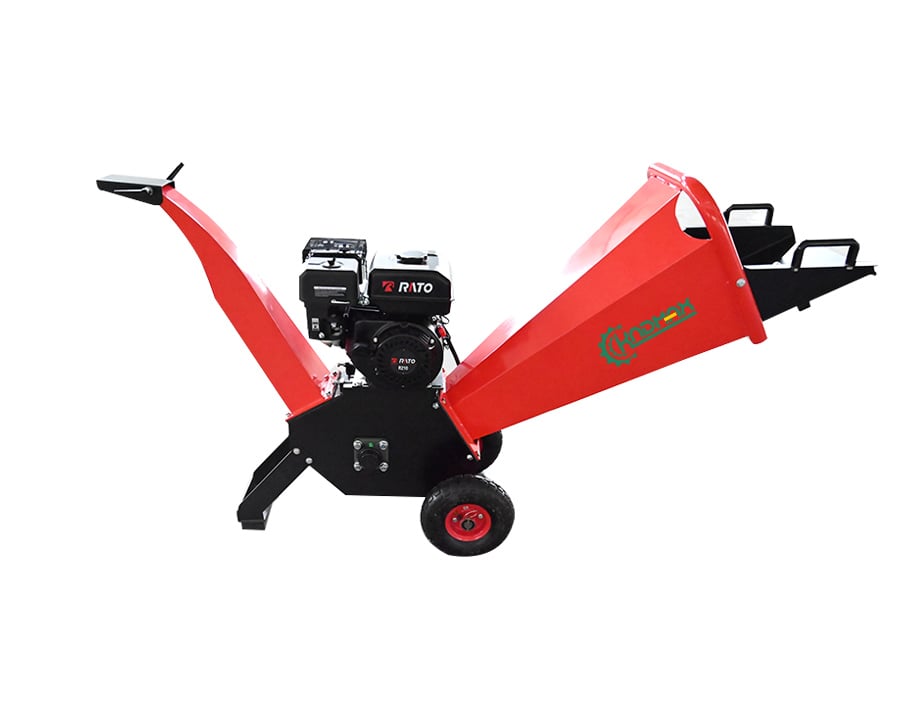
Core Differences Between Electric and Gas Shredder Wood Chippers
Power Source and Design: How Electric and Gas Chippers Work Differently
Wood chippers that run on electricity are great choices for neighborhoods where noise matters since they operate using regular wall outlets or battery power. On the flip side, gas powered versions come equipped with combustion engines which give them extra muscle when dealing with tough stuff like thick branches. Most gas models can tackle branches as wide as three inches across, whereas electric ones generally struggle beyond one and a half to two inches according to the EPA Landscaping Equipment Report from 2024. Why does this happen? Well, gas engines maintain horsepower levels between eight and twelve, while electric motors only manage around two point five to five horsepower at best. For anyone serious about cutting through really dense material, the difference in power makes all the world of difference.
Weight, Size, and Build: Physical Differences Impacting Usability
Gas powered units typically tip the scales at around 90 to 150 pounds because they need all those heavy engines and strong steel frames. Electric chippers are much lighter though, usually weighing between 30 and 50 pounds. According to research from 2023, most people find electric models easier to move around. The numbers back this up too - about 68% of users said they could easily reposition electric chippers compared to just 23% who felt the same about gas ones. When it comes to construction materials there's another difference worth noting. Nearly 80% of gas chippers have steel discharge chutes, but only about half (55%) of electric models go with polymer blends instead. These lighter materials help cut down on overall weight without sacrificing durability.
Key Performance Factors Driven by Power Type
Engine type dictates three critical metrics:
- Runtime: Gas chippers operate indefinitely with fuel refills; battery electric models last 45–90 minutes per charge
- Maintenance: Electric models require 73% fewer annual service hours (Family Handyman 2024)
- Cutting Consistency: Gas units maintain torque under heavy loads, while electric motors may stall on dense wood
Trend: Growing Popularity of Electric-Powered Yard Equipment
According to the EPA Equipment Trends Survey for 2024, electric shredder wood chippers account for about 41% of what people buy for their homes these days, which is way up from just 18% back in 2019. We're seeing this trend go hand in hand with something else interesting happening too there's been nearly a 45% jump in folks getting into urban homesteading since 2020, and they really care about machines that don't make too much noise and can fit into small spaces when not being used. On the flip side though, gas powered versions remain king among professionals working in landscaping fields. These business owners stick with them because they need equipment that can handle bigger volumes of work at once, and currently around 89% of all commercial operations still rely on those gas models despite everything going electric elsewhere.
Performance Comparison: Power, Capacity, and Task Suitability
Motor Power and Cutting Capacity: Electric vs Gas Shredder Wood Chipper Output
Electric wood chippers usually run around 12 to 15 amps when shredding branches, good enough for sticks about an inch and a half thick. Gas powered models are another story entirely though. These bad boys come equipped with engines ranging from 200 to 400cc and can chew through branches 3 to 4 inches wide without breaking a sweat. The Outdoor Power Equipment Institute did some testing back in 2023 and found this to be true across their comparisons. When it comes to actual output numbers, gas machines can tackle between 4 and 6 cubic yards per hour while electric versions struggle to reach even half that amount, topping out at roughly 2 to 3 cubic yards. For anyone dealing with large volumes of debris over extended periods, gas powered equipment remains the clear winner despite the extra maintenance requirements.
Maximum Branch Diameter and Throughput Volume by Model Type
| Metric | Electric Models | Gas Models |
|---|---|---|
| Max Branch Diameter | ≤1.75" | ≤4" |
| Chips per Hour | 20–30 lbs | 50–80 lbs |
| Ideal Runtime | <2 hours | Unlimited* |
*With refueling
Are Gas Chippers Overpowered for Residential Use?
While gas shredder wood chippers dominate commercial applications, 68% of residential users report their largest branches measure under 3" diameter (Landscape Management Journal, 2023). This aligns with electric models’ capabilities, suggesting gas units may exceed typical suburban needs—though they remain essential for storm cleanup or orchard maintenance.
Real-World Efficiency in Suburban and Rural Landscaping
Suburban yards averaging 0.5 acres see 22% faster debris processing with electric chippers due to quick startup and maneuverability. Rural operators managing 5+ acres benefit from gas models’ extended runtime, experiencing 40% fewer interruptions per acre cleared compared to electric alternatives.
Best Use Cases: Matching Shredder Wood Chipper Type to Your Property and Needs
Small Yards and Light-Duty Use: When an Electric Chipper Suffices
For folks with city gardens or smaller backyard spaces, electric wood chippers work really well. They can tackle branches as thick as 1.5 inches without making much noise at all around 68 decibels, which sounds about like running a vacuum cleaner. According to some research from Green Yard Tech last year, most people living on plots under half an acre said their electric chipper got rid of all the leaves and twigs they needed during the season. Another big plus is these machines don't need any gas stored anywhere, and when folded up vertically they take up very little room. Makes sense for those tight storage situations we all face in our sheds or garages where every square inch counts.
Large Properties and Heavy-Duty Tasks: Where Gas Chippers Excel
When it comes to rural estates and commercial operations, gas powered wood chippers really stand out compared to their electric cousins. These machines can process anywhere from 4 to 6 times more material per hour, looking at around 12 to 18 cubic yards versus just 3 to 5 for electric versions. What makes them so popular? Well, they handle branches up to 4 to 6 inches thick, which means they tackle those stubborn storm damaged limbs without breaking a sweat. Plus, most models come with tow ready designs that make moving them around big properties much easier. Take apple orchards for instance many growers swear by gas powered units during pruning season when they need to get rid of several tons worth of woody debris every week. The extra power just makes sense for these kinds of heavy duty tasks.
DIY Enthusiasts vs Professional Landscapers: Tool Selection Insights
Weekend warriors favor electric chippers’ plug-and-play simplicity, reflected in a 92% satisfaction rate in consumer studies, while 86% of landscaping pros choose gas models for uninterrupted runtime during 8-hour workdays. DIYers typically chip for under 10 hours per year, whereas contractors average 4–6 hours weekly—justifying different tolerance levels for maintenance and downtime.
Urban, Suburban, and Rural Applications Compared
| Environment | Ideal Chipper Type | Key Consideration |
|---|---|---|
| Urban (row homes) | Electric | Noise ordinances (<75 dB) |
| Suburban | Hybrid-ready | Mixed debris (leaves + 2" branches) |
| Rural | Gas | Remote operation & fuel access |
Electric models reduce fire risk in dense neighborhoods, while gas chippers’ mobility supports off-grid work. Suburban users often benefit from dual-feed chippers that handle both leafy matter and occasional 3" limbs.
Ease of Use: Portability, Setup, and Operational Simplicity
Portability and Weight: Moving Your Shredder Wood Chipper with Ease
Electric shredder wood chippers lead in portability, typically weighing 30–50 lbs versus 70–120 lbs for gas models. Their compact size allows single-person transport across flat terrain or through narrow garden gates. Gas-powered units often require wheel kits or two people to move, making them better suited for stationary, heavy-duty tasks.
Startup and Setup: Plug-and-Play vs Pull-Cord Ignition
Electric models offer true plug-and-play operation. A 2024 equipment usability study showed users save 8–12 minutes per session compared to gas units, which require fuel mixing, choke adjustments, and an average of 3–5 pull-cord attempts for cold starts. Electric variants simply connect to standard 120V outlets—ideal for quick weekend projects.
Operational Convenience in Tight or Remote Spaces
Electric chippers have a much smaller size, around 24 inches wide, making them ideal for those cramped urban side yards where bigger gas models just won't fit. On the flip side, gas powered machines tend to handle things better out in remote rural spots. Field testing shows they can process roughly two to three times as much material each hour compared to their electric counterparts. The corded versions really drag when it comes to getting around since they need to stay within about 100 feet of an outlet. Meanwhile, gas chippers roam free all day long without worrying about finding an electrical connection, which makes all the difference during extended forestry operations.
Cost, Maintenance, and Environmental Impact of Electric vs Gas Models
Upfront Cost and Long-Term Ownership Expenses Compared
When it comes to price tags, electric shredder wood chippers usually come in around $200 to $500 cheaper than their gas counterparts right out of the box. Looking at the big picture though, most people who own electric models end up saving roughly $1,500 over five years on fuel alone since electricity runs about 85% cheaper than gas. Maintenance is another area where gas powered machines really fall behind. They typically need regular tune ups costing anywhere from $400 to $700 per year for things like oil changes, new spark plugs, and fixing engine problems. Electric versions? Well they just need blades sharpened now and then plus battery replacements every three to five years which amounts to about $120 to $180 a year max. All these numbers point to one simple truth electric chippers tend to be better value proposition especially if someone doesn't plan on using them all that often throughout the season.
Maintenance Requirements: Oil Changes, Blades, and Engine Care
| Maintenance Task | Electric Chipper | Gas Chipper |
|---|---|---|
| Annual Service Cost | $120–$180 | $400–$700 |
| Fluid Changes | None | 4–6 types |
| Component Replacements | Battery every 3–5 years | 12+ engine parts |
Electric models eliminate 90% of mechanical complexity by avoiding combustion engines, requiring only basic blade care. Gas chippers demand monthly oil checks, seasonal carburetor cleanings, and frequent air filter changes—tasks responsible for 80% of user-reported operational frustrations.
Noise Levels and Neighborhood-Friendly Operation
Electric wood chippers for shredding operate around 65 to 75 decibels, which is about the same as running a dishwasher. That makes these machines pretty good for cutting wood early in the morning even in busy suburban neighborhoods. On the other hand, gas powered versions tend to go over 95 decibels, similar to what you'd hear from a motorcycle roaring past. These loud gas models frequently break local noise ordinances that typically cap sound levels at somewhere between 75 and 85 dB. The roughly 20 dB gap between electric and gas machines means homeowners can actually run their electric chippers almost three times longer during days when there are strict noise restrictions in place.
Environmental Impact: Emissions, Energy Sources, and Sustainability
Wood chippers running on gas spew out about 2.4 kilograms of CO2 every hour, which is roughly what someone would breathe out from driving their midsize SUV for around ten miles. Switching to electric versions means no direct emissions at all. When plugged into regular household electricity, these machines cut down carbon footprints by roughly 60 percent. But if someone charges them using solar panels instead, the reduction jumps to almost 90%. Most battery recycling initiatives today manage to salvage around 92% of those lithium-ion components. Meanwhile, traditional gas engines keep pumping out tiny particles that end up causing breathing problems for people living near busy city centers according to research published last year by Green Tech Impact.
FAQ
What is the main difference between electric and gas wood chippers?
Electric wood chippers are quieter and more environmentally friendly, making them ideal for small residential areas. Gas chippers offer more power, making them suitable for larger and denser materials.
Are electric wood chippers suitable for large properties?
Electric wood chippers are generally better for small yards due to their limited capacity and power compared to gas models, which are better suited for larger properties.
Do electric wood chippers require frequent maintenance?
No, electric wood chippers require less maintenance compared to gas models, with only occasional blade sharpening and battery replacement needed.
Table of Contents
- Core Differences Between Electric and Gas Shredder Wood Chippers
- Performance Comparison: Power, Capacity, and Task Suitability
- Best Use Cases: Matching Shredder Wood Chipper Type to Your Property and Needs
- Ease of Use: Portability, Setup, and Operational Simplicity
- Cost, Maintenance, and Environmental Impact of Electric vs Gas Models
- FAQ