 EN
EN

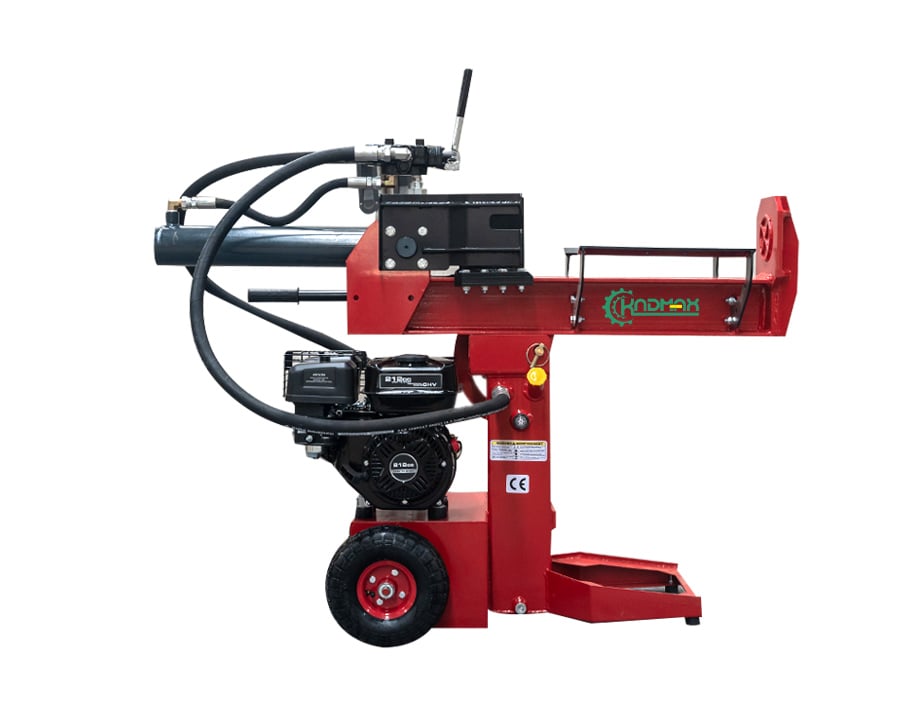
Power and Splitting Force: Matching Tonnage to Your Needs
Understanding Tonnage in Log Splitting and Its Impact on Performance
The tonnage rating basically tells us how much force a gas-powered log splitter can generate when breaking apart logs. When dealing with tough hardwoods like oak or hickory, we need something in the 25 to 35 ton range to get those clean splits without problems. For softer woods such as pine though, even a 15 to 20 ton model will do the job just fine most of the time. Splitters that don't have enough power tend to get stuck on stubborn pieces, which means folks end up having to pull them out manually. Field testing has shown this kind of situation can cut down overall productivity somewhere around 30%, so getting the right amount of power matters quite a bit for anyone doing serious splitting work.
Matching Power and Capacity to Your Wood Type and Volume
Choose tonnage based on your primary wood type and annual volume:
- 20–25 tons: Best for occasional users processing ≤ 4 cords per year of medium-density wood.
-
30+ tons: Required for hardwoods or commercial operations handling ≥ 8 cords annually.
Undersized units waste fuel and accelerate wear; oversized models add unnecessary weight and cost without benefit for light use.
How Gasoline Engines Influence Splitting Force
The torque output from gasoline engines plays a big role in how well hydraulic pumps work when splitting materials. Most 25 ton splitters run pretty good on engines around 6.5 to 7 horsepower, though bigger machines over 30 tons really need at least 8 HP just to keep those cycles going under 15 seconds between splits. Gas models have something electric ones don't they can go anywhere without needing an outlet nearby. That makes all the difference out in fields, forests, or construction sites where there's no access to electricity. Contractors love this feature because it means fewer interruptions during jobs.
Case Study: 20-Ton vs. 30-Ton Gas-Powered Splitters
| Metric | 20-Ton Splitter | 30-Ton Splitter |
|---|---|---|
| Avg. Splitting Time | 18 sec/log | 12 sec/log |
| Hardwood Success Rate | 68% | 94% |
| Fuel Use (gal/cord) | 0.9 | 1.2 |
| Ideal Annual Use | ≤ 5 cords | ≥ 10 cords |
A 2023 equipment study found that 30-ton gasoline log splitters reduced processing time by 33% for oak and maple compared to 20-ton units. However, their higher fuel consumption (1.2 vs. 0.9 gallons per cord) makes them less cost-effective for low-volume users.
Design Configuration: Horizontal vs Vertical Gasoline Log Splitters
Pros and Cons of Horizontal vs Vertical Design in Gasoline Log Splitters
The horizontal type works great for regular sized firewood pieces that are under 24 inches long. These models generally complete each split about 20 percent quicker than their vertical counterparts, making them pretty good for folks who need to split around 3 to 5 cords worth of wood every year. But there's a catch. Users have to lift the logs up onto the splitter's beam, and after doing this dozens of times, it really starts to take a toll on the lower back muscles. Vertical splitters solve this problem entirely since operators just roll those big logs measuring over 30 inches across right into position. According to what we've seen in the field, these upright models cut down on back pain by roughly 40% when dealing with extra large logs. Of course, there is a trade off here too. Most vertical splitters come equipped with heavier duty hydraulics that tend to slow things down by about one to two seconds per split compared to horizontal units.
Efficiency and Time Saved in Splitting Firewood Based on Orientation
The horizontal log splitters typically manage around 30 to 35 cycles each hour, which beats the vertical models that only hit about 25 to 28 cycles for regular cordwood work. But don't overlook what vertical splitters bring to the table. Forestry studies show these machines save roughly 18 minutes every hour that would otherwise go into manually lifting those heavy logs. Makes a big difference when someone's cutting over 15 cords a month. And there's another thing worth mentioning: vertical splitters handle rough ground much better than their horizontal counterparts, which can get stuck or jammed when working across uneven surfaces like hillsides or forest floors.
User Scenarios: When a Vertical Splitter Enhances Productivity
Vertical gasoline log splitters excel with knotty oak or maple exceeding 24" in diameter, achieving a 92% first-attempt split success rate compared to 78% in horizontal models. Landscapers working on slopes and firewood producers using whole-tree sections report 50% fewer work interruptions with vertical configurations, despite slightly slower cycling speeds.
Hydraulic Efficiency and Cycle Time Performance
The Role of Cycle Time in Overall Splitting Efficiency
The cycle time of a log splitter refers basically to the time between placing a log and when the ram pulls back after splitting it. Most efficient gas-powered models manage around 8 to 12 seconds per cycle, which translates roughly to processing 4-6 cords of wood each hour. But problems like internal leaks or pressure loss inside the system can really slow things down. We've seen cases where old seals on hydraulic cylinders caused cycle times to jump from 10 seconds all the way up to nearly 19 seconds according to some field tests. That kind of delay slashes production capacity by almost half over the course of an hour's work, making maintenance checks absolutely critical for anyone serious about getting through their winter wood supply efficiently.
Evaluating the Hydraulic System for Consistent and Rapid Retraction
Three key factors ensure fast, reliable retraction:
- Pump design: Gear pumps offer quicker cycling than piston pumps but may have shorter lifespans
- Valve responsiveness: High-flow control valves minimize lag between splitting and return phases
- Cylinder integrity: Double-acting cylinders with hardened rods maintain speed under continuous load
Units operating at 3,000–4,000 PSI hydraulic pressure generally outperform lower-pressure systems, retracting 20–30% faster during extended use.
How Fast Cycle Times Reduce Labor and Increase Throughput
Splitter machines that handle around 60 logs each hour with 10 second cycles get the job done roughly three times quicker than when someone does it manually. The shorter cycle times really cut down on how tired operators get, which matters a lot for folks who need to process more than ten cords every year. According to testing in actual work environments, splitters that can do under 15 seconds per log boost what gets done in a day by about 40 percent compared to slower models. That translates to saving somewhere between eight and ten hours total when working through twenty cords worth of wood.
Industry Paradox: High Tonnage vs. Slow Cycle Time Trade-Offs
The bigger 30+ ton wood splitters definitely handle tough hardwoods no problem, but they take longer between cycles compared to those mid range 25 ton machines. We're talking around 18 to 22 seconds versus just 12 to 15 for the smaller ones. People who split a mix of softwoods actually get about 22 percent more done with these middle weight splitters, which goes against what most folks might expect when looking at pure power specs. So it's not all about having the biggest splitter on the block. When shopping around, look for hydraulic systems that manage fluid flow efficiently and respond quickly through their valves. These features can really cut down on the time lost waiting for the machine to reset between splits, making a big difference over long days of splitting wood.
Durability, Build Quality, and Long-Term Reliability
Key Materials and Construction Standards in Durable Gasoline Log Splitters
The best quality log splitters rely on heavy duty steel beams with around 4 to 6 percent chromium mixed in, plus hydraulic cylinders made from cast iron that can handle forces exceeding fifty tons without buckling. Most top brands stick to ANSI/OPEI guidelines which specify certain minimum thickness requirements for important parts, typically setting the bar at 0.35 inches thick. When it comes to the actual splitting action, forged wedge tips with hardness ratings between 55 and 60 HRC are the gold standard. These durable components can go through well over fifteen thousand splits before needing replacement, which is actually three times longer than regular carbon steel would last under similar conditions. This kind of longevity makes a big difference in both maintenance costs and overall productivity for anyone who relies on their splitter day after day.
Long-Term Reliability of Gas Engine Specifications Under Heavy Use
According to the 2023 Heavy Equipment Durability Report, OHV engines running at around 10 to 1 compression ratio actually fail about 40 percent less frequently after 500 hours of operation compared to those old side-valve models. Now when it comes to keeping things clean inside these machines, dual stage air filters manage to stop roughly 93% of all that nasty dust buildup even in really tough conditions. And let's not forget about those forged steel crankshafts used in commercial grade equipment either. They can handle well over 3,000 straight hours of work which translates to something like twelve full years for regular home users. That kind of longevity makes a real difference in maintenance costs down the road.
| Maintenance Factor | Top-Tier Models | Budget Models |
|---|---|---|
| Average Lifespan (Proper Care) | 8–12 years | 3–5 years |
| Failure Rate (First 1k Hours) | 8% | 34% |
| Hydraulic Seal Replacements | 5–7 year cycle | 12–18 months |
Data reflects field tests of 230+ commercial operators (2024 Outdoor Power Equipment Council)
Field Data: Average Lifespan of Top-Tier Models With Proper Maintenance
Annual oil changes using SAE 30 viscosity oil and hydraulic fluid replacement every 250 hours extend service life by 62%. Operators who replace worn hoses and belts within 48 hours of failure report 80% fewer catastrophic breakdowns. Professional sawyers processing 250+ cords annually achieve 8–12 year lifespans using scheduled maintenance protocols.
Portability, Safety, and Operating Costs of Gas-Powered Log Splitters
Portability features: Wheels, towing options, and compact design
Gasoline log splitters are built for mobility, featuring welded steel frames, pneumatic tires, and integrated tow hitches for off-road transport. Mid-range models under 150 lbs can be moved by one person, while larger 30-ton units often come with trailer-ready axles for easy relocation.
Off-grid usability without electricity as a key advantage
Gas-powered splitters deliver full performance—typically 25–37 HP—without reliance on electrical outlets. A 2023 forestry equipment study found operators saved an average of 2.1 hours per day by avoiding generator setup and extension cords, a major benefit for storm cleanup crews and wildfire mitigation teams.
Essential safety features such as emergency stop and two-handed operation
Modern gasoline log splitters include critical safety mechanisms:
- Auto-return valves prevent accidental restart after each cycle
- Dual-handle activation complies with ASTM F2851-10 standards to ensure both hands remain clear of the splitting zone
- Pressure relief valves limit system pressure to safe levels (e.g., 3,000 PSI)
Routine maintenance tasks for gasoline engines and hydraulic systems
Annual operating costs range from $240 to $410 and include:
| Frequency | Task |
|---|---|
| Every 50 hrs | Inspect hydraulic filter |
| Seasonal | Replace engine oil (SAE 10W-30) |
| Every 300 hrs | Adjust valves per manufacturer specs |
Cost comparison: Ownership over 3 years across leading models
In off-grid applications, gasoline log splitters have 23% lower total ownership costs than electric models despite higher fuel expenses. A 2023 lifecycle analysis revealed:
- $740 annual cost for fuel and maintenance in gas models
- Over $1,120 for electric alternatives needing generator rentals
- Average resale value of $2,900 after three years (35% of original MSRP)
FAQ
What is the importance of matching tonnage in log splitting?
The correct tonnage ensures effective splitting without getting stuck on stubborn pieces, enhances productivity, and prevents excessive wear on the machinery.
How do gasoline engines impact splitting force?
Gasoline engines provide the necessary torque output that helps hydraulic pumps work effectively in splitting logs, allowing usage in remote areas without electricity.
When should I choose a vertical splitter over a horizontal one?
Vertical splitters are ideal for large diameter logs, reducing back strain and operating better on uneven terrain, although they may have slower cycle speeds compared to horizontal splitters.
What factors contribute to efficient cycle time in log splitters?
An efficient hydraulic pump design, responsive valves, and robust cylinder integrity are crucial for fast and consistent cycle times, enhancing overall throughput.
What safety features should gasoline log splitters have?
Critical safety features include auto-return valves, dual-handle activation for both hands to stay clear of the danger zone, and pressure relief valves to maintain safe operations.
Table of Contents
- Power and Splitting Force: Matching Tonnage to Your Needs
- Design Configuration: Horizontal vs Vertical Gasoline Log Splitters
- Hydraulic Efficiency and Cycle Time Performance
- Durability, Build Quality, and Long-Term Reliability
-
Portability, Safety, and Operating Costs of Gas-Powered Log Splitters
- Portability features: Wheels, towing options, and compact design
- Off-grid usability without electricity as a key advantage
- Essential safety features such as emergency stop and two-handed operation
- Routine maintenance tasks for gasoline engines and hydraulic systems
- Cost comparison: Ownership over 3 years across leading models
- FAQ