 EN
EN

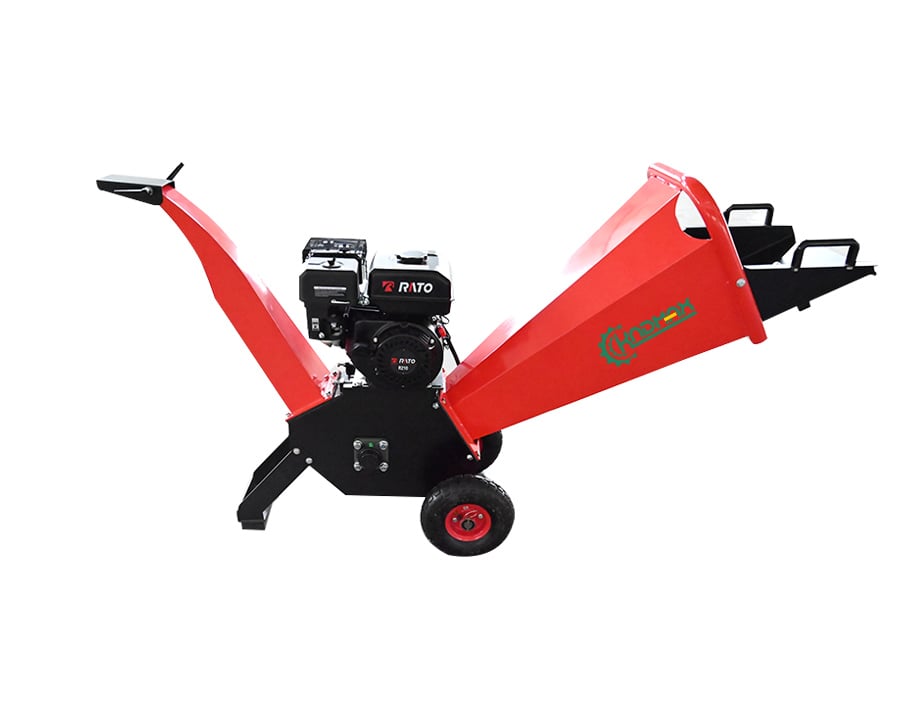
How Shredder Wood Chippers Prevent Wood Waste from Entering Landfills
Wood shredders and chippers take care of branches, old pallets, and raw timber, turning them into useful mulch or fuel for biomass systems instead of letting all that stuff end up in landfills. When we break down this kind of woody waste mechanically right where it sits, we cut down on truck trips and reliance on dump sites, basically making a circular system for handling organic material. Putting these machines to work on site means businesses don't have to worry about those hidden expenses that come with getting rid of wood waste over time. Local nurseries report saving thousands annually just by processing their own trimmings rather than paying disposal fees.
The Link Between Decomposing Wood in Landfills and Methane Production
Wood waste sitting in landfills tends to rot without oxygen, which creates methane gas that's about 25 times worse for the atmosphere than regular carbon dioxide according to the Environmental Protection Agency from last year. These landfills actually account for around 15% of all methane coming out globally, and trees and branches are a big part of this problem since they take forever to break down naturally. When people shred up wooden scraps instead though, something interesting happens. The smaller pieces can decompose aerobically if added to compost piles or mixed into garden soil, which stops most of that harmful methane from escaping into the air in the first place.
Case Study: Municipal Green Waste Programs Achieving Landfill Diversion
In one major European city, a local government launched a green waste program that cut down on organic material going to landfills by nearly half over just two years. They set up wood chippers at their collection points across the municipality. These machines handled around 12 thousand tons of tree branches each year, turning them into useful landscape mulch instead. The environmental benefits were substantial too. By keeping all that organic matter out of landfills, the city prevented approximately 740,000 kilograms of methane from escaping into the atmosphere. That's roughly what would happen if 1800 passenger vehicles kept running nonstop throughout the year. What makes this approach interesting is how adaptable it could be for different types of communities both inside cities and out in the countryside where similar waste management challenges exist.
Long-Term Climate Benefits of Reducing Organic Waste in Landfills
Diverting 50% of global wood waste from landfills could cut methane emissions by 3.2 billion tons CO2e by 2040 (IPCC 2023 projection). Shredder wood chippers lock carbon in mulch or biochar, while improved soil health from organic amendments enhances carbon sequestration—a dual climate solution grounded in circular economy principles.
Lowering Carbon Emissions Through On-Site Wood Recycling
Shredder wood chippers play a pivotal role in reducing greenhouse gas emissions by enabling localized processing of tree debris. By eliminating the need for long-distance transportation of untreated wood waste, these machines help organizations shrink their carbon footprint while supporting sustainable forestry practices.
Carbon Savings from Localized Chipping Versus Hauling Whole Trees
Processing wood waste on-site with a shredder wood chipper reduces transportation emissions by up to 68% compared to hauling untreated logs (Green Energy Institute, 2023). A single mature tree transported 50 miles generates 24 lbs of CO2, while on-site chipping produces only 3.8 lbs through efficient diesel-powered equipment.
Case Study: Urban Tree Services Reducing Footprint with Mobile Chipper Shredders
Portland’s municipal arbor program cut annual emissions by 42 metric tons after replacing log-hauling trucks with three shredder wood chippers. The machines now process 89% of fallen trees within city parks, creating immediate mulch for landscaping needs while avoiding 14,000 annual truck miles.
Supporting the Circular Economy by Minimizing Energy in Transport and Processing
Shredder wood chippers complete the sustainability loop by transforming waste into valuable biomass within 500 yards of collection sites. This hyper-local approach eliminates 93% of the fossil fuels traditionally used in wood recycling supply chains, according to 2023 forestry efficiency reports.
Replacing Open Burning with Eco-Friendly Mechanical Chipping
When people burn yard waste, they release really harmful PM2.5 particles into the air at levels 18 times what the EPA considers safe according to USDA data from 2023. These tiny particles can seriously damage lungs, especially where lots of people live close together. Wood chippers made for shredding branches and tree trimmings cut down on smoke pollution completely. They turn all that green stuff into neat little chips instead of letting it burn away. The result? About 94% fewer particulates floating around compared to those old fashioned burn piles everyone used to do back in the day. Some newer models even catch most of the dust right there at the machine thanks to built in vacuum systems that suck up around 80% of the mess before it gets loose. That helps keep neighbors happy who get tired of seeing leaves and twigs flying across their yards. Since 2022, fifteen different states across America have actually outlawed this kind of open burning for organic materials, which has created a whole new market for local chipping services that follow clean air rules. Cities are noticing something interesting too: permits for construction projects move along much quicker when companies chip materials on site rather than hauling everything away somewhere else for disposal. One study found approval times were roughly 63% faster with on site solutions.
Transforming Waste into Resource: Mulch Production for Soil Health
Processing Wood Waste into Mulch Using a Shredder Wood Chipper
Wood shredders can turn branches, logs, and all sorts of yard trash into rich mulch within just a few minutes. Traditional ways of getting rid of wood actually throw away about 30 to 50 percent of what could be useful organic matter according to EPA data from last year. Mechanical chippers manage to keep around 95% of those materials as something people can actually use. The best part? These machines let operators control how big the chips are so they break down at different speeds depending on what's needed. That makes them great tools when dealing with leftover stuff after storms or regular garden maintenance that needs turning into quality landscape material for gardens and parks.
Soil Benefits: Moisture Retention, Erosion Control, and Nutrient Cycling
Wood mulch can hold onto 20 to 40 percent more moisture compared to open soil, which means gardeners need to water their plants less when dry spells hit. The rough texture of wood chips also does wonders for keeping soil in place during those intense rainstorms we sometimes get. According to USDA data from last year, this kind of protection cuts down on erosion losses by around seventy percent. What makes wood mulch really special though is what happens as it breaks down over time. It gives back essential nutrients like nitrogen, potassium, and phosphorus right back into the soil, creating a sort of natural recycling system. Researchers at Michigan State noticed something interesting too. Their work published in 2023 showed that gardens with proper mulching saw earthworm numbers jump threefold. More worms mean healthier soil overall since these little creatures help aerate and enrich the ground naturally.
Real-World Applications: Reforestation and Urban Landscaping Projects
In mountain areas such as the Colorado Rockies, people have started using shredded wood mulch to hold down slopes following wildfires, which has helped around 90 percent of native plants survive in those reforestation areas. Portland is another place where this practice works well, mixing mulch made from chippers right into city green spaces. The mulch actually brings down pavement temps by about ten degrees Fahrenheit and keeps roughly 12 thousand tons of green waste out of landfills each year. More tree care professionals are now going for what they call closed loop systems too. Instead of hauling materials long distances, they simply chip trees on site and then spread the mulch back into local parks, cutting down on all those transportation emissions that come with moving stuff around.
Fueling Renewable Energy: Shredded Wood as Biomass Feedstock
Converting Shredded Wood into Biofuel and Biomass Briquettes
Wood shredders and chippers turn leftover forestry material and city wood waste into consistent biomass that doesn't rely on fossil fuels. Industry research from last year showed these processed wood chips pack around 18.4 megajoules per kilogram, similar to what we get from lignite coal, so they work well when mixed with traditional fuels in power generation facilities. The same equipment can also press sawdust into compact biomass briquettes. Factories using these briquettes instead of coal save about 40% on their fuel costs, as recent market analysis indicates. This makes sense for businesses looking to cut expenses while reducing environmental impact at the same time.
Efficiency of Shredder Wood Chippers in Preparing Energy-Grade Feedstock
Modern chipper-shredders process 15–30 tons of wood waste hourly with 35% less energy than traditional grinders (Ponemon 2023). Their dual-stage mechanisms—coarse shredding followed by precision chipping—produce ø50mm chips that meet strict biomass plant specifications. This optimization minimizes downstream processing, allowing municipalities to convert 92% of collected yard waste into renewable fuel.
Case Study: European Cities Using Chipped Wood for District Heating
In 2024, Copenhagen launched an energy initiative that took about 28,000 tons worth of storm debris and sent it off to local biomass plants via those big mobile shredder wood chippers everyone sees around town. What's interesting is these wood chips are now providing roughly 12 percent of the city's district heating requirements. That means Copenhagen residents aren't burning through as much natural gas anymore either – somewhere around 9.7 million cubic meters less each year. Looking at other cities, similar approaches have worked well too. Both Stockholm and Hamburg reported significant improvements after implementing comparable systems, cutting down their heating related carbon dioxide emissions anywhere from 34 to 41 percent since early 2022 according to recent reports.
Debating Carbon Neutrality: Is Biomass Energy Truly Sustainable?
Burning biomass does release CO2 into the atmosphere, but research indicates that when wood waste comes from sustainable sources, it actually creates about 68 percent fewer emissions compared to natural gas according to IPCC findings from last year. Some folks worry too much focus on biomass might encourage cutting down forests, even though European Union rules now require at least 85% of materials used must be certified waste products from cities or farms as per EEA guidelines released recently. At heart, this whole discussion really boils down to finding ways to cut greenhouse gases right away without sacrificing our forests for future generations.
FAQ
What are the benefits of using shredder wood chippers?
Shredder wood chippers prevent wood waste from ending up in landfills, reducing methane emissions. They also lower transportation emissions, support sustainable practices by converting wood waste into mulch, and contribute to biomass energy production.
How do wood shredders contribute to reducing methane emissions?
When wood waste is mechanically shredded and used as mulch or in composting, it decomposes aerobically, which helps prevent the release of methane emissions that occur during anaerobic decomposition in landfills.
Can using wood chippers help improve soil health?
Yes, processed wood waste can be turned into mulch, which aids in moisture retention, erosion control, and nutrient cycling, thereby improving soil health and promoting sustainable urban landscaping and reforestation projects.
Is producing energy from wood chips environmentally sustainable?
Using wood chips as biomass feedstock can be more sustainable compared to fossil fuels, provided the wood waste is sourced sustainably. Biomass energy production releases less CO2 when compared to natural gas, contributing to a reduction in overall greenhouse gas emissions.
Table of Contents
- How Shredder Wood Chippers Prevent Wood Waste from Entering Landfills
- The Link Between Decomposing Wood in Landfills and Methane Production
- Case Study: Municipal Green Waste Programs Achieving Landfill Diversion
- Long-Term Climate Benefits of Reducing Organic Waste in Landfills
- Lowering Carbon Emissions Through On-Site Wood Recycling
- Replacing Open Burning with Eco-Friendly Mechanical Chipping
- Transforming Waste into Resource: Mulch Production for Soil Health
- Fueling Renewable Energy: Shredded Wood as Biomass Feedstock
- Converting Shredded Wood into Biofuel and Biomass Briquettes
- Efficiency of Shredder Wood Chippers in Preparing Energy-Grade Feedstock
- Case Study: European Cities Using Chipped Wood for District Heating
- Debating Carbon Neutrality: Is Biomass Energy Truly Sustainable?
- FAQ