 EN
EN

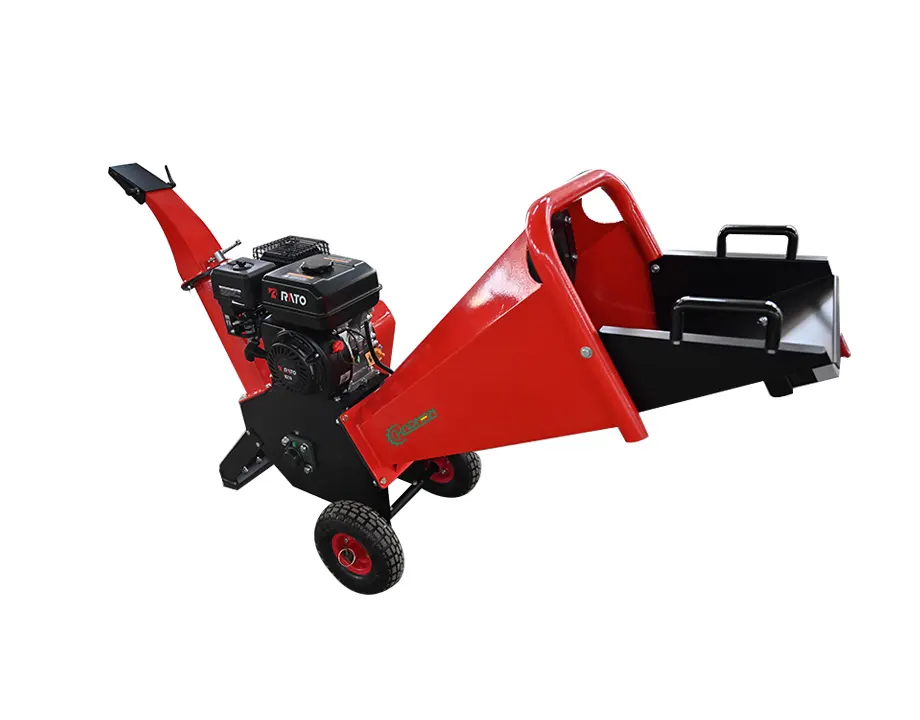
Fuel and Energy Consumption by Power Type for Small Wood Chippers
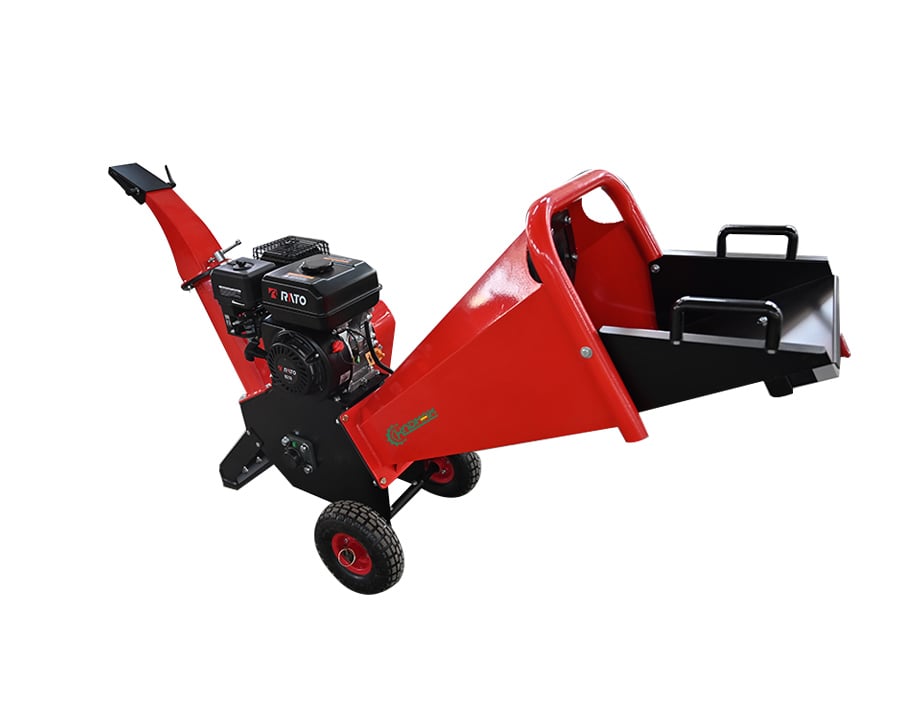
Gasoline Models: Typical GPH Ranges, Load Dependency, and Efficiency Factors
Most small gas wood chippers burn somewhere between half a quart to a full pint of fuel each hour, though residential units tend to average around three tenths of a gallon when doing regular jobs. Fuel consumption jumps quite a bit when pushing through tough materials like oak or maple at max power, sometimes using twice as much gas as when cutting softer stuff like branches from pine trees. Keeping things running efficiently depends on several factors. Sharp blades matter a lot actually, since dull ones can really eat into fuel economy, maybe even increasing usage by a quarter. Clean air filters and good engine tune-ups also count for something. Take a standard 7 horsepower chipper for instance. It'll usually stick around the 0.3 gallon mark most of the time, but once it's working over 85% capacity, expect it to guzzle closer to half a gallon per hour. Regular upkeep makes all the difference too. Replacing spark plugs after about 100 hours of runtime and changing oil on schedule keeps the engine burning clean and lasts longer overall.
Electric Small Wood Chippers: kWh/h Usage, Circuit Requirements, and Grid vs. Generator Impact
Small electric wood chippers typically consume between 1.2 to 2.1 kilowatt hours each hour, though this varies based on motor size and what kind of material they're processing. Most standard 15 amp models need their own dedicated 110 volt circuit so they don't trip breakers. For those drawing over 14 amps, folks usually need a generator with extra capacity—at least 20% more power—to handle the strain when feeding larger branches. Running these machines off regular household electricity saves around 30 to 50 percent compared to gas powered equivalents each hour. Portable generators rated below 2000 watts actually waste about 15 to 25% of their energy converting it, which increases overall power consumption. Still, even after accounting for this loss, electric versions remain about 25% cheaper to run intermittently than diesel alternatives. Another plus point? They stay well under 85 decibels, so they won't cause headaches in neighborhoods or areas where noise restrictions apply.
Total Running Cost Comparison of Small Wood Chippers
Per-Hour Operational Cost Breakdown: Fuel/Electricity, Labor, and Consumables
When looking at operating costs, we need to consider energy expenses, labor requirements, and those little things they call consumables, not just fuel or electricity by themselves. Let's break it down: Gas powered machines typically burn around 0.2 to 0.3 gallons per hour when working moderately hard, which comes out to roughly 80 cents to a dollar and twenty each hour based on what gas costs these days in America. Electric versions generally eat up about 1.5 kilowatt hours every hour, so the running cost ends up somewhere between 18 cents and 45 cents an hour depending where exactly someone happens to be located geographically speaking. Labor remains the biggest wild card factor though. Good skilled workers aren't cheap either, charging anywhere from $25 to $40 for their time. And then there are all those small but necessary things like hydraulic fluids, various lubricants, and replacement belts that keep everything running smoothly. These maintenance items usually tack on another half dollar to $1.50 per hour regardless of whether the machine runs on gas or electricity.
Maintenance Cost Drivers: Blade Sharpening, Filter Replacement, and Oil/Spark Plug Intervals
Recurring maintenance accounts for 14% of total ownership costs—and neglecting it increases long-term expenses by 29%. Critical intervals include:
- Blade sharpening: Every 25–50 hours ($15–$20/service)
- Air and oil filters: Every 100 hours ($10–$35/filter)
- Hydraulic and engine oil changes: Quarterly (hydraulic oil ~$20/gallon; engine oil ~$5/quart)
- Spark plugs: Annual replacement for gasoline models ($5–$15)
Proper adherence to these schedules sustains performance, reduces downtime, and protects equipment value.
Real-World Performance Data from a Leading Small Wood Chipper Manufacturer
Qingdao KNDMAX KX-150 (Gas): Verified 0.32 gal/hr at 75% Load and $0.41/hr Fuel Cost
Tests show that today's gas-powered chippers actually save money when used regularly. Take the KNDMAX KX-150, which is rated at 7 horsepower for home use. When running at around three quarters power during normal branch cutting tasks, it burns about a third of a gallon every hour. With current fuel prices across America, this works out to roughly 41 cents an hour spent on gas, which beats older models by about 15%. Why? Manufacturers have improved several aspects including better carburetor tuning, smoother moving parts inside the engine, and components made with much tighter specifications. These changes add up to real savings over time, especially important for people who need their chipper working hard week after week.
KNDMAX KX-E9 (Electric) vs. Comparable Diesel Units: Efficiency, Noise, and Duty-Cycle Advantages
Take a look at the KNDMAX KX-E9 and see why so many pros are switching to electric chippers these days. Running at just 83 dB(A), this model is about 30 percent quieter than similar diesel models. That makes all the difference for jobs in areas with strict noise regulations that limit traditional combustion engines. The machine uses around 2.1 kilowatt hours per hour when working continuously. Even better, when hooked up to a portable generator, it still manages to save about 25% on energy costs compared to diesel machines during those frequent starts and stops we all deal with on site. What really stands out though is the instant torque response. This means operators can run longer without worrying about overheating issues, which definitely matters for crews working in city environments or near residential areas where both noise and heat are concerns.
Frequently Asked Questions
-
What factors affect the fuel consumption of gasoline wood chippers?
Sharp blades, clean air filters, proper engine tune-ups, and regular maintenance such as spark plug replacement and oil changes play crucial roles in determining fuel efficiency.
-
How does electric chipper power usage compare to gasoline models?
Electric chippers generally consume less power per hour and are cheaper to operate intermittently compared to gasoline or diesel variations, especially when running off household circuits.
-
What are common maintenance intervals for small wood chippers?
Important maintenance tasks include blade sharpening every 25-50 hours, filter replacements every 100 hours, quarterly oil changes, and annual spark plug replacements for gasoline models.
-
Why choose electric over diesel machines?
Electric chippers are quieter, saving significantly on energy costs, and offer better torque response and efficiency in noise-restricted areas.