 EN
EN

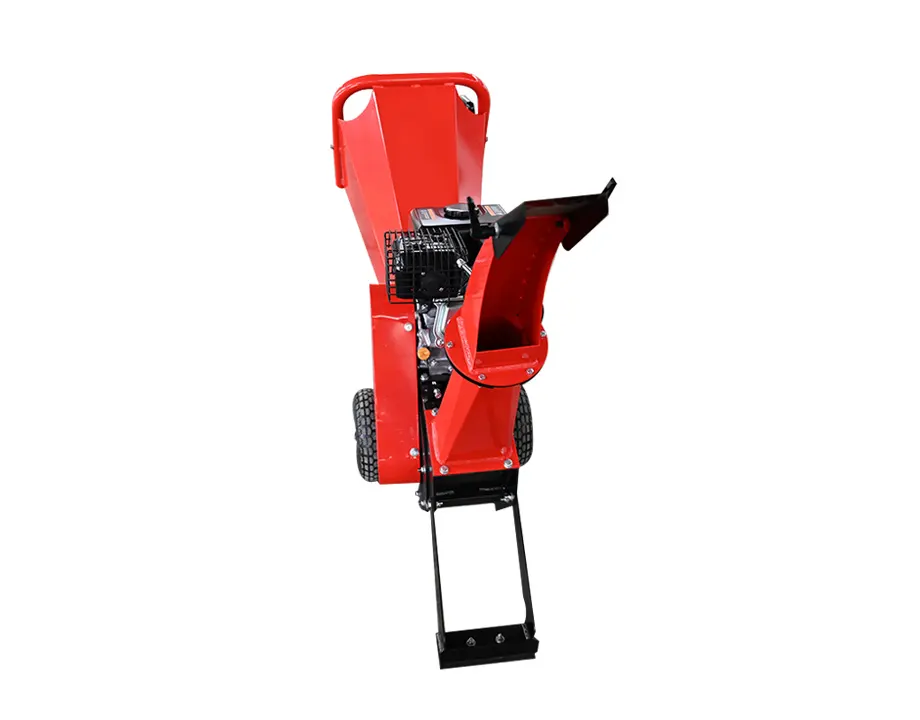
Why a Small Wood Chipper Solves Core Seasonal Yard Challenges
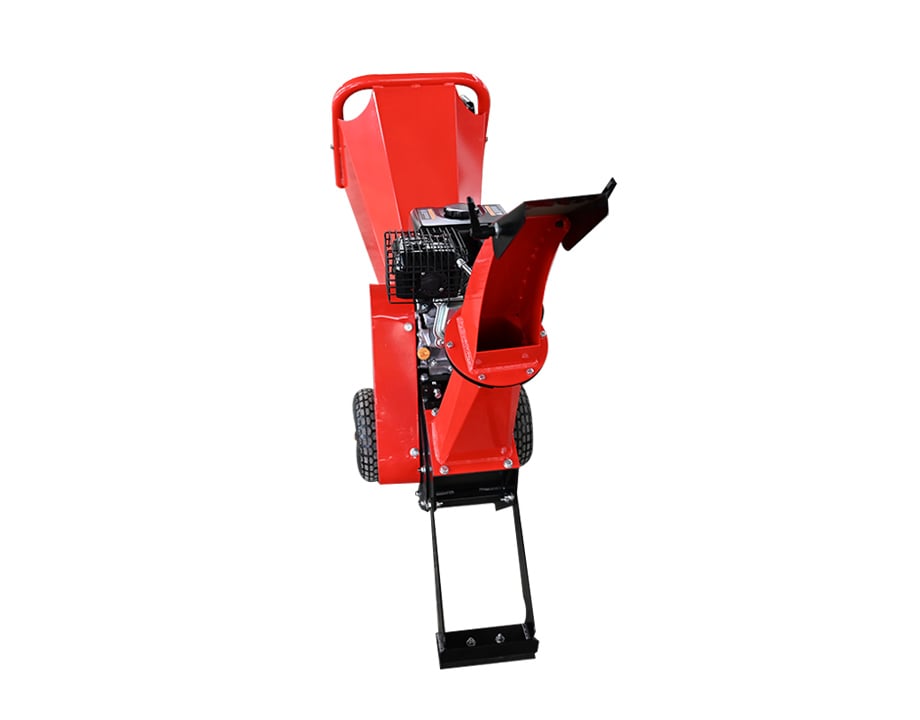
Volume Reduction: How Small Wood Chippers Cut Debris by 75-90% for Faster Cleanup
Yard work through the seasons creates tons of branches, leaves, and all sorts of trimmings that fill up garbage bags, jam up curbside pickups, and take forever to clean up manually. The solution? Get a little wood chipper right there in the yard. These machines cut down on debris volume somewhere between three quarters to almost all of it, turning those big piles into something useful like mulch for gardens. Imagine going from ten heavy bags of branches down to maybe just one or two filled with rich, earthy chips instead. That saves loads of time compared to the old ways of raking everything up, stuffing it into bags, then dragging them out to the curb. And let's be honest, nobody wants to deal with this mess when storms drop branches everywhere or after a big pruning session in spring when everything seems to fall off trees at once.
Seasonal Fit: Ideal for Fall Leaf-Branch Mixes and Spring Pruning Waste in Zones 5-8
Designed specifically for the kinds of yard waste we see in temperate regions (think USDA Zones 5 through 8), small wood chippers tackle those seasonal chores that pile up around homes. During autumn months, these machines get busy dealing with the tough mix of crispy brown leaves mixed with wet, bendy branches that just stop working with regular vacuum blowers or get stuck in basic shredders. When spring arrives, they come back into action processing all that fresh green stuff from trimmed bushes, flower beds, and saplings before plants start growing too thick to reach easily. The smaller size makes them great for navigating narrow spaces in backyards, along driveways, and even on garden paths where bigger equipment simply won't fit. Homeowners find they work best right when the mess is at its worst, matching up nicely with how people actually tend their gardens throughout different seasons.
Key Performance Features of a High-Efficiency Small Wood Chipper
Dual-Stage Cutting System: Enhanced Throughput for 3-5 cm Branches at 1.8 m³/h
Dual stage cutting systems work really well because they split the chipping job into two main steps. First off, those tough rotating blades can actually break apart branches as thick as 5 centimeters. Then comes the second stage where special cutters take what's left and turn it into nice even pieces around 10 to 15 millimeters across. With this two step process, most people find they can handle about 1.8 cubic meters per hour. That means clearing all the regular pruning stuff from a 2 acre yard takes less than ninety minutes. The whole thing runs on a solid 7 horsepower engine built to keep going strong even when faced with stubborn hardwoods. Compared to old single stage models, this setup manages to reduce materials down at a 15 to 1 ratio while saving roughly 30 percent in energy costs. Some smart design touches make a big difference too. For instance, the automatic feed system adjusts blade speeds depending on how dense the branches are, which cuts down jams by almost two thirds and adds about 400 extra hours before parts need replacing. What comes out at the end is uniformly sized mulch perfect for putting back into gardens, improving soil quality, or stopping erosion problems around properties.
Safety, Simplicity, and Smart Design in Modern Small Wood Chipper Models
Auto-Reverse Technology vs. Manual Jam Clearance: Balancing Safety and Reliability
Most top quality small wood chippers these days come equipped with auto reverse tech, and honestly it makes all the difference. The sensors kick in when something gets stuck in the feed path, flipping the blades around almost immediately to clear jams within about four or five seconds flat. No need to stop everything, pull the plug, and dig through whatever got jammed inside, which can be pretty dangerous since folks might still get too close to those spinning parts. A recent report from the Arboricultural Equipment Safety folks found that this feature cuts down on injury rates related to jams by roughly two thirds. Sure, some people prefer manual clearance because it's mechanically straightforward, but newer models usually have both options built in. Auto reverse handles most situations automatically, while there's still that old school manual override button for those really stubborn jams nobody expects. This dual approach keeps things running smoothly and adds another layer of protection, especially important during fall cleanup when branches mixed with leaves create all sorts of unpredictable messes.
Cost Efficiency and Long-Term Value of Owning a Small Wood Chipper
Getting a small wood chipper pays off pretty quickly in real dollars and cents, plus there are all sorts of other benefits too. People who own these machines instead of renting them save money on those ongoing rental charges and cut their green waste disposal costs by maybe as much as 90%. Most folks actually start seeing a return on investment within one or two seasons, especially if they process over three cubic meters of stuff each year. Take this simple math: avoiding just five trips to the dump each month can save around $325 yearly when factoring in both dumping fees and transportation costs. The real advantage though comes when something unexpected happens, like after a storm when branches need removing or when pruning gets delayed. No waiting for equipment availability or dealing with scheduling conflicts anymore. Plus, all those chips turn into great mulch material for gardens, improves soil quality, or makes good compost. Over time, this helps maintain property values and keeps things looking nice without anyone really noticing how it happened.
Frequently Asked Questions
What size branches can a small wood chipper handle?
Small wood chippers can typically handle branches up to 5 centimeters in thickness using dual-stage cutting systems.
Are small wood chippers suitable for all seasons?
Yes, they are ideal for dealing with seasonal yard waste such as fall leaf-branch mixes and spring pruning debris, especially in USDA Zones 5 through 8.
How does auto-reverse technology improve safety?
Auto-reverse technology automatically clears jams within seconds, reducing the risk of injury associated with manual jam clearance.