 EN
EN

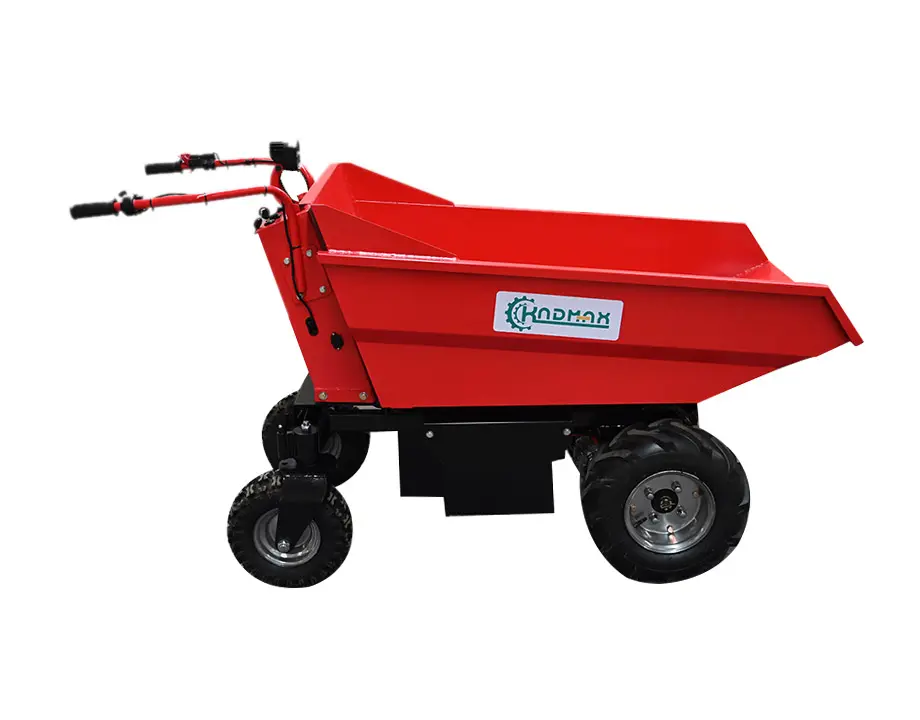
Electric Mini Dumper Operating Cost Breakdown
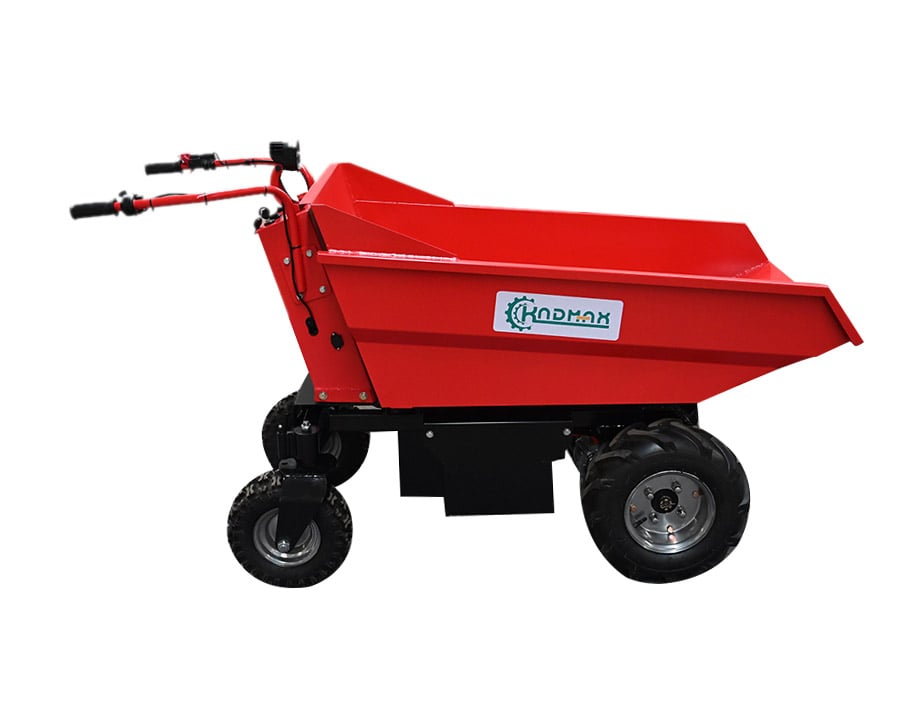
Hourly energy cost: electricity vs diesel/gasoline
Switching to electric mini dumpers can really cut down on energy costs. Take a look at the numbers: electricity in the US averages around $0.12 per kWh while diesel prices have been bouncing around between $3.50 and $4.80 per gallon since 2022. Running an electric model costs about $1.80 per hour compared to over $6.50 for similar diesel machines. The jump in fuel price instability is pretty staggering too. According to Global Construction Analytics data from 2024, fuel price fluctuations went up by 37% since 2021 because of all those global conflicts and supply issues. Electricity bills don't swing nearly as wildly though, which means operators aren't hit with unexpected budget blows when prices spike. For someone working their dumper about 2,000 hours a year, these savings add up to well over $9,400 annually. That's actually quite close to almost a third of what the machine originally cost.
Battery lifecycle, replacement timing, and charging infrastructure ROI
Lithium iron phosphate batteries, or LiFePO4 for short, keep around 80% of their original power even after going through 2000 complete charge cycles. That usually means they last between 5 to 7 years when used normally day to day. The price tag for replacing them sits somewhere between $3200 and $4500, but most folks find this cost gets eaten up over time thanks to all those saved bucks on fuel and regular maintenance throughout the battery's life. Setting up Level 2 charging stations does require spending anywhere from $5k to $12k initially. Still, studies indicate businesses typically see their money back within just three years because workers can operate longer without stopping for refuels. Getting rid of those fuel stops alone gives about 45 extra minutes each day for actual work. Charging smart during cheaper electricity hours saves another 11 to 15% annually on power bills. And companies that stop using backup generators save roughly 19% overall in running costs according to research from the US Department of Energy published last year.
Fuel-Powered Mini Dumper Operating Cost Breakdown
Fuel price volatility and its impact on predictable budgeting (2022–2024)
Fuel is still by far the biggest money pit when it comes to running those little diesel and gas powered dump trucks. We saw fuel prices bouncing all over the place between 2022 and mid-2024, sometimes jumping as much as 40% from one year to next because of wars in the Middle East and shipping bottlenecks worldwide. Contractors had no choice but to pad their project budgets with around 15 to maybe 20 percent extra cash just in case. The whole situation makes it really tough to plan ahead for projects that take months or even years to complete. Money disappears fast when prices spike unexpectedly. Electric alternatives tell a different story altogether. With these machines, companies can basically set their energy costs in stone thanks to stable electricity rates or solar panels installed at job sites. But traditional fuel burning equipment keeps throwing curveballs at operators who try to predict what their next month's expenses will look like.
Maintenance frequency, consumables, and engine-related downtime
Keeping internal combustion engines running requires quite a bit of regular maintenance work. Most operators need to change oil between 100 to 200 operating hours, swap out air filters about once each quarter, and service those pesky spark plugs at least once a year. Just for these basic parts alone, businesses typically spend anywhere from $500 up to around $1,200 yearly. When things do go wrong, engine problems are responsible for roughly 60 percent of all unexpected equipment shutdowns. Fixing these issues usually takes anywhere between three days straight through seven full workdays, causing serious disruptions in production schedules. Technicians spend about 30% more time diagnosing problems and figuring out solutions for gas powered machines compared to their electric counterparts. Electric models simply don't have those complicated transmission systems, exhaust pipes, fuel injectors, or elaborate cooling mechanisms that require so much attention. This lack of moving parts makes maintenance far easier overall while making electric engines much more dependable in the long run.
Three-Year Total Cost of Ownership Comparison
TCO model: acquisition, energy, maintenance, uptime, and residual value
Total Cost of Ownership (TCO) reveals the true economic picture beyond sticker price. For mini dumpers, the 3-year TCO model evaluates five key dimensions:
- Acquisition: Initial purchase investment
- Energy: Ongoing electricity or fuel consumption
- Maintenance: Parts, labor, and scheduled service
- Uptime: Productivity losses from breakdowns or refueling
- Residual Value: Estimated resale value after depreciation
Total Cost of Ownership works out like this: TCO equals what we pay upfront plus all those ongoing costs for energy, maintenance, and keeping things running smoothly minus whatever value remains at the end. According to Plant Engineering from last year, what most people think matters most when buying equipment actually makes up just around 30 to 40 percent of what something costs over three years. The real money comes from day to day operations. Electric versions might cost about 15% more initially, but they save plenty down the road because they need less power, require fewer repairs, rarely break down unexpectedly, and hold their value better than traditional models. These factors usually mean better overall value despite the higher starting price tag.
Real-world validation: Electric vs gasoline mini dumper fleet data (2023)
Despite higher acquisition costs, the electric fleet achieved a 28% lower 3-year TCO ($45,000 vs $62,500). Reduced mechanical complexity directly lowered maintenance frequency and failure rates, while consistent availability minimized schedule slippage. Stronger residual values–driven by tightening emissions regulations and growing buyer preference for zero-emission equipment–further improved lifecycle economics.
Non-Financial Trade-Offs Impacting Electric Mini Dumper Adoption
The total cost of ownership isn't everything when it comes to adopting new technology. There are other important considerations that matter just as much for operations that need to meet strict regulations. Electric vehicles produce no exhaust fumes, which means they can be used inside buildings and comply with those special low emission zones in cities. This makes all the difference for places like hospitals, old neighborhoods, and projects aiming for LEED certification. The machines also run quietly below 70 decibels, so neighbors don't complain about noise pollution and there's no risk of getting fined at sensitive locations. Still, getting the infrastructure right is a big challenge. Charging takes around eight hours normally, which can really mess up operations running multiple shifts throughout the day. Many construction sites far from civilization simply don't have enough electrical power to support fast charging stations either. Regulations definitely point toward going electric these days, with rules from the EPA and various states pushing for zero emission vehicle purchases. But before making the switch, companies should look closely at their specific charging needs. Smart strategies work best here, like combining electric equipment with portable solar chargers or focusing first on projects where electricity access is good and usage rates are high. This approach helps get the most out of electric tech while smoothing out the bumps during transition periods.
FAQ Section
What are the cost benefits of electric mini dumpers over fuel-powered ones?
Electric mini dumpers offer significant cost savings in terms of energy, maintenance, and downtime. With electricity rates more stable than fuel prices, they provide predictable budgeting, and the lack of frequent maintenance lowers the operating costs considerably.
How long do the batteries of electric mini dumpers last?
The lithium iron phosphate batteries typically last between 5 to 7 years, retaining about 80% of their original power after 2000 charge cycles.
What are the challenges associated with electric mini dumpers?
The major challenges include establishing adequate charging infrastructure, especially at remote sites, and the time required for charging, which can impact multi-shift operations.
How do electric mini dumpers perform under real-world conditions?
A field study demonstrated that electric mini dumpers have a 28% lower 3-year total cost of ownership and perform consistently, offering improved lifecycle economics.