 EN
EN

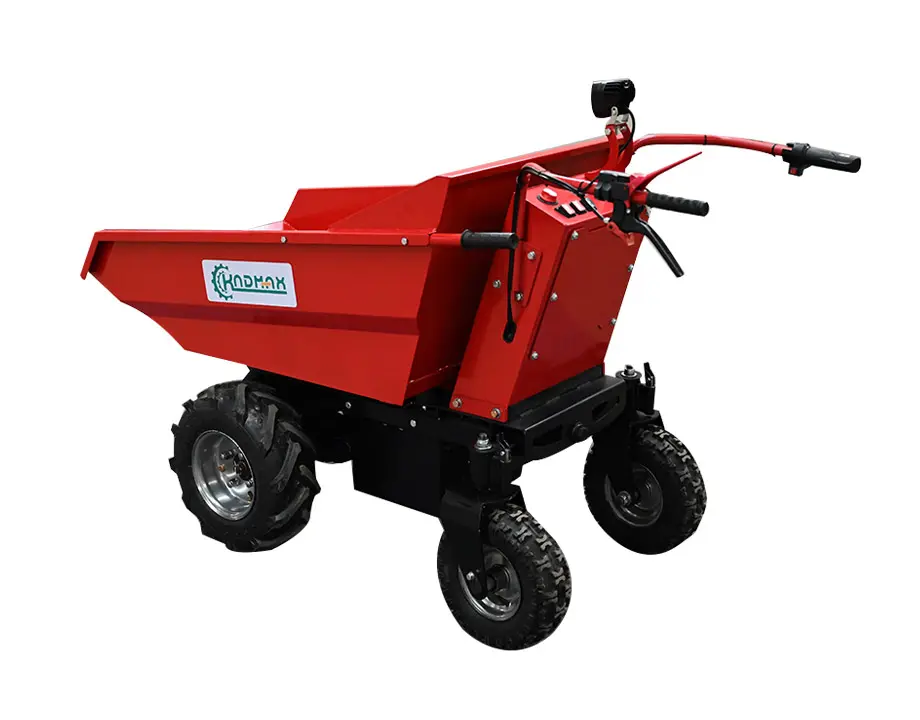
What Is an Electric Mini Dumper – And Why It's Gaining Traction in Urban and Indoor Construction
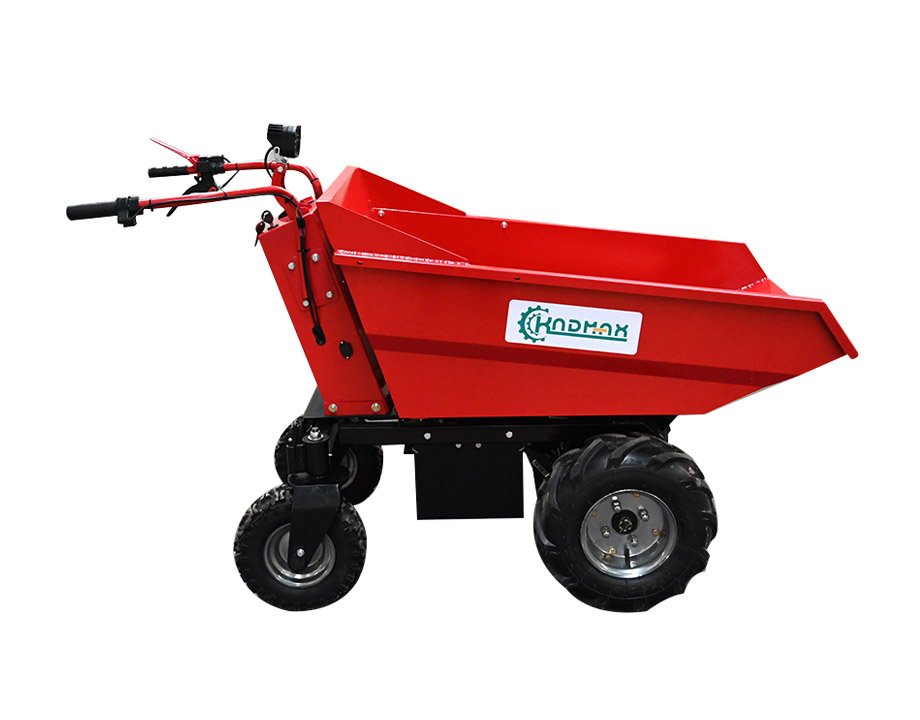
The electric mini dumper stands out as a small but powerful workhorse built specifically for tight spaces. What sets it apart from old school diesel versions? No exhaust fumes whatsoever plus super quiet running at around 70 decibels or lower. That makes these machines perfect for working inside buildings during remodeling projects, hospital settings, or anywhere noise limits apply in city environments. The body is really slim too, usually narrower than 90 centimeters across, and turns on a dime with radii often less than a full meter. Workers can easily maneuver through standard door frames, elevator shafts, and crowded construction areas where bigger machinery simply won't fit.
Three factors drive its rapid adoption:
- Sustainability mandates: Cities like London and Berlin now enforce ultra-low emission zones (ULEZs), banning diesel equipment near schools or residential areas.
- Labor shortages: Replaces 3–4 workers manually moving debris with wheelbarrows, cutting project timelines by up to 30%.
- Indoor viability: Eliminates toxic fumes and reduces vibration damage to finished structures during interior demolition.
As urban density increases and environmental regulations tighten, this niche solution fills critical gaps in material logistics.
Key Advantages of the Electric Mini Dumper: Zero Emissions, Low Noise, and High Maneuverability
Eco-Friendly Operation for Indoor and Sensitive Environments
Electric mini dumpers don't produce any exhaust fumes at all, which makes them absolutely essential for work inside buildings like construction sites, hospitals, schools, or anywhere else where clean air matters. The fact that they run without emitting anything means there's no risk of violating local air quality standards either. Plus, city planners are getting stricter about environmental regulations these days. Some recent studies looking at how well construction works have found something interesting too. These electric machines actually cut down operating expenses by roughly 30 percent when compared to their gas powered counterparts. That kind of savings adds up over time while keeping things green at the same time.
Quiet Performance Enables Use in Noise-Restricted Zones
Electric mini dumpers operate under 70 dB, which is actually quieter than most normal conversations happen between people standing close together. These machines comply with strict noise rules found in neighborhoods and during overnight construction work. The fact that they run so quietly means materials can be moved around all day long without bothering local shops or restaurants, something that often becomes a problem when using older machinery. Contractors report being able to work roughly 40 percent longer in areas where loud noises are restricted, according to industry reports from several construction sites across different cities last year.
Compact Design and Tight-Turn Radius for Confined Job Sites
Electric mini dumpers that are less than 90 cm wide can easily move through tight spaces where bigger machines just won't fit. These little workhorses have amazing turning abilities that let them make full 180 degree turns in just over a meter of space. What does this mean? Less time wasted trying to reposition equipment on job sites. Contractors report cutting down material handling times nearly in half when working in cramped conditions like basements or crowded city streets. Plus, these compact machines leave far less damage behind on delicate surfaces compared to their larger counterparts.
Electric Mini Dumper vs. Traditional Alternatives: Comparing Performance, Cost, and Compliance
Diesel Mini Dumpers: Higher TCO and Regulatory Limitations
The operational headaches for diesel alternatives keep getting worse, especially when looking at city environments. The whole reliance on fuel makes owning these vehicles expensive stuff. According to some research from Ponemon back in 2023, diesel vehicles actually end up costing around 40% more over their lifespan compared to electric ones because they need so much maintenance and burn through fuel faster. And things are getting tighter for diesel engines too. These days, those Low Emission Zones across Europe are really limiting where diesel can go. About three out of four European cities have restrictions now, and similar rules are popping up in more American metropolitan areas according to NRDC data from last year. What does this mean? Well, businesses either have to shell out big bucks for retrofits or risk shutting down operations right when they need them most.
Manual Wheelbarrows and Hand Carts: Labor Intensity and Productivity Gaps
Trying to handle materials manually just doesn't cut it when compared to electric equipment on complicated job sites. Take moving one ton of stuff around - doing this with wheelbarrows takes about 45% more time from workers than simply using an electric mini dumper. And all those extra hours mean projects get delayed, plus there's a much higher chance someone might get hurt. When working in tight spots such as basements being renovated, regular push carts simply cannot offer the same kind of stable loading or good performance going uphill that electric dumpers provide. These differences really add up when finding enough workers is already tough. Construction companies have noticed their productivity drops by nearly 40% during busy seasons when they rely too much on manual labor according to Engineering News Record from last year.
Selecting the Right Electric Mini Dumper: Load Capacity, Battery Life, and Terrain Compatibility
Matching Payload (300–800 kg) and Battery Range (6–12 hrs) to Your Workflow
Before picking out an Electric Mini Dumper, it makes sense to think about what kind of materials will be moved around most often. The lighter models that can carry between 300 and 500 kilograms are good enough for basic garden work or small landscaping jobs. But when dealing with heavier stuff like concrete rubble or compacted earth, look at machines rated for 700 kilograms or more. How long the battery lasts really matters too. Machines with six hour run times get the job done okay for half day tasks, but workers need something better if they're going all day without breaks. Trying to push beyond capacity just drains power quicker, sometimes cutting runtime down by almost a third. That's why many operators prefer dumpers with replaceable batteries that can be swapped out quickly during work hours instead of waiting for them to recharge.
Evaluating Drive Systems for Gravel, Concrete, or Uneven Surfaces
The type of drive mechanism makes a big difference when it comes to adapting to different kinds of terrain. Machines with rigid wheels work best on hard surfaces like concrete or packed dirt, where they can move around at least 25% quicker than other options. When dealing with gravel paths or softer soils, equipment with articulated axles tends to handle corners better without losing grip. Tracked machines really shine on steep slopes over 15 degrees angle, cutting down on slippage problems by roughly 40% compared to standard wheels on shaky ground. Anyone working in muddy conditions should definitely consider investing in good quality all terrain tires featuring those deep tread patterns. These help prevent getting stuck completely in situations where regular tires would just spin uselessly.
FAQ
What is an electric mini dumper?
An electric mini dumper is a compact and eco-friendly construction vehicle designed to transport materials in tight and noise-sensitive spaces. It operates without emitting fumes, making it suitable for indoor and urban use.
Why are electric mini dumpers gaining popularity in urban construction?
Electric mini dumpers are becoming popular due to their zero emissions, low noise levels, and high maneuverability, all of which are essential features for operations in urban settings where there are stringent environmental regulations and noise restrictions.
How do electric mini dumpers compare to traditional diesel alternatives?
Compared to diesel alternatives, electric mini dumpers have a lower total cost of ownership (TCO), produce no exhaust fumes, and create much less noise, making them suitable for environments with strict emission and noise regulations.
What factors should be considered when selecting an electric mini dumper?
When selecting an electric mini dumper, consider payload capacity, battery life, and terrain compatibility. These will determine the dumper's suitability for specific tasks and environments.
Are electric mini dumpers cost-effective?
Yes, electric mini dumpers are generally more cost-effective in the long run as they incur lower operational costs, have reduced maintenance needs, and help comply with environmental regulations, which can decrease penalties and retrofitting costs.
Table of Contents
- What Is an Electric Mini Dumper – And Why It's Gaining Traction in Urban and Indoor Construction
- Key Advantages of the Electric Mini Dumper: Zero Emissions, Low Noise, and High Maneuverability
- Electric Mini Dumper vs. Traditional Alternatives: Comparing Performance, Cost, and Compliance
- Selecting the Right Electric Mini Dumper: Load Capacity, Battery Life, and Terrain Compatibility
- FAQ