 EN
EN

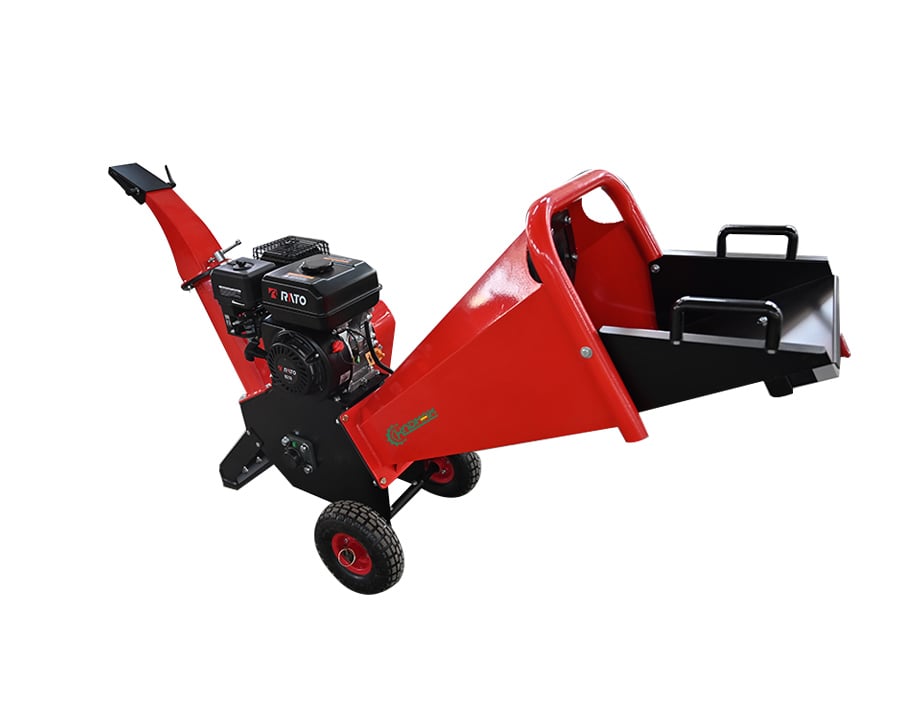
Chipping Capacity: How Design Engineering Drives Performance Leadership Among Wood Chipper Manufacturers
Disc, Drum, and High-Torque Roller Systems: Throughput Benchmarks (TPH) and Material Handling Strengths
How engineers approach design work plays a huge role in determining whether a wood chipper company can stay ahead in production numbers. Disc type machines are great for softwoods when there's a lot to process, typically moving between 25 to 40 tons each hour while keeping those chips pretty uniform in size. But these discs just don't handle those tricky forked branches or oddly shaped pieces very well. Drum systems tend to perform better with tougher hardwoods and bigger chunks of debris, managing around 18 to 30 tons per hour even when things get heavy. However, they run into problems with stuff like vines or damp bamboo that gets tangled up. The newer high torque roller designs offer much better control over feeding different kinds of material together, which cuts down on jamming incidents by about 40 percent compared to older models. They do require more attention during maintenance though. Looking at actual throughput numbers shows something interesting too. The best performers aren't necessarily the ones with the most power, but rather those where everything works together properly cutting mechanisms, how material feeds into them, and what kind of stuff actually ends up going through the machine.
Real-World Validation: Average Tons Per Hour Across 12 Leading Commercial Models
Field tests on twelve major commercial models back up these engineering differences. Machines equipped with advanced hydraulic feed systems handled about 22 percent more material when working through wet hardwood compared to their basic mechanical counterparts. Equipment with properly balanced rotors stayed at their rated output for nearly 90% longer during extended runs, showing how careful attention to torque control and weight distribution keeps them running smoothly over time. Looking at actual shop floor results, there's typically a 15 to 28 ton per hour difference between supposedly similar machines operating side by side. This gap comes down to fundamental design decisions regarding rotor balance characteristics, blade shapes, and how effectively power gets transferred throughout the system rather than simply looking at engine specs alone.
Warranty Integrity: Structural Guarantees, Labor Coverage, and What Top Wood Chipper Manufacturers Actually Stand Behind
5-Year Frame Warranties vs. Limited 1–2-Year Coverage: Transparency, Exclusions, and Claim Resolution Rates
When companies back their products with longer structural warranties, it usually means they really believe in how durable their engineering is. Most manufacturers stick to just 1 or 2 years of coverage, but top players in the field are offering frame guarantees that last up to five years now. And these extended warranties come with far fewer of those annoying exclusions we all hate, like the vague "normal wear" clause that seems to cover everything and nothing at the same time. What really makes a difference though is whether labor costs are covered. Only about one third of warranties actually include this standard, which forces owners to foot the bill for repairs themselves. This definitely affects what something truly costs over time. Companies with clear warranty terms tend to get things fixed much quicker too. Claims get resolved about 48% faster when someone has comprehensive coverage compared to basic plans, based on industry data. And let's face it, unclear exclusions lead to problems for everyone involved. Around seven out of ten warranty disputes stem from this issue alone, costing businesses around $740,000 each year in lost productivity (Ponemon Institute, 2023). Good Service Level Agreements matter a lot here. When companies implement tiered support systems instead of generic policies, they cut down on resolution delays by roughly 31%. That turns those paper promises into real protections that actually work when equipment breaks down.
Global Support Maturity: Service Network Density, Parts Logistics, and Downtime Reduction Across Key Regions
North America, EU, and APAC Compared: Technician Availability, Average Repair SLA, and On-Site Response Time
How well local support systems are set up really determines if operations can bounce back from problems. When service isn't available when needed, downtime becomes a big issue. About half of all industrial equipment operators lose money because they can't get timely fixes. Looking at North America, most dealers have techs covering around 85% of areas, and serious issues usually get fixed onsite within about four hours give or take. The EU has those standard eight hour service level agreements, but getting parts across borders takes forever sometimes, averaging around 32 hours which makes responses much less effective. Things look different in Asia Pacific where repairs tend to take closer to 48 hours on average mainly because there aren't enough certified repair shops spread out and shipping stuff around is complicated. Top tier suppliers tackle these challenges by keeping spare parts in warehouses throughout different regions, so parts reach customers faster now, often within 24 hours or less worldwide.
| Region | Technician Availability | Avg. Repair SLA | On-Site Response |
|---|---|---|---|
| North America | 86% coverage | 6 hours | <4 hours |
| EU | 78% coverage | 8 hours | 6–12 hours |
| APAC | 52% coverage | 48 hours | 24–72 hours |
Digital & Certification Advantages: Remote Diagnostics and Certified Dealer Programs
FAQ
What are the main types of wood chippers mentioned?
There are three main types discussed: Disc, Drum, and High-Torque Roller systems, each with unique throughput and material handling strengths.
How do advanced hydraulic feed systems impact wood chipper performance?
Machines with advanced hydraulic feed systems handle approximately 22% more material, particularly with wet hardwood, compared to basic mechanical counterparts.
Why are longer warranties beneficial according to the article?
Longer warranties, such as up to five years, reflect a manufacturer's confidence in their product's durability and often include fewer exclusions, potentially leading to faster claim resolutions.
How does regional support affect wood chipper operations?
Regional support, including technician availability and parts logistics, impacts downtime and the efficiency of repairs, with North America generally having quicker response times than EU and APAC regions.
Table of Contents
- Chipping Capacity: How Design Engineering Drives Performance Leadership Among Wood Chipper Manufacturers
- Warranty Integrity: Structural Guarantees, Labor Coverage, and What Top Wood Chipper Manufacturers Actually Stand Behind
- Global Support Maturity: Service Network Density, Parts Logistics, and Downtime Reduction Across Key Regions