 EN
EN

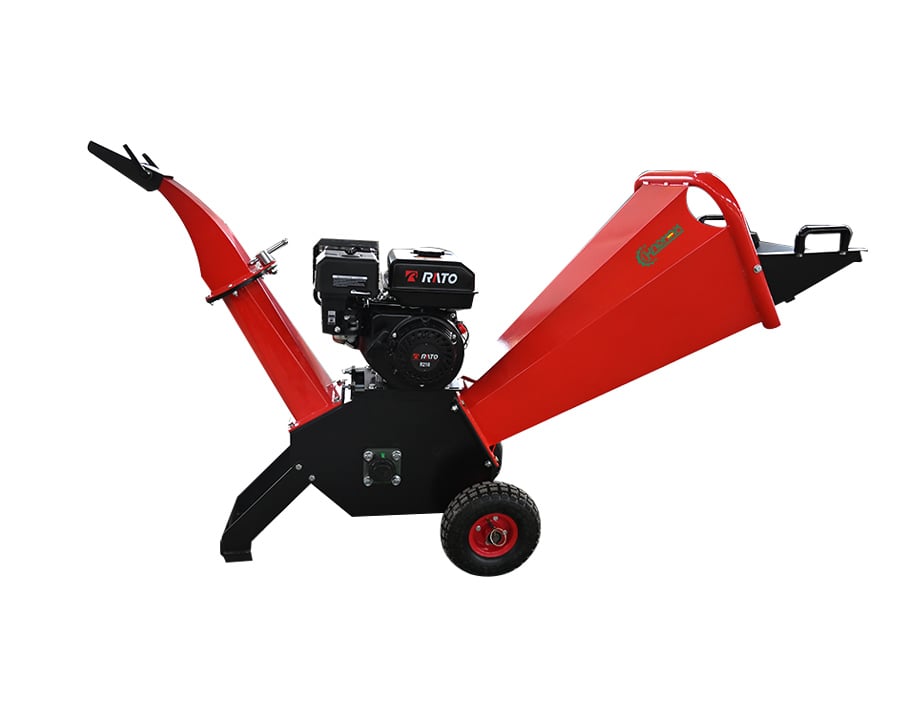
Match Chipping Capacity to Your Workflow Volume and Material Mix
Feed Capacity, Branch Diameter Limits, and Real-World Throughput Metrics
Feed capacity indicates the maximum branch diameter a wood chipper can process—typically measured under ideal conditions using straight, green softwood. But real-world throughput consistently falls 20–40% below manufacturer ratings due to hardwood density, irregular shapes, moisture content, and mixed debris. For example:
| Metric | Ideal Condition | Real-World Adjustment |
|---|---|---|
| Branch Diameter | 6-inch rated | Effective 4-inch max |
| Throughput/Hour | 10 cubic yards | 6–8 cubic yards |
| Downtime Impact | Minimal | 15–30 min/hour |
Prioritize actual cubic yards processed per hour—not theoretical specs. Assess your daily debris volume and peak workflow demands: selecting a machine with 25% excess capacity prevents bottlenecks when processing dense hardwoods or wet, tangled brush.
Why Rated Capacity Often Overstates Performance on Mixed Brush Loads
Rated capacity becomes unreliable with mixed brush loads due to three interrelated factors:
- Material inconsistency: Intertwined branches and vines increase jamming frequency by up to 70% versus clean logs
- Density variations: Softwood/foliage mixtures create uneven resistance, lowering throughput and straining components
- Operational friction: Frequent blade clearing and feed interruptions can reduce effective productivity by as much as 50%
Manufacturer testing excludes these variables—making advertised metrics misleading for real-world landscaping debris. Always validate capacity claims using your typical material mix during live demonstrations. Units with anti-jam technology and reversible feed systems significantly narrow this performance gap, delivering consistent output across variable loads.
Choose the Right Power Source: PTO, Gas, or Electric Commercial Wood Chipper
Total Cost of Ownership: Fuel, Maintenance, Uptime, and Resale Value by Type
Looking at total cost of ownership when choosing a commercial wood chipper goes way beyond what's on the price tag. Let's talk about gas powered ones first. These machines guzzle between half a gallon to a full gallon of fuel every hour they run. And don't forget about all the yearly maintenance stuff either. We're talking oil changes, replacing those pesky spark plugs, cleaning or replacing air filters. All told, expect to spend somewhere around $200 to $500 annually just keeping these running properly. Electric models definitely save money on energy bills, cutting costs down by roughly 60 to 70 percent compared to their gas counterparts. But there's a catch. They need access to electrical grids which limits where they can be used, plus they aren't really mobile once plugged in. For farms or operations already running tractors, PTO driven chippers might be worth considering. These connect directly to existing tractor power systems, so no extra engine maintenance headaches. Plus fuel costs get shared with whatever equipment is already out in the field doing work.
| Power Source | Fuel Cost | Maintenance | Uptime | Resale Value |
|---|---|---|---|---|
| Gas | High | High | 85–90% | Moderate |
| Electric | Low | Low | 70–80% | Low |
| PTO | Medium* | Medium | 90–95% | High |
*Shared with tractor. PTO units deliver the highest uptime and strongest resale value due to simplified mechanics and proven field reliability. For daily commercial use, gas and PTO models typically provide better ROI despite higher initial investment.
Mobility vs. Power Density: When Skid Steer–Mounted PTO Chippers Excel
- Zero-radius maneuverability around obstacles
- Direct power transfer for up to 30% faster branch processing
- Compact footprint for urban job sites
- No need for separate towing equipment
This configuration maximizes productivity in cemetery maintenance, municipal landscaping, and confined construction sites—where repositioning speed matters more than standalone operation.
Compare Chipping Mechanisms: Drum, Disc, and Twin Flywheel for High-Volume Reliability
Twin Flywheel Advantages: Consistent Output, Reduced Vibration, and Lower Downtime
When it comes to heavy duty work in commercial settings, twin flywheel chippers beat out those old fashioned drum and disc models hands down because of how they're built with two rotors working together. What makes them special is that second flywheel actually runs at double speed compared to the main one. This creates better air movement inside the machine which helps push out chips evenly and keeps things from getting backed up when dealing with all those leaves or fresh green waste. The way these machines cut stuff also means less shaking on the blades since the force gets spread around properly. Field tests show bearings last about 30% longer on average, though results can vary depending on maintenance practices. For teams dealing with all sorts of different debris throughout the day, this setup means they can keep going without stopping so often. That consistency really matters when trying to stick to tight schedules on big jobs.
Comparative Chipper Mechanism Overview
| Performance Metric | Drum Chippers | Disc Chippers | Twin Flywheel |
|---|---|---|---|
| Max. Branch Diameter | 12–14 inches | 6 inches | 8–10 inches |
| Material Flexibility | Low | Moderate | High |
| Vibration Reduction | Baseline | 15% less | 40% less |
| Downtime Frequency | High | Moderate | Low |
Evaluate Commercial-Specific Durability, Safety, and ROI Factors
OSHA-Compliant Safety Systems That Mitigate Liability and Lower Insurance Costs
Safety systems that meet OSHA standards simply cannot be ignored when running commercial wood chippers. Things like emergency stop buttons, sensors that control feeding, and brakes on the rotor help stop accidents where limbs get caught or debris flies out, which cuts down on legal problems later. According to the Ponemon Institute from last year, landscaping businesses typically shell out around $740k every year just because their equipment doesn't comply with regulations. That's why having proper safety gear isn't just about following rules but actually saving money in the long run. Most insurance companies will give somewhere between 10 to 15 percent off premiums if they see documentation showing all these safety measures are properly installed, so what might seem expensive at first ends up paying for itself over time.
Frame Construction, Bearing Quality, and Service Accessibility for Multi-Job Daily Use
When it comes to lasting performance in commercial settings, there are really three key components that make all the difference: steel frames at least 5mm thick, those sealed bearings rated for industrial work, and panels that don't need tools to open up. Residential equipment just can't handle what commercial chippers face day after day. That's why most professionals go for tapered roller bearings instead of standard ones these can take around 10 hours straight of mulching without getting too hot to handle. Quick access points for maintenance really matter too. We've seen shops save anywhere from half an hour to almost an hour each time they service their machines, which adds up fast when a crew is running five jobs or more every day. And let's not forget about smart features like diagnostic ports that connect to fleet management systems. These help spot potential problems before they actually happen, saving headaches down the road.
FAQ Section
What is the importance of matching chipping capacity to workflow volume?
Matching the chipping capacity to your workflow volume ensures that the machine can handle the amount of material without bottlenecks, especially when processing dense or wet materials.
Why do rated capacities often not reflect real-world performance?
Rated capacities are based on ideal conditions, while real-world performance involves variables like material inconsistency and density variations, which can significantly reduce throughput.
How does the total cost of ownership vary between gas, electric, and PTO wood chippers?
Gas chippers have high fuel and maintenance costs, electric models save on energy but are less mobile, and PTO models share tractor fuel costs and require fewer maintenance headaches, offering the best uptime and resale value.
What makes twin flywheel chippers advantageous?
Twin flywheel chippers offer consistent output, reduced vibration, and lower downtime by using two rotors for efficient debris handling, making them ideal for commercial use.
How do OSHA-compliant safety systems benefit commercial wood chipper operators?
OSHA-compliant systems reduce accident risks and insurance costs, providing long-term savings and legal compliance benefits.
Table of Contents
- Match Chipping Capacity to Your Workflow Volume and Material Mix
- Choose the Right Power Source: PTO, Gas, or Electric Commercial Wood Chipper
- Compare Chipping Mechanisms: Drum, Disc, and Twin Flywheel for High-Volume Reliability
- Evaluate Commercial-Specific Durability, Safety, and ROI Factors
-
FAQ Section
- What is the importance of matching chipping capacity to workflow volume?
- Why do rated capacities often not reflect real-world performance?
- How does the total cost of ownership vary between gas, electric, and PTO wood chippers?
- What makes twin flywheel chippers advantageous?
- How do OSHA-compliant safety systems benefit commercial wood chipper operators?