 EN
EN

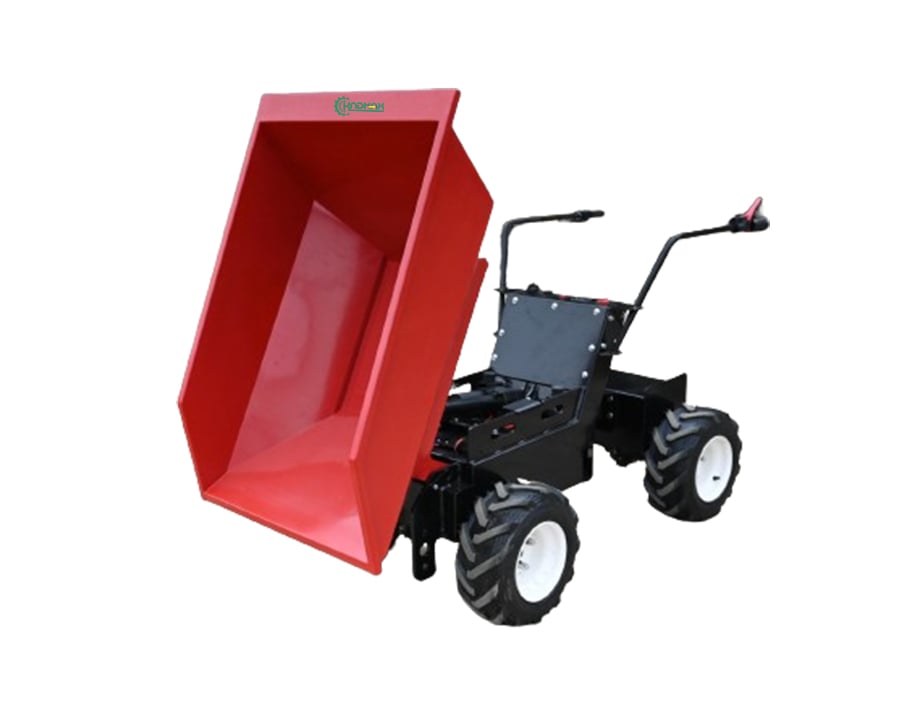
Material Characteristics Dictate Optimal Mini Dumper Bucket Design
Soil and Light Aggregates: Standard and Grading Buckets with Wear Bars and Grading Bends
Standard buckets equipped with built-in wear bars work best for digging through loose soils, gravel, or sand. The hardened steel bars on the bottom really hold up against all that abrasion, so these buckets last much longer than regular ones when working with rough materials. Those curved grading bends along the top edge make a big difference too. Operators can level surfaces, fill in gaps, and do精细 grading without having to make multiple passes over the same area. Matching the right bucket to what's being moved makes a noticeable difference in productivity. Purpose built models tend to keep about 30 percent more material during operation compared to run-of-the-mill buckets, which means less time spent chasing loose bits and better overall efficiency on site.
Rock, Concrete, and Rooted Debris: Heavy-Duty Rock Buckets Featuring Reinforced Edges and Optimized Tine Spacing
When dealing with really dense, high impact materials, regular buckets just won't cut it. That's why we need specialized rock buckets built with AR400 steel reinforcement right along the cutting edge and those side plates. These buckets have stood the test of time resisting chips, cracks and deformations even after countless impacts. Now here's something important about those tines between them. They're spaced about 2 to 4 inches apart which lets smaller material pass through but stops bigger rocks or chunks of concrete from getting stuck inside the bucket. The whole point of this design is efficiency. Contractors report around a 25% reduction in cycle times when working with demolition debris or broken up concrete. And best part? The bucket stays strong and durable throughout all that work without falling apart on the job site.
Snow, Mulch, and Litter: Low-Profile Snow/Litter Buckets with High-Dump Spout and Smooth Interior Finish
Materials that are light but take up a lot of space like snow, mulch and garden debris need buckets designed for holding more stuff rather than just being heavy. The low profile design actually fits more volume inside those mini dumpers without going over weight restrictions. Plus, when the inside is smooth, it helps prevent things from sticking to the sides or getting caught in fibers. The bucket also comes with a high dump spout that lets workers unload material cleanly and precisely at steep angles. This matters a lot when filling up trucks, adding layers to compost heaps, or making sure pathways stay clear after winter storms. According to tests done in real work environments, these specially made buckets can move about 40 percent more snow each hour compared to regular ones.
Functional Capabilities: How Mini Dumper Bucket Types Expand Job-Site Versatility
4-in-1 Buckets vs. Standard Buckets: Balancing Multi-Functionality with Structural Simplicity
The 4-in-1 bucket combines loading, digging, grading, and sifting all in one hydraulic attachment, which cuts down equipment swaps by around 70% as per the latest Construction Efficiency data from 2024. Sure, these buckets come with heavier hydraulics that need more regular maintenance compared to standard models, but most contractors find they're worth it when working on complex jobs that switch between different materials like gravel, then topsoil, followed by debris removal. Standard buckets are built for something else entirely though. They focus on carrying bigger loads, lasting longer between repairs, and staying out of the shop. That makes them ideal for straightforward hauling tasks where getting things done fast matters more than having multiple functions packed into one tool.
| Feature | 4-in-1 Bucket | Standard Bucket |
|---|---|---|
| Functions | Loading, digging, grading, sifting | Primary: Loading/hauling |
| Best For | Multi-phase projects | High-volume material transfer |
| Maintenance | Higher (hydraulic components) | Lower (minimal moving parts) |
Grapple Buckets and Swivel-Tip Configurations: Enhancing Debris Control and Pouring Precision
Grapple buckets work by using hydraulic pressure to clamp down on all sorts of tricky materials that are hard to handle normally. Think logs that keep rolling away, muddy root balls from trees, or chunks of broken concrete after demolition work. These buckets hold everything together so nothing falls out while moving stuff around, even when going up hills or through narrow spots where regular equipment would struggle. The swivel tip design lets operators pour materials at different angles too, usually about five degrees apart. That means contractors can get gravel exactly where it needs to go behind retaining walls, inside deep ditches, or right next to building bases without having to move things multiple times. Just imagine trying to dump rocks close to an existing structure without knocking anything over – this kind of control makes all the difference between a job done right the first time versus coming back later to fix mistakes.
Load Capacity and Handling Efficiency: The Role of Material Density and Particle Size in Mini Dumper Bucket Selection
How dense a material is really affects how much weight equipment can safely handle and keeps machines stable during operation. Take wet gravel versus loose topsoil as just one case in point. A cubic yard of wet gravel might tip the scales at around 3,000 pounds while the same space filled with topsoil weighs closer to 2,000. Operators who only look at bucket size instead of actual weight limits run real risk of overloading their machinery. When buckets are matched properly to what they're moving based on material density, it helps keep hydraulic systems running smoothly within their designed parameters. Plus, this approach gives operators better control over their equipment when handling different materials day to day.
| Material | Relative Density | Recommended Load Capacity Adjustment |
|---|---|---|
| Loose Topsoil | Low | Full bucket capacity optimal |
| Saturated Gravel | High | Reduce loading by 30–40% |
The size of particles plays a big role in how well things work. Coarse stuff needs bigger gaps between the tines so it doesn't get stuck, whereas fine materials like sand or screened soil need better sealing and smoother edges to keep them from spilling out. When buckets aren't sized right for the material being handled, problems start popping up all over the place. Partial loads become necessary, cleanup happens way too often, and transportation gets shaky at best. All this eats into productivity and puts extra strain on equipment. Getting the bucket dimensions just right makes a world of difference. Stability stays intact, each trip carries maximum weight without wasting time, and machines can still move around even in tight spaces or delicate areas where precision matters most.
FAQ
What are the best buckets for soil and light aggregates?
Standard buckets with built-in wear bars are ideal for digging through loose soils, gravel, or sand. They feature hardened steel bars that withstand abrasion and grading bends for surface leveling.
How do heavy-duty rock buckets differ?
Heavy-duty rock buckets include AR400 steel reinforcement along edges and optimized tine spacing, allowing smaller materials to pass through while retaining larger debris. They are built to withstand high-impact environments.
When should I use low-profile snow/litter buckets?
These buckets are suitable for handling light but voluminous materials like snow and mulch. Their design maximizes volume capacity and ease of emptying with a smooth interior finish.
How do 4-in-1 buckets enhance functionality?
4-in-1 buckets combine multiple functions such as loading, digging, grading, and sifting, thus reducing equipment swaps by up to 70%.
What factors influence mini dumper bucket selection?
Material density and particle size are crucial. Denser materials affect weight capacity, while particle size dictates the optimal gap size in the bucket's tines for efficient operation.
Table of Contents
-
Material Characteristics Dictate Optimal Mini Dumper Bucket Design
- Soil and Light Aggregates: Standard and Grading Buckets with Wear Bars and Grading Bends
- Rock, Concrete, and Rooted Debris: Heavy-Duty Rock Buckets Featuring Reinforced Edges and Optimized Tine Spacing
- Snow, Mulch, and Litter: Low-Profile Snow/Litter Buckets with High-Dump Spout and Smooth Interior Finish
- Functional Capabilities: How Mini Dumper Bucket Types Expand Job-Site Versatility
- Load Capacity and Handling Efficiency: The Role of Material Density and Particle Size in Mini Dumper Bucket Selection
- FAQ