 EN
EN

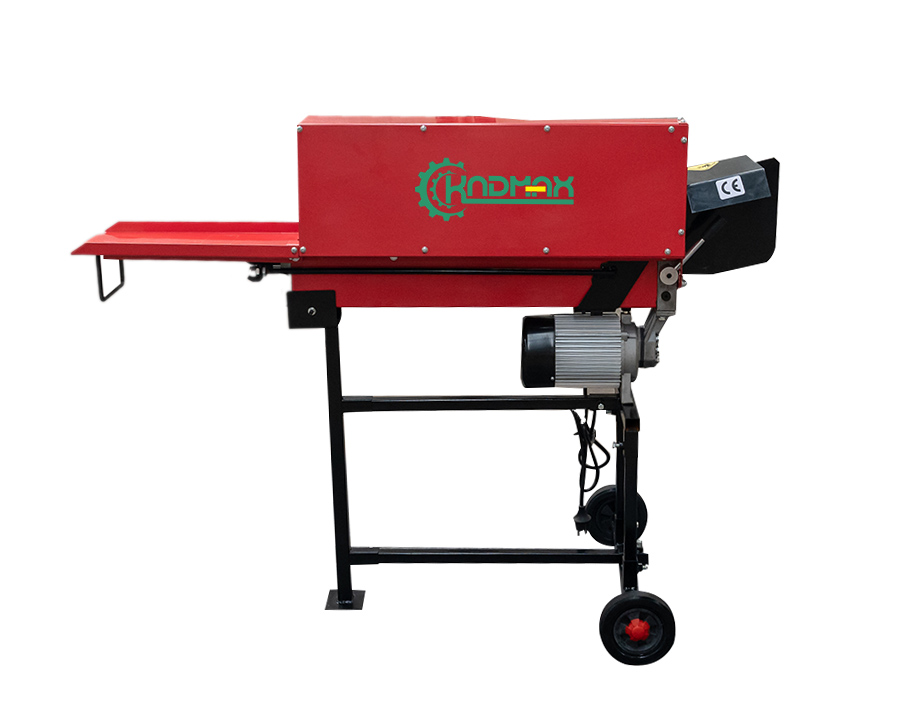
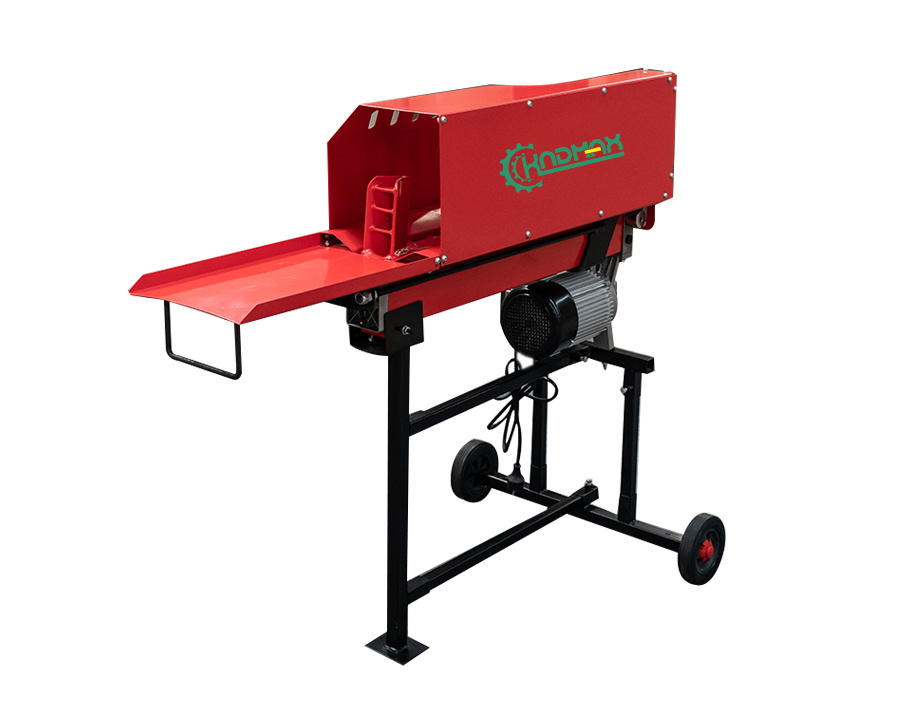
Firewood Splitter Setup: From Unboxing to First Use
Pre-Use Inspection and Ground-Level Preparation
Always give the manual firewood splitter a good once over before starting up. Look closely at those hydraulic hoses for any cracks, make sure there's enough fluid according to what the manufacturer says, and double check that every bolt is snug where it should be. Find some solid flat ground with plenty of space around it - at least ten feet clear works best. The numbers don't lie here either: OSHA found that folks who try to work on uneven ground face about a 37% higher chance of tipping over. Keep the area around the machine free of sticks and rocks too. Most people get hurt when they slip right at the start, which accounts for roughly two thirds of all injuries with hydraulic gear. And speaking of setup, angle the splitter so it faces across from where the logs are stacked. This simple positioning trick cuts down on how much moving around we have to do with heavy pieces of wood.
Assembly Sequence: Frame, Beam, Hydraulic Cylinder, and Wedge Alignment
Follow this critical assembly order for optimal performance and structural integrity:
- Stabilize Frame: Secure outriggers on compacted soil
- Mount Beam: Align with frame guides using included shims
- Install Hydraulic Cylinder: Connect hoses before bolting to prevent cross-threading
- Position Wedge: Center within 1/8" of beam axis using alignment pins
Tighten all connections to a maximum of 30 ft-lbs—over-torquing causes 42% of premature weld failures. Test ram movement without load before first use.
Safe Firewood Splitter Operation and Hazard Mitigation
Identifying Critical Hazards: Pinch Points, Flying Debris, and Hydraulic Force Risks
Three primary hazards demand constant vigilance:
- Pinch points, where moving components like the wedge and beam converge, can crush limbs in milliseconds.
- Flying wood debris travels at speeds exceeding 50 mph—safety glasses alone may not suffice; full-face protection is strongly advised for high-volume or knotty wood.
- Hydraulic force risks, including line rupture (which can inject fluid into skin) or uncontrolled ram movement, require strict adherence to pressure-rated hose standards and regular seal inspections.
Operators must maintain a 10-foot exclusion zone and never bypass safety interlocks. OSHA reports 36% of woodsplitter injuries involve hand entrapment (2023), reinforcing the need for disciplined hand-position protocols—hands should remain outside the beam-wedge path at all times.
Operator Zones, Log Handling Protocols, and Distraction-Free Workflow
Establish clear operational boundaries and handling procedures:
- Operator Zones: Designate a 3-sided work area with unobstructed escape routes. Keep bystanders—including children and pets—beyond the hazard perimeter. Always position the splitter on level ground to prevent rollaway incidents.
- Log Handling: Use both hands to place logs centrally on the beam—never attempt repositioning mid-cycle. For logs over 18" in diameter, use log lifts or request assistance. Avoid stacking logs directly behind the machine to preserve visibility and egress.
- Workflow Discipline: Implement a “full stop” protocol—power down, engage lockout/tagout if applicable—before clearing debris or adjusting logs. Turn off the engine during breaks longer than 5 minutes to eliminate accidental activation. Maintain visual focus on the wedge throughout each cycle; distractions contribute to 27% of hydraulic equipment accidents (NIOSH 2024).
Routine and Seasonal Firewood Splitter Maintenance
Hydraulic System Care: Leak Detection, Fluid Refilling, and Air Bleeding
Regular maintenance of hydraulic systems saves money in the long run and keeps operators out of dangerous situations. Weekly checks of hoses and fittings are essential since even small leaks point to failing seals that need replacing soon. Keep an eye on fluid levels according to what the manufacturer recommends because running low can lead to pump problems and cut splitting power nearly in half sometimes. Before starting work each day, look at those reservoirs and fill them back up with ISO 46 hydraulic fluid whenever the level drops below the viewing window. Don't forget to change out all the fluid and filters once a year to get rid of dirt and debris that wears down components faster than normal. When the ram starts acting jittery or stops moving properly under light loads, there's probably air trapped somewhere in the system. To fix this, loosen the reservoir cap and run the cylinder through full extension and retraction cycles about ten to fifteen times. Record every fluid change, pressure test result, and repair job in the splitter's service log so future technicians can see how healthy the system has been over time.
Wedge Integrity, Lubrication Schedule, and Rust/Pest Prevention
Keeping things structurally sound and performing well requires regular attention to wedges and controlling corrosion issues. Check those cutting edges at least once a month for any signs of cracking or bending. Use a straight edge tool for inspection and swap out the wedge when the wear gets past about 1/8 inch deep into the material. For lubrication, apply some good quality lithium grease to all pivot points and sliding rails after every eight hours of operation. Pay special attention to where the beam meets the wedge since that area tends to get really hot from constant friction. When putting equipment away for seasons, make sure to thoroughly protect against both rust formation and pests getting into stored components. A few extra minutes spent on these maintenance steps can save headaches down the road.
- Degrease all metal surfaces and apply a corrosion-inhibiting spray (e.g., Boeshield T-9® or equivalent)
- Seal control box openings and hydraulic reservoir vents with steel wool to deter rodent nesting
- Elevate the unit on pallets in a dry, low-humidity environment
Reapply protective coatings quarterly in coastal or high-humidity regions. These practices extend equipment lifespan by 3–5 years while sustaining optimal splitting efficiency.
Frequently Asked Questions
What type of hydraulic fluid should I use for my firewood splitter?
You should use ISO 46 hydraulic fluid as recommended for maintaining the proper function of your firewood splitter.
How often should I perform maintenance on my firewood splitter?
Weekly inspections of hoses and fittings are essential, and fluid and filters should be changed annually. Specific practices like wedge inspection should occur monthly, while lubrication is required every eight hours of operation.
What safety gear is essential when operating a firewood splitter?
Operators should use full-face protection to guard against flying debris, along with maintaining a 10-foot exclusion zone during operation. Regular visual checks and adhering to disciplined hand-position protocols are also vital.