 EN
EN

Cost Savings Through On-Site Garden Shredder Mulch Production
Converting Pruning Waste into High-Value Mulch: Economic Equivalency of $120–$350/Ton
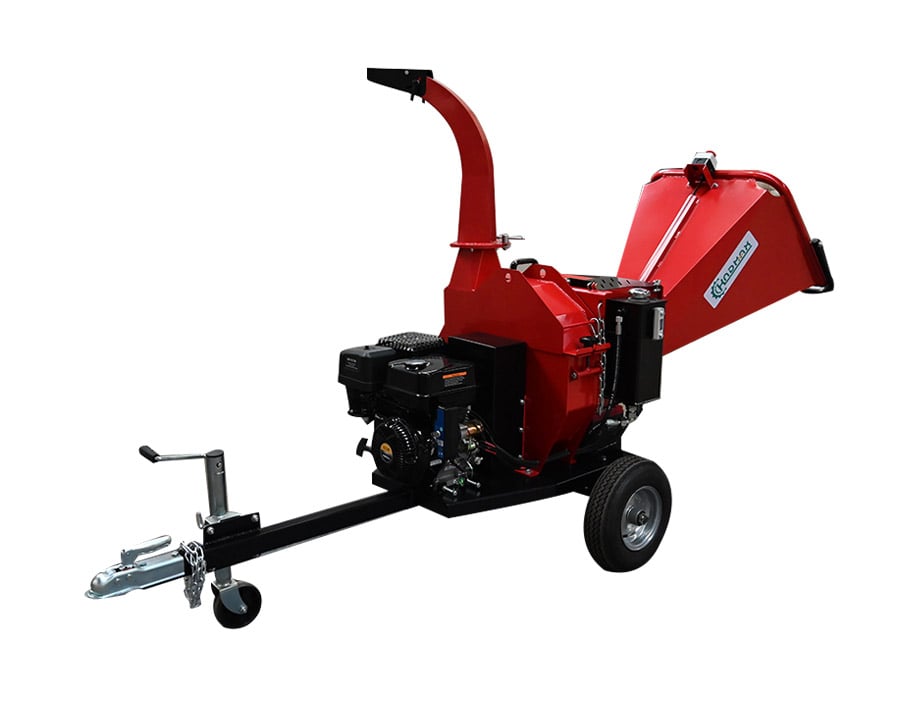
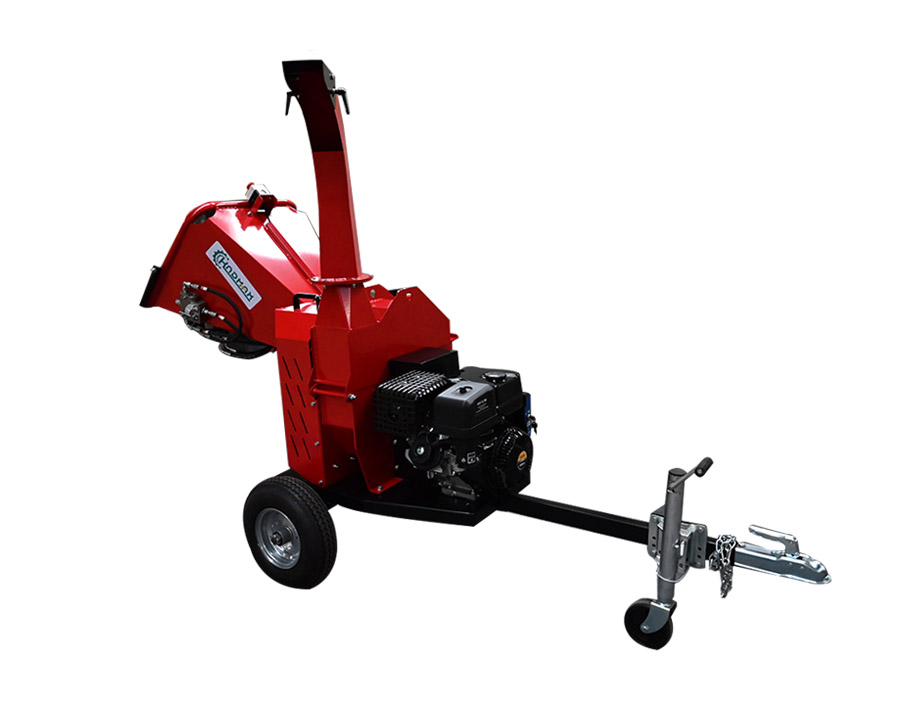
Farms are finding smart ways to handle branch waste instead of just paying someone else to take it away. By running those trimmings through a garden shredder, they turn what would be trash into something really good for their soil. The stuff that comes out works just as well as store bought hardwood mulch but without all those extra costs. Some folks in the business put a value on this homemade mulch at around $120 to maybe even $350 per ton, which matches up pretty closely with what people pay when buying in bulk from suppliers. Farmers save money too because they don't have to shell out $40 to $100 per ton for landfills plus another $25 to $75 each time they haul loads somewhere. Take a medium sized orchard that cuts back about five tons worth of branches every month. Over the course of a year, these savings could amount to anywhere between seven thousand two hundred dollars and twenty one thousand bucks. Most garden shredders can process anywhere from two to five tons an hour, so they work well during busy pruning seasons without creating any major delays in getting the job done or holding back access to fresh mulch when needed.
Real-World ROI: Pacific Northwest Orchardist Reduces Purchased Mulch by 92% with a 7-HP Garden Shredder
Soil Health Benefits of Garden Shredder Mulch
Accelerated Humus Formation and Improved Cation Exchange Capacity (CEC)
When gardeners use shredded mulch from their yard waste, it actually helps improve soil structure because it speeds up the creation of humus. The broken down branches start a chain reaction where microbes get busy breaking down the woody bits into something stable that stays in the soil longer. What happens next is pretty cool for plant health. The soil gains what scientists call CEC, which basically means it can hold onto important nutrients such as calcium and magnesium better. Some studies indicate that when wood is properly shredded rather than left whole, this capacity goes up between 15 to 30 percent. That makes all the difference for plants getting what they need without those valuable minerals just washing away during rainstorms or irrigation.
Optimizing Decomposition: Carbon-to-Nitrogen Ratios in Shredded Branches vs. Leaf Litter
Getting good compost starts with getting the right mix of carbon and nitrogen materials. Garden wood chips straight from shredders usually run around 80 parts carbon to 1 part nitrogen, while fallen leaves tend to be closer to 50:1. When we cut those branches into half inch pieces, something interesting happens the surface area jumps by about three times over whole chunks. This gives microbes much better access to all that carbon rich stuff, especially if we throw in some green material like fresh grass clippings too. The result? No more waiting for nitrogen to get locked up inside big branches, and nutrients start making their way back into soil about forty percent quicker than before.
USDA-NRCS Data: 34% Greater Soil Organic Matter Gain in Vineyard Rows Using Garden Shredder Mulch (2020–2023)
A three-year USDA Natural Resources Conservation Service study documented significant soil improvements from garden shredder mulch in vineyards. Plots treated with shredded branch mulch showed:
- 34% greater increase in soil organic matter than control plots
- 2.3× higher earthworm density
- 27% reduction in irrigation requirements
These outcomes stem from the mulch’s layered, porous structure—which moderates soil temperature and moisture while suppressing weeds—validating garden shredders as practical tools for regenerative agriculture.
Expanded Commercial Uses for Garden Shredder Output Beyond Mulching
Erosion Control Blankets from Coarse Shred: A Low-Cost Slope Stabilization Solution
Garden shredders can turn woody debris into something pretty amazing for controlling erosion. When we pack those coarse shreds into biodegradable netting, the irregular pieces actually create layers that hold soil in place even on fairly steep slopes around 45 degrees. Let's put this into perspective: regular geotextile materials cost anywhere from $1.50 to $3.50 per square foot, but making our own shredded blankets on site slashes material expenses by somewhere between two thirds and almost three quarters. Plus, it gets rid of waste that would normally cost money to dispose of. What makes these shredded branch mixtures work so well? They have all sorts of different sized particles which helps water spread out better and gives roots much better pathways than just uniform wood chips. Watershed restoration teams tested them too, and their results showed these homemade blankets kept more than 95% of sediment during tests simulating what might happen after a big storm. So basically, what starts as simple pruning waste becomes both an erosion fighter and a solution to dealing with green waste at the same time.
FAQ
What is the economic value of using garden shredder mulch?
The homemade mulch produced with a garden shredder is valued at approximately $120 to $350 per ton, aligning with what consumers pay when buying bulk mulch from suppliers.
How do garden shredders benefit soil health?
Shredded mulch enhances soil structure, accelerates humus formation, and improves the soil's CEC, allowing it to retain nutrients like calcium and magnesium better.
What are some additional commercial uses for garden shredder output?
Apart from mulching, garden shredder output can be used for creating erosion control blankets, offering a low-cost solution for slope stabilization and reducing waste disposal costs.