 EN
EN

Why Noise Level Matters: Selecting a Quiet Garden Shredder for Residential Use
The neighborhood impact of >85 dB shredders: Legal restrictions, usage windows, and quality-of-life trade-offs
Garden shredders that operate above 85 decibels run into trouble with local noise regulations throughout most parts of America. About two thirds of neighborhoods have rules limiting noise during the day to under 80 dB, which means folks can only use them between around 10 AM and 3 PM in many areas. These machines typically handle about 50 kilograms per hour but make so much noise neighbors tend to complain, authorities might fine users up to $500, and anyone within 100 meters finds it hard to enjoy being outdoors. Living near constant sounds at 88 dB, similar to what one hears standing 15 meters from a busy road, makes talking difficult, ruins attempts at relaxing, and creates problems for people working remotely from home. That's why looking for quieter options becomes really important if someone wants their equipment to fit well with neighborhood life over time.
Drum shredders vs. alternatives: How acoustic engineering reduces noise by 15–25 dB without sacrificing throughput
Drum-based garden shredders achieve significantly lower noise levels—not through power reduction, but through purpose-built acoustic engineering. Three integrated features cut operational sound by 15–25 dB compared to traditional blade or impact systems while preserving throughput:
- Vibration-damped motors, mounted on rubber isolators, reduce structural noise transmission by up to 40%
- Helical cutting drums, operating below 1,200 RPM, generate lower-frequency sound waves (<3,000 Hz) that dissipate more rapidly in open air
- Composite sound hoods with internal acoustic baffling absorb 30% more mid-range frequencies—the most perceptible band to human hearing
The result is consistent 65–75 dB operation—similar to a vacuum cleaner—while processing 45–55 kg/hour of woody waste. Field testing confirms drum systems maintain 98% material reduction efficiency at noise levels 22 dB lower than impact shredders, effectively resolving the historic trade-off between power and peace.
High-Torque Performance: The Real Metric for Reliable Woody Waste Shredding
Torque over horsepower: Why ¥4.5 Nm at the drum enables clean, jam-free shredding of 2-inch green branches
The horsepower numbers listed on garden shredders don't really tell us much about how they perform in actual use. What matters most is torque measured in Newton meters (Nm), especially when dealing with thick, fibrous stuff like fresh green branches. Horsepower basically tells what a machine could do in theory, while torque gives the actual spinning power needed to keep cutting through wet, bendy wood fibers. Shredders that put out around 4.5 Nm or more at the drum tend to handle 2-inch green branches just fine without getting stuck or stopping. When machines fall below this level, their blades start slipping during cuts, leading to dangerous kickbacks, lots of interruptions, and extra stress on the motor. Tests have found that models with less than 4.5 Nm jam three times as often when working on green wood material, which slows down the whole process and wears things out faster over time.
Torque-to-efficiency correlation: Field data showing 92% shred efficiency drop below 3.2 Nm on mixed yard waste
The amount of torque really makes all the difference when it comes to handling different types of yard waste consistently. Looking at actual field tests, there seems to be a big drop off in performance once torque drops below 3.2 Nm. When these machines try to process mixed materials like leaves, sticks, and little branches, shredders with insufficient torque see their effective shred rate plummet by around 92%. What happens is the output becomes just partial pieces that need to go through it again, and overall throughput plummets somewhere between 50% and 60%. The reason for this poor performance? These low torque systems lose their rotational momentum whenever they hit something tough, so they either have to feed material much slower or make several passes over the same stuff. On the flip side, models with 4.5 Nm torque stay efficient at about 85% on similar loads. Not only do they finish tasks roughly three times quicker, but they also cut down on wasted energy and save operators from getting tired out during long work sessions.
Power Source Comparison: Matching Torque Delivery and Noise Profile to Your Garden Needs
Electric garden shredder advantages: Instant peak torque at zero RPM, sub-70 dB operation, and plug-and-play reliability
Electric garden shredders kick in with full power right from the moment they're switched on, so there's absolutely no waiting around for them to warm up or experience any delay. This makes them really good at handling thick green branches without hesitation. The machines operate at under 70 decibels, which is actually pretty quiet compared to what most neighborhoods consider acceptable noise levels. So neighbors won't complain about the racket, and property owners don't have to worry about running afoul of local noise ordinances. Since these units don't need fuel, oil changes, or dealing with spark plugs, they're basically ready to go as soon as someone plugs them in. Regular maintenance consists mainly of keeping things clean and checking the blades now and then. Electric models make sense particularly for people living in cities or suburbs where gas-powered equipment faces restrictions due to emission rules. They strike just the right balance between getting the job done quickly, staying quiet enough not to annoy anyone, and needing minimal upkeep over time.
Petrol and diesel trade-offs: Higher max torque potential vs. noise, emissions, maintenance, and regulatory constraints
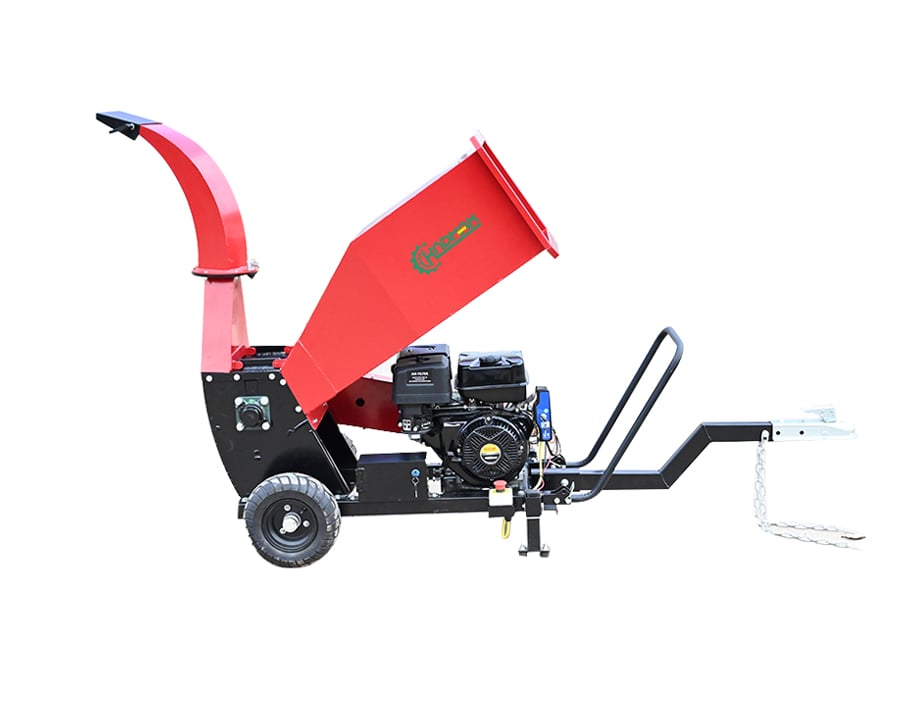
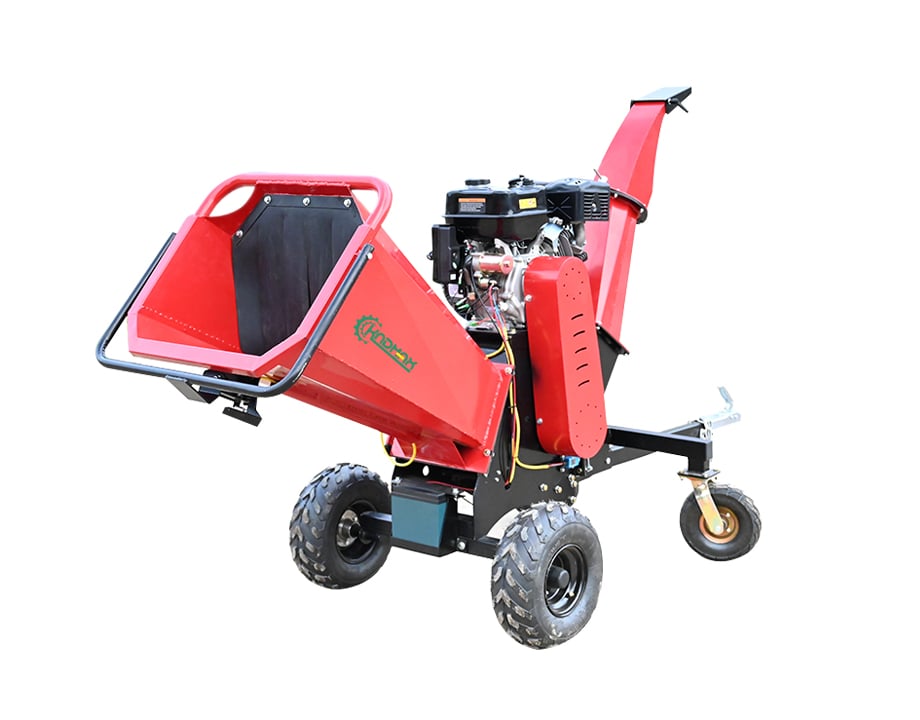
Shredders powered by combustion engines do reach those high torque peaks that matter mostly during rare occasions when dealing with really tough woody debris. But these machines come with serious downsides. Most run louder than 85 decibels all the time, which means they're often not allowed in residential neighborhoods where noise regulations apply. And let's face it, constant exposure to this kind of noise isn't great for ears either according to health experts. Then there's the whole mess of exhaust fumes, needing carburetor adjustments every season, plus losing almost a third of power when starting up cold weather mornings. For regular yard work around the house, all this extra hassle, loudness, and paperwork just doesn't make sense compared to what we get from electric models today. Modern electric drums deliver similar or better performance at 4.5 newton meters without disturbing neighbors.
FAQ
What noise levels should I aim for when choosing a garden shredder for residential use?
It is recommended to choose a garden shredder that operates under 80 decibels to avoid trouble with local noise regulations and to ensure a peaceful environment for both you and your neighbors.
How does torque affect the performance of a garden shredder?
Torque, measured in Newton meters (Nm), is crucial for effective shredding. A machine with a torque of around 4.5 Nm or more can efficiently handle tough materials such as 2-inch green branches without jamming or stopping.
Why are electric garden shredders preferred in residential areas?
Electric garden shredders are preferred in residential areas due to their quieter operation, ease of use, and minimal maintenance requirements. They are also free from fuel and emission-related issues associated with gas-powered models.