 EN
EN

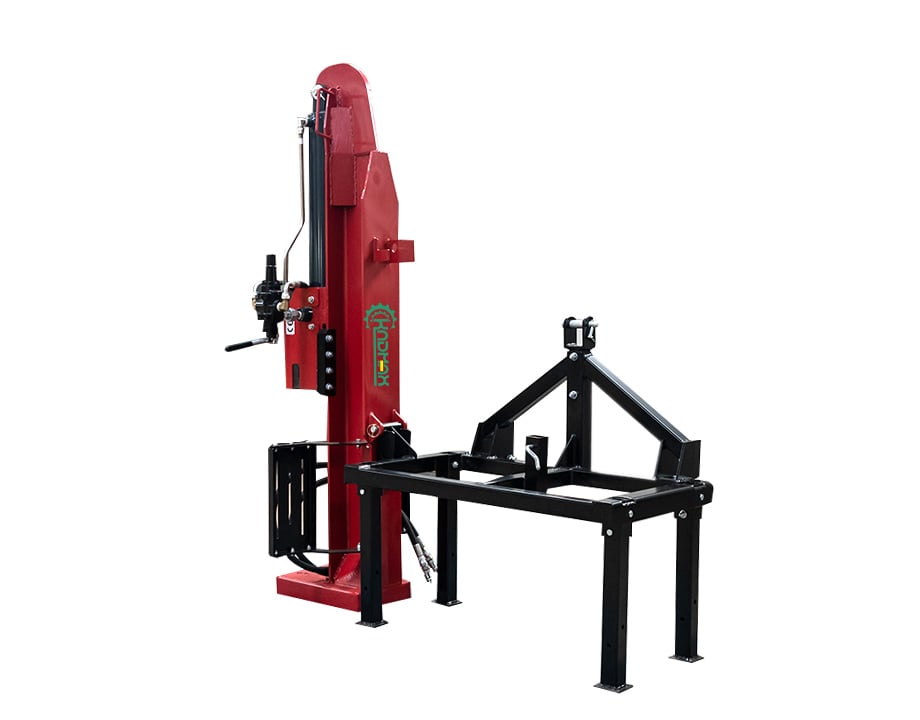
Portability Essentials for Forestry Mobility
Weight, Foldable Frame, and Integrated Trolley Design for Trail Access and Slope Handling
The best portable log splitters strike a good balance between being sturdy enough for real forest work and light enough to carry around. Splitters weighing less than 150 pounds can actually be hauled through tight forest paths, and when folded down, they take up about half as much space in the back of a truck. Many models come with built-in trolleys that have those slanted push handles which really help when moving logs uphill and saves folks from getting sore backs after climbing slopes all day. According to some research out there, these design improvements tend to shave off around 30 something percent off the time needed to gather wood, making it easier for workers to move from one cutting spot to another throughout the woods.
Locking Caster Wheels and Adjustable Leveling Feet for Stability on Uneven, Off-Grid Terrain
Getting stable movement over forest floors really depends on specialized mobility parts designed for rough conditions. The locking polyurethane casters we've been using stay clean longer and handle roots and rocks much better than regular wheels can manage. We also added independently adjustable feet that level out even when the ground slopes at angles around 15 degrees or so. This helps keep everything aligned properly and makes operations safer overall. Tip overs are a big worry in this industry too. According to OSHA reports, about one third of all forestry equipment accidents happen because of uneven ground. Our tests show these mobility systems still deliver full power even on bumpy terrain where standard wheels would fail completely.
Power Source Comparison: Gas vs. Battery-Electric Log Splitters
Gas-Powered Log Splitters: Off-Grid Reliability with Trade-Offs in Noise, Emissions, and Service Needs
When it comes to splitting logs without access to electricity, gas powered splitters really shine. These machines work on their own without needing power lines, and they pack a punch with around 20 to 30 tons of splitting force. That kind of muscle makes them great for tough hardwoods and thick green logs. Plus, they keep running nonstop so there's no waiting for batteries to charge. But there are downsides too. The engines get pretty loud, often above 85 decibels, and they put out exhaust fumes which means they need fresh air while operating. Maintenance isn't cheap either. Quarterly oil changes, seasonal checkups, and carburetor work all add up. According to the Land Management Equipment Report from 2023, these ongoing costs make gas models about 40% more expensive than electric ones over time. Still, many professionals stick with gas when working far from civilization where emissions and noise aren't as big a concern, as long as there's someone nearby who knows how to fix them when problems arise.
Battery-Electric Log Splitters: Emerging Runtime Flexibility vs. Charging Infrastructure Limitations
Electric splitters run quiet enough at around 75 decibels or below, so they work well in places where noise matters or near homes. The latest lithium ion tech allows swapping out batteries while working, and some premium models can last through over 200 charge cycles. But when pushing hard, these machines typically only last 2 to 4 hours before needing a recharge. Cold weather really hits battery performance too, cutting capacity down by as much as 30% in freezing conditions. For folks working far from charging stations, bringing along backup power like portable generators becomes necessary something traditional gas equipment doesn't require. Sure, there's less maintenance and no exhaust fumes to worry about, but right now most electric splitters make more sense for small scale jobs or operations that aren't completely cut off from infrastructure rather than big logging projects deep in remote wilderness areas.
Splitting Performance: Tonnage, Force Delivery, and Forestry-Specific Log Compatibility
Forestry professionals need log splitters engineered for real-world timber variability—accounting for density, moisture content, grain structure, and species-specific behavior. Performance depends less on peak tonnage alone and more on how force is delivered, sustained, and adapted to biological material properties.
Hydraulic Log Splitters (20+ Ton): Optimal for Dense, Knotty Hardwoods and Oversized Green Logs
Hydraulic splitters work by creating steady, powerful force through pressurized fluid which makes them really good at splitting tough woods like oak and maple, plus those big green logs that other tools struggle with. The way they apply pressure slowly helps get through the stubborn moisture in wet wood and complicated grain patterns that give standard impact splitters headaches. Some field testing shows these machines split about 98 out of 100 times when dealing with 30 inch diameter hardwood rounds something most kinetic splitters just can't match. They do take longer though around 15 to 30 seconds per split compared to faster kinetic models but this extra time pays off because the splits are complete first time around. That means less wear on operators hands and arms and fewer messed up pieces needing fixing later on especially important when working outside where weather conditions can change rapidly.
Kinetic Log Splitters: Speed Advantage vs. Limited Effectiveness on Irregular or High-Moisture Forestry Timber
Kinetic splitters work by storing energy in spinning flywheels which then gets released in quick powerful hits that can split wood in around 2 to 3 seconds flat. They're great for softwoods with straight grains and low moisture content such as pine or fir trees. But here's the catch when dealing with tricky woods. The way these machines work doesn't provide enough constant pressure for woods with irregular grains like elm or those twisted cedar pieces we all know and love. And if the wood is too damp over about 35% moisture content, the wet fibers actually soak up the energy rather than letting the log split properly. A study from Oregon State Forestry back in 2023 showed something interesting too. Their tests revealed that kinetic splitters had to hit those knotty hardwoods again about 40% of the time before they would finally split. So for folks working with mixed species piles, dealing with humid conditions, or handling green lumber that hasn't dried out yet, going with hydraulic systems generally gives better results overall while also cutting down on labor costs in the long run.
FAQ
What is the advantage of having built-in trolleys in portable log splitters?
Built-in trolleys in portable log splitters help manage uphill log movement and reduce physical strain on workers, enabling easier transport and access to logs over various terrains.
How do locking caster wheels improve the stability of log splitters on uneven terrain?
Locking caster wheels enhance stability by staying cleaner longer and navigating roots and rocks effectively. They collaborate with adjustable leveling feet to assure steady operations even on sloping grounds.
Why are gas-powered log splitters chosen for off-grid use?
Gas-powered splitters provide robust splitting power without needing electricity, making them suitable for remote areas despite their additional noise, emissions, and maintenance requirements.
Do battery-electric log splitters require specific infrastructure for efficient use?
While quieter, battery-electric splitters need charging infrastructure or backup power sources like portable generators for uninterrupted use, especially in off-grid or remote locations.
Which type of log splitter is best for dense and knotty hardwoods?
Hydraulic log splitters are optimal for handling dense, knotty hardwoods and oversized green logs, applying steady pressure to effectively manage challenging wood grain structures.
Can kinetic splitters handle wood with high moisture content effectively?
Kinetic splitters struggle with wood having high moisture content, often requiring multiple strikes to split due to their lack of constant pressure needed to tackle moist and irregular grains.
Table of Contents
- Power Source Comparison: Gas vs. Battery-Electric Log Splitters
- Splitting Performance: Tonnage, Force Delivery, and Forestry-Specific Log Compatibility
-
FAQ
- What is the advantage of having built-in trolleys in portable log splitters?
- How do locking caster wheels improve the stability of log splitters on uneven terrain?
- Why are gas-powered log splitters chosen for off-grid use?
- Do battery-electric log splitters require specific infrastructure for efficient use?
- Which type of log splitter is best for dense and knotty hardwoods?
- Can kinetic splitters handle wood with high moisture content effectively?