 EN
EN

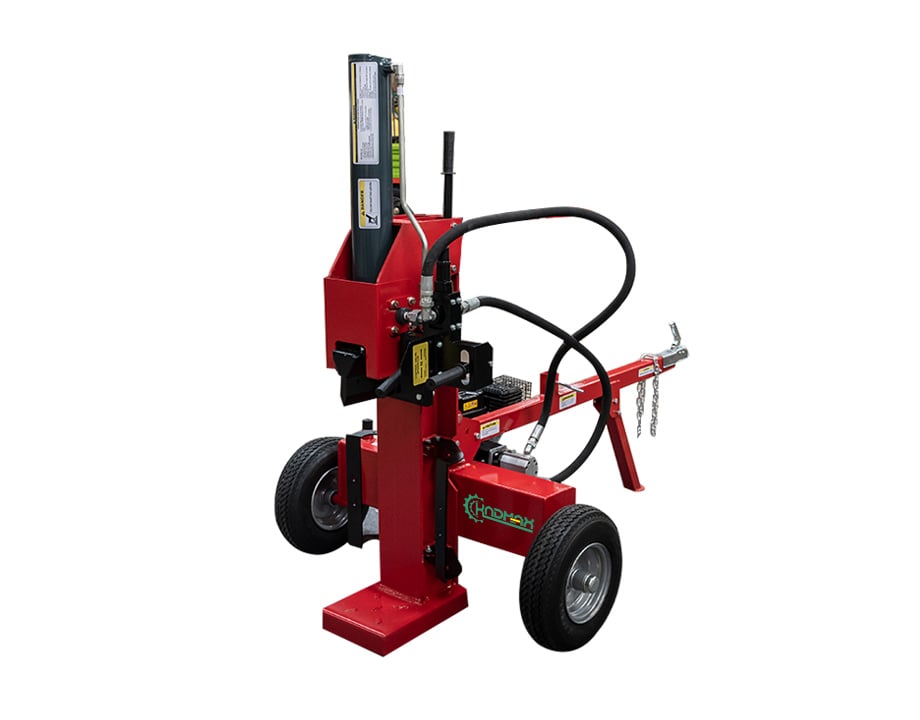
How Hydraulic Systems Power Log Splitters: Core Principles Explained
Pascal’s Law and Force Multiplication in Practice
Log splitters work their magic by turning simple mechanical effort into serious splitting power using hydraulic fluid. This works thanks to something called Pascal's Law, which basically means pressure applied anywhere in a closed system gets passed around everywhere else too. Take a standard home unit pumping hydraulic oil up to about 3,000 PSI. That kind of pressure pushes against every part of the piston inside the cylinder equally. The math makes sense when you think about it F equals P times A after all so even a small 4 inch piston can create massive force. We're talking over 37 thousand pounds of pushing power, almost two whole tons worth! That explains why these machines can tackle tough woods like oak or hickory while hand tools would just give up. Keep in mind though, dirty fluid or air bubbles in the system mess everything up. Clean oil flowing freely maintains proper pressure transmission and keeps the machine working at peak efficiency.
PSI vs. GPM: Why Pressure and Flow Are Independent Levers for Log Splitter Performance
When talking about how well a log splitter works, there are really two key numbers that matter most: PSI, which stands for pounds per square inch, and GPM, short for gallons per minute. The PSI basically determines how much force the machine can apply when splitting logs. If someone boosts the system pressure from around 2,500 to 3,000 PSI, they get about 20% more force without needing bigger engines or changing anything else in the system. Then we have GPM, which affects how quickly things happen. A pump that puts out 11 GPM makes the ram move back about twice as fast compared to something only doing 5.5 GPM. These two factors don't replace each other though. Just because water flows faster doesn't mean it pushes harder, and cranking up the pressure won't make cycles go quicker. To get good results in actual use, folks need both elements working together right. Most splitters operate best with somewhere between 2,500 and 3,000 PSI to handle tough hardwood knots, giving them over 25 tons of power. At the same time, having enough flow rate, say 16 GPM or better, helps keep those full cycles down to under 15 seconds even after running for hours on end.
Critical Hydraulic Components That Define Log Splitter Capability
2-Stage Gear Pumps: Optimizing Speed and Tonnage for Real-World Splitting
The two stage gear pump offers smart power control because it adjusts its output based on what the load needs, which gives it a real edge over those old single stage models. When the ram first starts extending and there's not much resistance, the pump runs in high flow mode around 11 to maybe 16 gallons per minute at lower pressures somewhere between 500 and 800 psi. This lets things move quickly into position. Then when the wedge meets resistance and hits about 500 psi or so, the internal pressure sensing valve kicks in, switching the pump over to high pressure operation at roughly 2500 to 3000 psi but with less flow. What makes this system so good is that it can handle both quick work on soft woods and the heavy duty stuff needed for really tough knots without anyone having to mess with controls. According to those industry standards folks at ISO 4413, these pumps save anywhere from 30 to 40 percent in energy costs compared to regular fixed output pumps, all while still being able to split wood up to 25 tons.
Hydraulic Cylinder Sizing (Bore/Stroke) and Its Direct Impact on Splitting Force & Cycle Time
The shape and size of hydraulic cylinders really affect how they perform in different applications. When we talk about splitting force, it all comes down to two main factors: system pressure and the surface area of the piston. The basic formula looks like this: Force equals Pressure multiplied by Piston Area. Let's put some numbers to it. At around 3,000 pounds per square inch, a cylinder with a 4 inch diameter can generate approximately 37,700 pounds of force, which is roughly equivalent to 19 tons. Increase the bore size to 5 inches and that jumps to about 58,900 pounds or nearly 29 tons. Now for stroke length, this determines how long each cycle takes. Every extra inch added to the stroke length means about half a second longer for the cylinder to retract because there's simply more fluid that needs to be moved through the system. These differences matter quite a bit when selecting equipment for specific jobs.
- Short-stroke cylinders (16–20"): Enable 15–20 cycles per minute—ideal for high-volume processing of standard-length, medium-density logs.
-
Long-stroke cylinders (24–36"): Accommodate oversized timber but reduce throughput to 8–12 cycles per minute.
Matching cylinder specs to primary use cases matters: hardwood-dominant operations benefit from larger bores to overcome grain resistance, while softwood-focused users gain efficiency from shorter strokes and faster cycling.
Control, Safety, and Usability in Hydraulic Log Splitter Design
Directional Control Valves: Spool Action, Detent Types, and Operator Interface Options
The directional control valves play a key role in managing where the hydraulic fluid goes when extending or retracting the splitting ram. Inside these valves, there's a specially machined spool component that moves around to open or block different flow paths, sending pressurized oil to one side or the other of the cylinder housing. Most models include detent mechanisms, which can be mechanical or spring based, that keep the spool locked in whatever position it needs to stay for hands free operation. This feature becomes really important when doing repetitive work with high volume throughput requirements. Looking at modern control options today, we see everything from simple lever controls that give good tactile response to fully sealed electric button systems designed for harsh environments. Safety is another major consideration here. Many machines require two handed operation, meaning both operators have to engage their controls at the same time. This practice has become standard across the industry according to ANSI B11.19 regulations and helps prevent those dangerous accidents that might happen if someone accidentally triggers the machine while setting up logs or making adjustments.
Integrated Relief Valves and Pressure-Limiting Safety—Why Bypass Isn’t Redundancy
Relief valves aren't just nice to have safety features; they're absolutely essential for any hydraulic system. When installed right in the high pressure part of the circuit, these valves kick in automatically once the system pressure goes beyond what's been set (like around 3,000 psi give or take 3 percent). They then send that extra pressure back to the reservoir tank. Without them, there's real risk of hose blowouts, seal failures, or even damage to the cylinder body itself when dealing with stuck logs, poorly aligned split blocks, or heat expansion issues. Bypass valves work differently though. These redirect fluid flow past the cylinder when things get jammed up so the pump stays lubricated, but they won't actually cap maximum pressure levels. For real backup protection, we need separate relief valves that each have their own settings. These should meet ISO 4413 and ASME B30.1 specs too. Having this kind of setup means the system remains protected no matter who's operating it or what kind of wood is being processed through the machine.
FAQs
-
What is Pascal's Law?
Pascal's Law states that pressure applied anywhere in a closed system is transmitted equally throughout the system. -
How does PSI affect log splitter performance?
PSI, or pounds per square inch, determines how much force the splitter can exert. Higher PSI means more force is applied during splitting. -
Why are relief valves essential in hydraulic systems?
Relief valves prevent the system from exceeding maximum pressure levels, which can prevent damages like hose blowouts and system failures.