 EN
EN

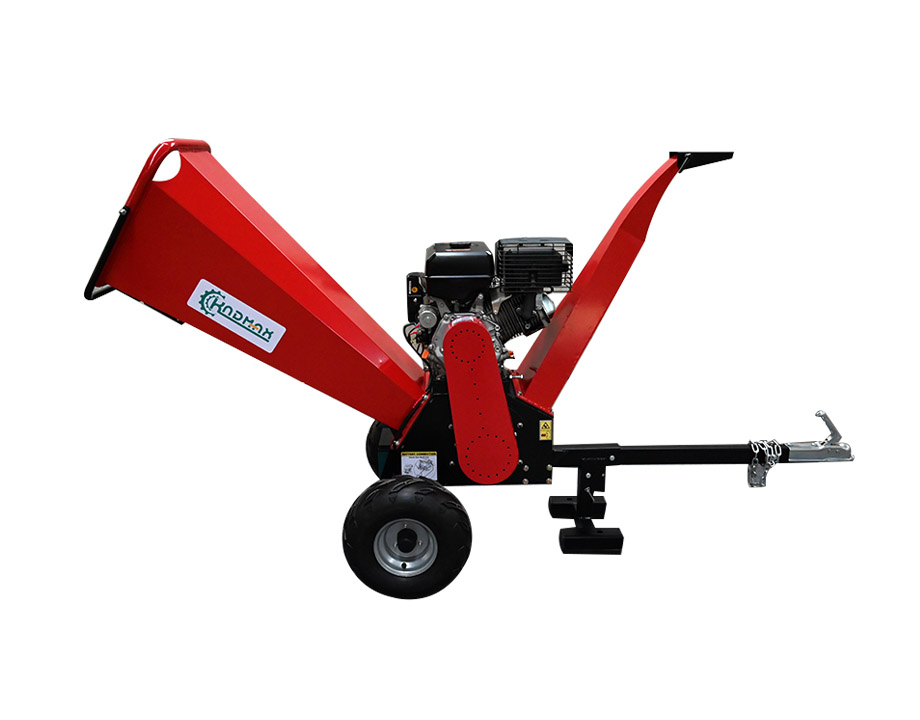
Manufacturer Reputation and Build Quality for Commercial Wood Splitter Deployment
Why Tier-1 Brands Deliver Predictable Uptime in B2B Operations
Top wood splitter manufacturers focus on solid engineering so their machines can handle tough daily workloads without breaking down. Most premium models feature hardened steel parts and hydraulics designed to resist dirt buildup, which cuts failures by around 40% when running nonstop compared to cheaper knockoffs. The big brands also have good service coverage across the country, with trained techs who can usually swap out parts within a day, keeping businesses running smoothly. Factory testing includes intense vibration checks similar to military specs plus heat stress tests that simulate years of wear in just days. For firewood companies and landscapers, this kind of dependable performance means consistent output throughout peak seasons. Seasonal shutdowns due to breakdowns could wipe out hundreds of thousands in potential sales according to recent studies. Going with name brand equipment typically saves money long term since these machines stay online about 98% of the time, making them worth the investment despite higher upfront costs.
Nordic and Japanese Engineering Standards: How Precision Manufacturing Reduces Downtime
Wood splitters made using Nordic and Japanese manufacturing techniques last much longer because they're built with incredible attention to detail. When making parts, these factories stick to tolerances as tight as 0.01 millimeters, which actually goes way beyond what's required by ISO 286 standards. This level of accuracy gets rid of those weak spots where metal tends to wear out first in important areas that bear weight. During assembly, special cameras check each cylinder rod and valve block for tiny cracks that regular inspections would probably overlook. Real world tests in the forestry sector show these machines need servicing about 30% less often than standard models, and their hydraulics keep working at full pressure for over 5,000 hours straight. The companies behind this approach aren't just focused on hardware either. They've developed smart systems that read how machines vibrate to know when parts should be replaced before anything breaks down. Processing yards that handle large volumes report around 22% fewer unexpected shutdowns per year, and many of these splitters still going strong after 15 years proves why investing in precision manufacturing pays off in the long run.
Technical Specifications That Determine Wood Splitter Commercial Viability
Tonnage, Cycle Time, and Log Capacity: Aligning Wood Splitter Performance with Daily Throughput Needs
The tonnage, how fast it cycles through logs, and what size logs it can handle all play major roles in determining how well a commercial wood splitter actually works day to day. When talking about tonnage, we're looking at something between 15 and 30 plus tons typically. This needs to be enough power to split even the toughest hardwoods and biggest diameter logs without breaking a sweat. If the machine isn't powerful enough, expect plenty of jam ups and frustrating downtime. But going way overboard on power just burns through fuel unnecessarily. A good rule of thumb? Keep cycle times below 10 seconds for serious volume work. Machines with automatic feeding systems can cut down on labor expenses somewhere around 20 to maybe 35 percent depending on conditions. And don't forget about log capacity either. Most operations find that having space for about 90% of their regular stock cuts down on all that back and forth moving stuff around when splitting sessions get busy.
| Specification | Low Volume (â¤5 cords/day) | High Volume (â¥20 cords/day) |
|---|---|---|
| Tonnage | 15â20 tons | 25â30+ tons |
| Cycle Time | <15 seconds | <7 seconds |
| Max Diameter | â¤40 cm (16") | â¥60 cm (24") |
Power Source Trade-offs: Gas, Electric, and PTO Wood Splitters in Real-World Commercial Settings
Choosing among gas powered, electric, and PTO driven units means weighing several important factors. Gas machines give workers the most freedom to move around and deliver serious power, which makes them great for jobs out in the field where there's no electricity nearby. But they come with downsides too - managing fuel supplies can be a hassle and these machines tend to be pretty loud. Electric versions run almost silently and don't produce any emissions, so they work well inside buildings or enclosed spaces. The catch? They need access to electrical outlets, which limits where they can actually be placed on site. Then there are those PTO splitters that tap into tractor engines for massive torque output in farming or logging operations. These eliminate the need for extra fuel costs since they borrow power from existing machinery. However, this option only works if the company already owns compatible tractors or other heavy equipment. When looking at what makes sense business wise, it really comes down to how the work gets done day to day. Crews that constantly move from one location to another usually stick with gas powered units. Facilities that stay put in one spot often find electric or PTO systems more cost effective in the long run.
Warranty, Service Infrastructure, and After-Sales Support for B2B Wood Splitter Buyers
Decoding Commercial Warranty Terms: What â3-Year Coverageâ Really Covers for Wood Splitter Operators
Most 3 year warranties for commercial wood splitters don't cover those parts that actually wear out fast during regular operation. Think about it: hydraulic seals, valve blocks, splitting wedges these are the ones that give way first when machines get used heavily day after day. Operators tend to find this out way too late because what looks like full coverage usually doesn't include labor charges or money lost during equipment downtime. Big name manufacturers have their rules straight about maintenance records too. If someone can't show proper service history, the warranty just disappears overnight. Some top end models do extend coverage for cylinders and pumps beyond two years, but budget options often limit usage to around a thousand hours annually max. And here's something important for anyone thinking about selling later down the road only about a third of commercial splitters allow transferring warranties without paying extra fees. Before signing anything, check carefully if repair work happens right where the machine sits or if shipping massive equipment across country to factory service centers becomes an unexpected cost.
Durability Design Signals: Identifying True Commercial-Grade Wood Splitter Construction
Wood splitters built for commercial use need certain engineering specs if they're going to last through all that heavy duty work. Look for machines made with high grade steel at least quarter inch thick where the weight really hits those load bearing parts. The good ones have wedge surfaces that are super hard, over 55 on the Rockwell scale, plus dual stage hydraulics so the pressure stays steady even when things get tough. Frames with reinforced I beams and big axle bearings help fight off structural fatigue, which means fewer breakdowns after thousands of splits. Those sealed pivot points with grease fittings matter too because wood chips and moisture will eat away at cheaper models over time. All these features together cut down unexpected downtime around 40 percent compared to what most folks buy for their backyard. When shopping around, check if the manufacturer has ISO 9001 certification since that usually means better quality control across the board.
FAQ
Why should I choose a wood splitter from a Tier-1 brand?
Tier-1 brands ensure reliable performance and durability, reducing downtime and offering better service coverage. Their equipment typically operates about 98% of the time, providing better ROI.
Are Nordic and Japanese engineering standards crucial for wood splitters?
Yes, these standards offer precision manufacturing, reducing weak spot wear, and decreasing the need for servicing by around 30% compared to standard models.
What technical specifications are important for a commercial wood splitter?
Key specs include tonnage, cycle time, and log capacity. These determine a splitter's daily performance and efficiency in handling workloads.
What are the power source options for wood splitters?
Wood splitters can be gas-powered, electric, or PTO-driven. The choice depends on usage needs and environmental conditions of the operation site.
What does a typical 3-year commercial warranty cover?
Most warranties do not cover high wear parts like hydraulic seals and valves. Coverage and maintenance record requirements should be checked before purchasing.
Table of Contents
- Manufacturer Reputation and Build Quality for Commercial Wood Splitter Deployment
- Technical Specifications That Determine Wood Splitter Commercial Viability
- Warranty, Service Infrastructure, and After-Sales Support for B2B Wood Splitter Buyers
- Durability Design Signals: Identifying True Commercial-Grade Wood Splitter Construction
-
FAQ
- Why should I choose a wood splitter from a Tier-1 brand?
- Are Nordic and Japanese engineering standards crucial for wood splitters?
- What technical specifications are important for a commercial wood splitter?
- What are the power source options for wood splitters?
- What does a typical 3-year commercial warranty cover?