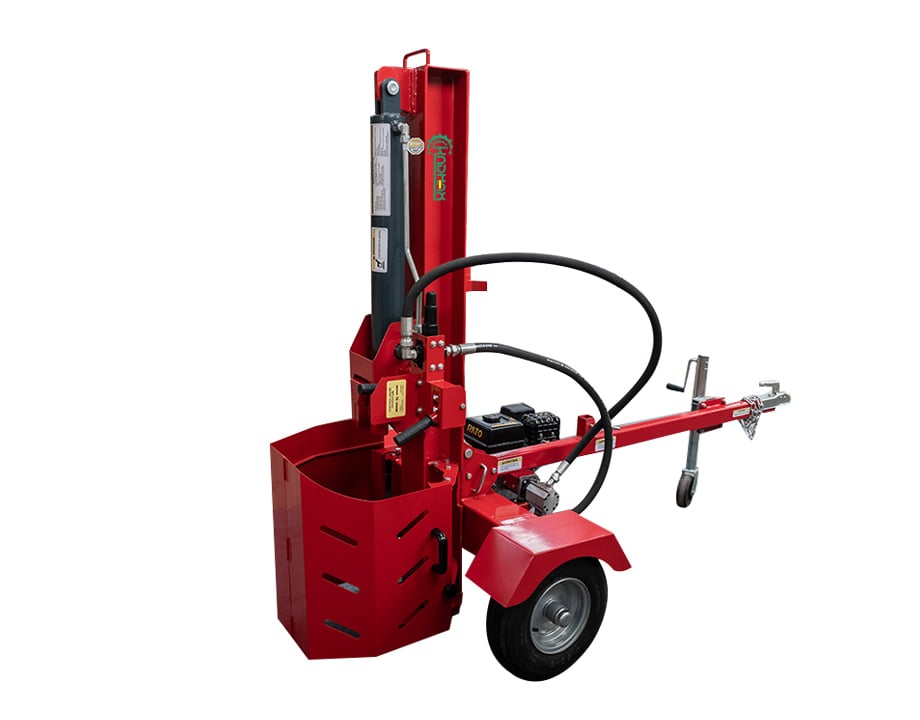
Core Application Scenarios and Commercial Value of Industrial-Grade Log Splitters
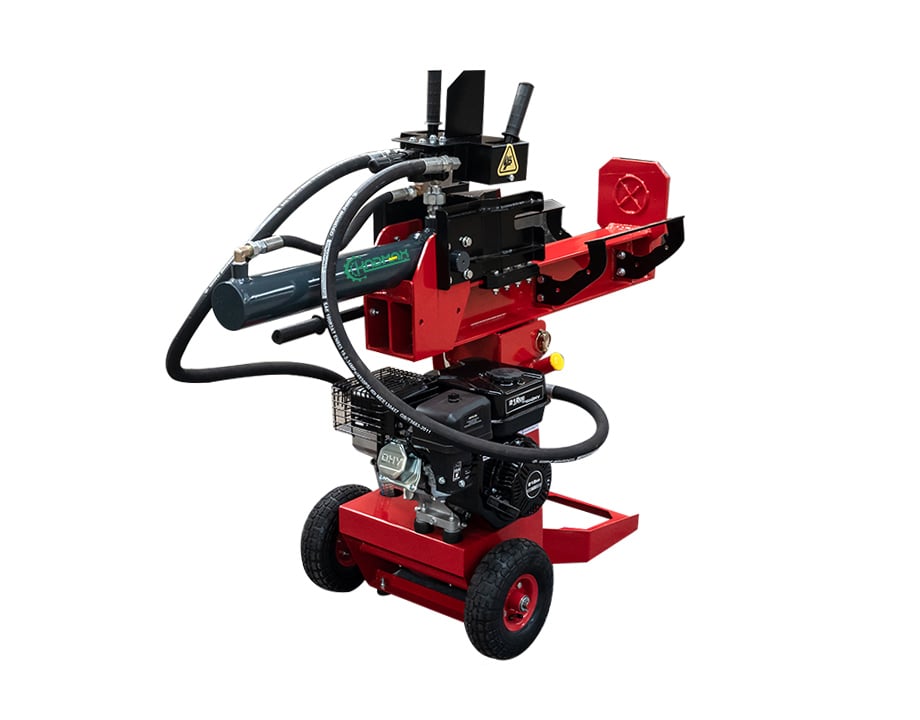
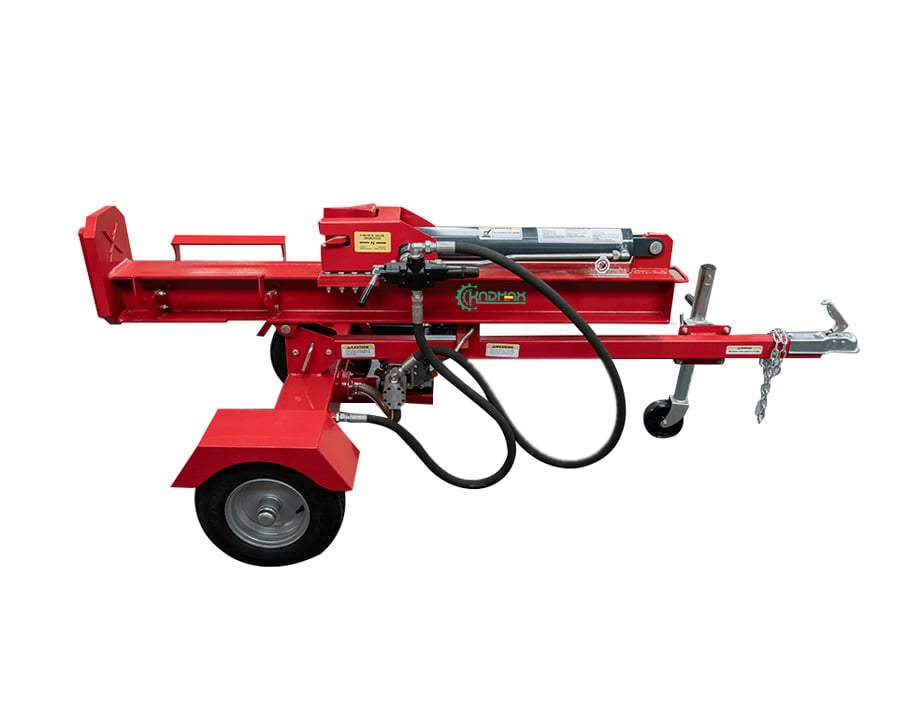
Industrial-grade log splitters are revolutionizing the operational model of the high-volume wood processing industry, providing quantifiable productivity solutions for professional applications. In the commercial firewood production sector, 30-50 ton diesel hydraulic models, capable of processing 10-50 bundles of firewood per day, have become essential equipment for firewood wholesalers and camping ground energy suppliers. These machines reduce labor costs by 70% through automated splitting processes while ensuring standardized firewood specifications. Forestry and timber management contractors rely on 25-50 ton mobile log splitters to process storm-damaged timber on-site, converting traditional hardwood raw materials like oak and hickory—which would otherwise require transportation—into directly marketable biomass fuel or sawmill feedstock. A single unit can reduce raw material waste by 28% annually and generate additional revenue.
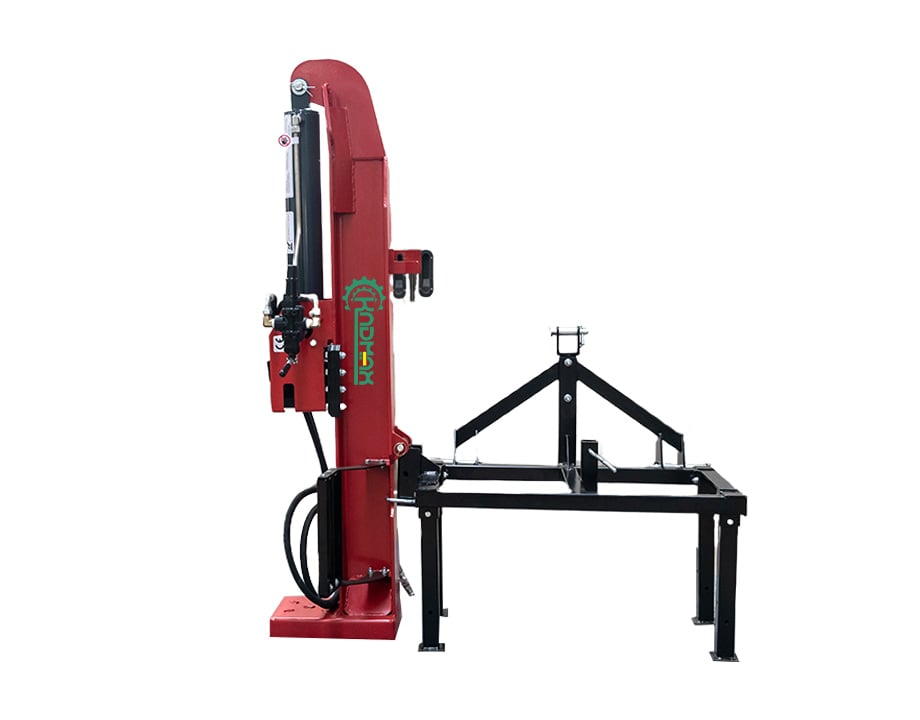
For municipal agencies and landscape engineering companies, the zero-emission characteristics of electric hydraulic models enable efficient cleanup of fallen trees in sensitive areas such as urban parks and campuses, converting disaster waste into public heating fuel. In the raw material pre-processing stage of sawmills and bioenergy plants, fixed industrial wood splitters are directly integrated into the end of the production line, precisely cutting traditional waste materials such as board scraps and stumps into biomass power generation standard sizes, increasing wood utilization rates by 45% per ton. High-end woodcraft workshops are utilizing precision-controlled wood-splitting technology to pre-process precious woods like black walnut and cedar, enhancing the yield of high-end logs while preserving the integrity of the wood grain, thereby directly reducing raw material procurement costs.
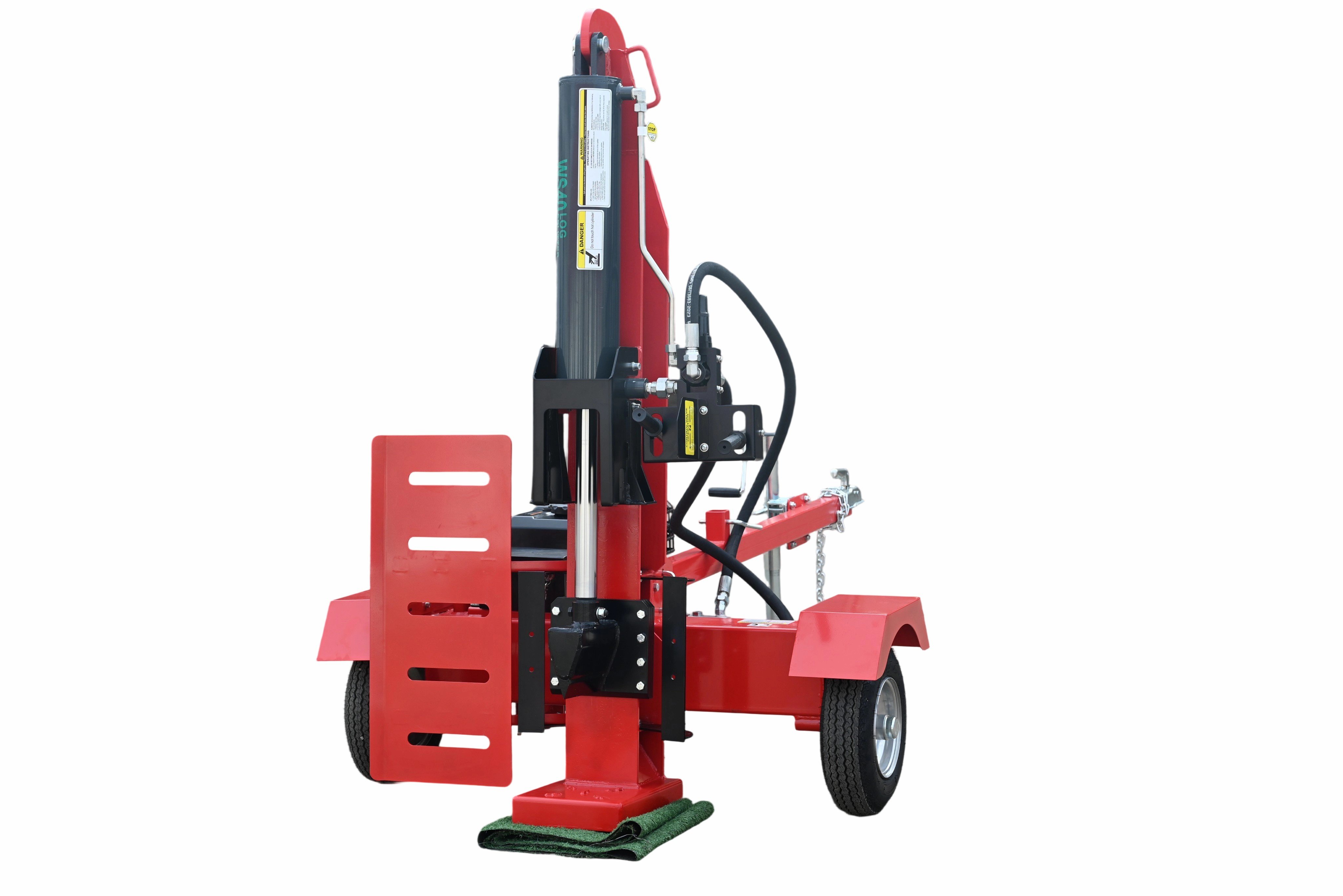
Particularly critical is the disaster emergency response scenario—diesel-powered models equipped with heavy-duty chassis can be deployed within 72 hours in hurricane-affected areas, processing over 200 fallen tree trunks per day. This reduces disposal costs by 60% compared to traditional transportation and incineration methods while accelerating regional reconstruction efforts. These multi-scenario applications demonstrate that industrial wood splitters are not merely production tools but strategic-level equipment that enhances return on investment through raw material value enhancement, energy consumption optimization, and time efficiency improvements.

"For years, I battled with an axe, wrecking my shoulders just to heat our home. This wood splitter changed everything. What used to take me an exhausting weekend now gets done in a single morning. Splits logs I’d normally avoid as 'too knotty' with surprising ease. The safety is a huge peace of mind compared to swinging an axe while tired. Best purchase I made for the homestead."

"Retired and still heat primarily with wood, but my energy isn't what it used to be. This machine lets me stay independent! The hydraulic action is smooth and requires minimal effort from me. I appreciate how stable it is on uneven ground near my woodpile. Splits cleanly, so less kindling needed. My grandkids even help now – safely! Total game-changer."
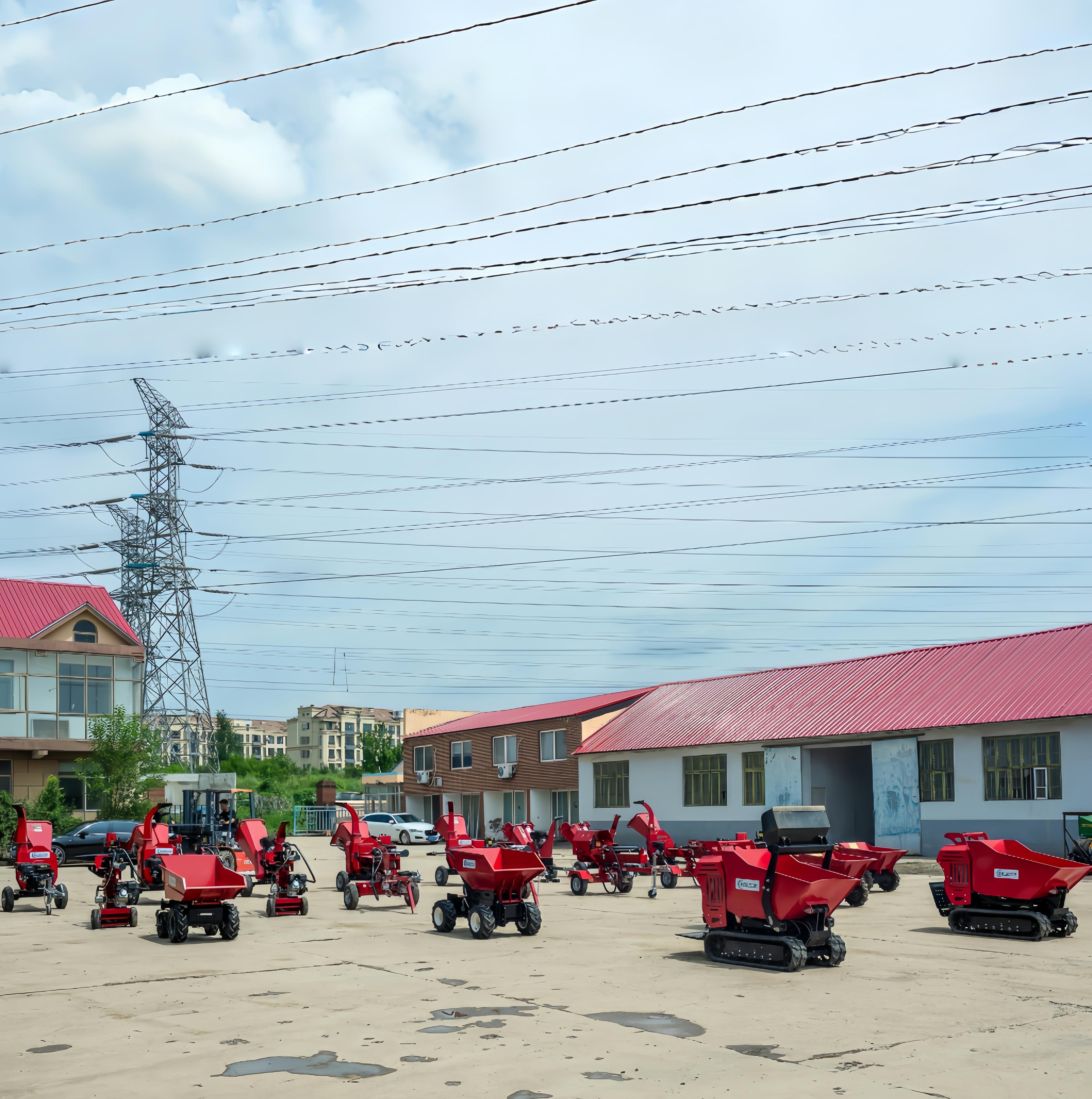

KNDMAX is your ideal manufacturer of log splitter and wood chipper and dumper for your garden.
No.1003 Yanjialing Industrial Park, Jimo District, Qingdao, Shandong Province, China
Copyright © Qingdao Kndmax Machinery Co., Ltd. All Rights Reserved
 EN
EN