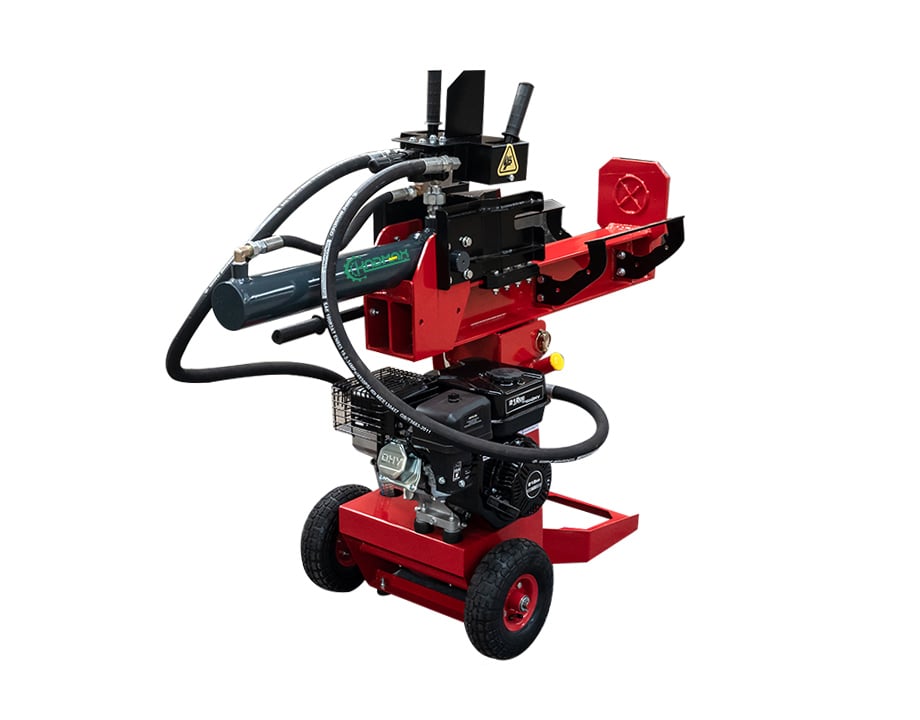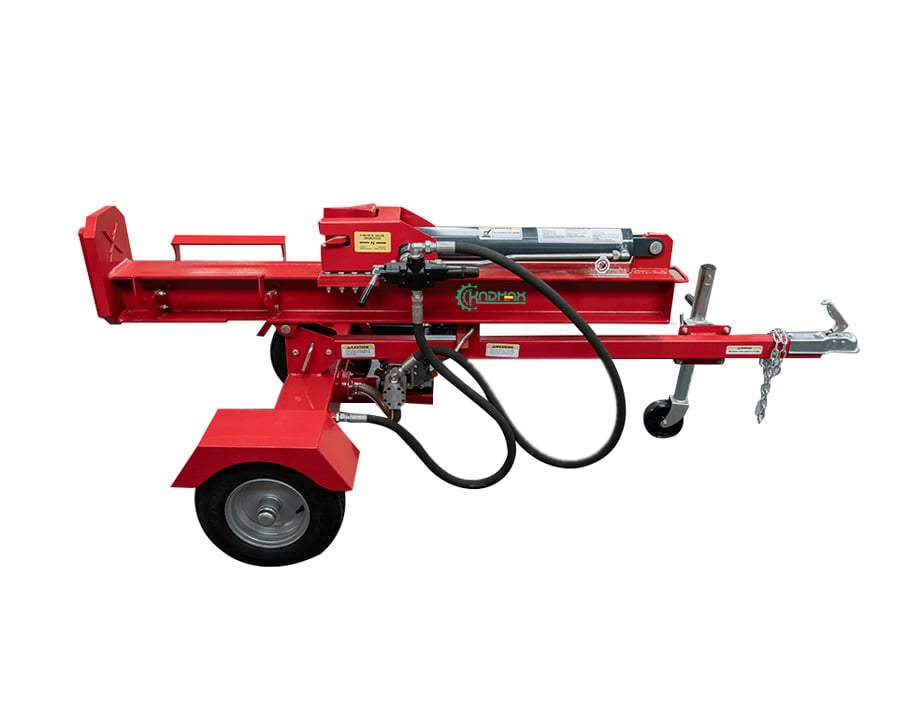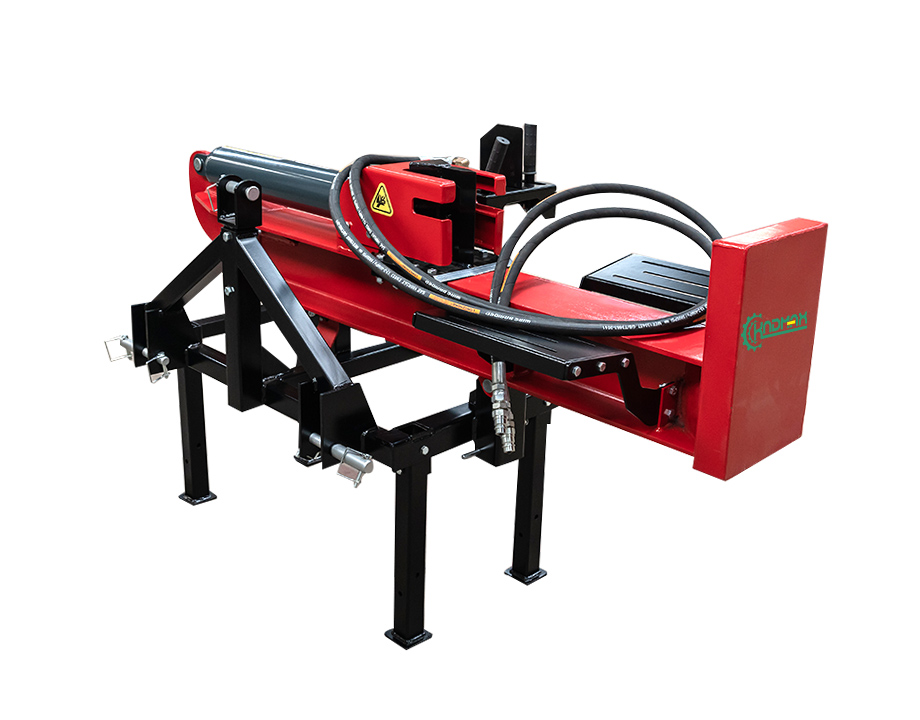
As a professional-grade wood processing machine, the core value of the heavy-duty log splitter lies in its ability to meet the demands of high-intensity, commercial-scale operations, completely overcoming the performance limitations of household log splitters. In the commercial firewood production sector, these machines can process over 20 bundles of wood per day, effortlessly handling the fiber clumping issues associated with dense hardwoods like oak and hickory. Their continuously operating hydraulic systems can sustain peak production during busy seasons without interruption—this directly reduces the marginal cost per bundle of wood, converting production efficiency into quantifiable profit gains. For forestry management contractors, heavy-duty wood splitters are not only efficiency engines for clearing storm-damaged wood and diseased forest land but can also on-site decompose logging residues with diameters exceeding 60 centimeters, transforming traditional waste materials that require paid disposal into saleable firewood resources. This enables contractors to complete land clearance tasks while opening additional revenue streams.
For large-scale farmers managing over 50 acres of land, equipment with a splitting force exceeding 30 tons can process over 100 acres of fallen timber annually, providing low-cost heating solutions for multiple agricultural facilities; its industrial-grade structural design (such as torsion-resistant I-beam frames) ensures continuous stable operation under harsh conditions like dampness and extreme cold. Within the wood processing supply chain, such equipment efficiently converts sawmill waste and twisted, deformed logs, serving both as pre-treatment for drying kilns and re-engineering traditional waste scraps into biomass energy commodities. Municipal authorities utilize it to maintain park green spaces while converting community pruning waste into public heating fuel, aligning with modern municipal sustainable operations objectives.
Notably, the emerging bioenergy industry deeply leverages these machines: the standardized wood produced by heavy-duty log splitters serves as an ideal fuel for industrial boilers, converting low-value wood into high-calorific renewable energy. Their four-second cycle splitting speed perfectly aligns with the continuous feeding rhythm of production lines. The necessity of using true industrial-grade equipment in these specialized scenarios stems from three core features: heat-treated high-carbon steel axe blades maintain long-lasting sharpness; a hydraulic system enabling continuous operation without cooling downtime; and a standard splitting frequency of 15 times per minute, capable of sustaining over a thousand operations per day. When dealing with frozen hardwood, fiber-entangled logs, or materials exceeding standard diameters, heavy-duty log splitters have evolved from production tools into core assets generating revenue.

"For years, I battled with an axe, wrecking my shoulders just to heat our home. This wood splitter changed everything. What used to take me an exhausting weekend now gets done in a single morning. Splits logs I’d normally avoid as 'too knotty' with surprising ease. The safety is a huge peace of mind compared to swinging an axe while tired. Best purchase I made for the homestead."

"Retired and still heat primarily with wood, but my energy isn't what it used to be. This machine lets me stay independent! The hydraulic action is smooth and requires minimal effort from me. I appreciate how stable it is on uneven ground near my woodpile. Splits cleanly, so less kindling needed. My grandkids even help now – safely! Total game-changer."
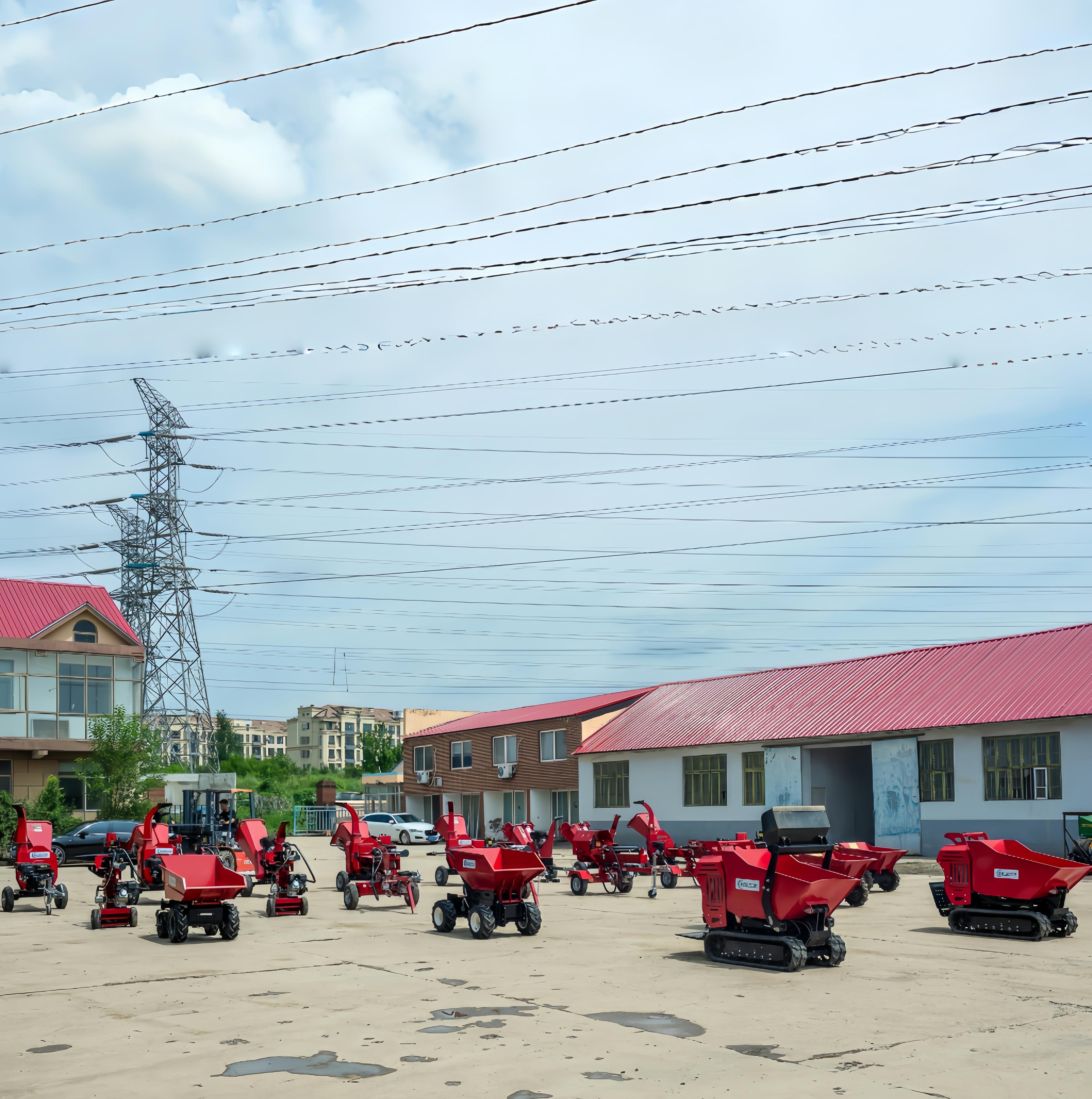

KNDMAX is your ideal manufacturer of log splitter and wood chipper and dumper for your garden.
No.1003 Yanjialing Industrial Park, Jimo District, Qingdao, Shandong Province, China
Copyright © Qingdao Kndmax Machinery Co., Ltd. All Rights Reserved
 EN
EN